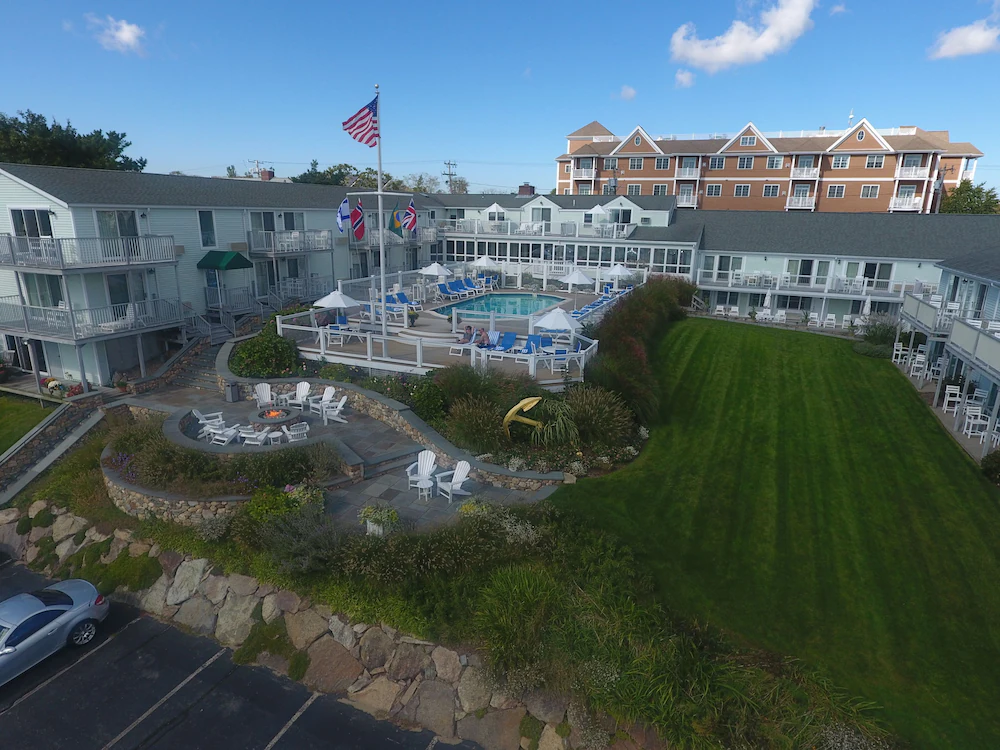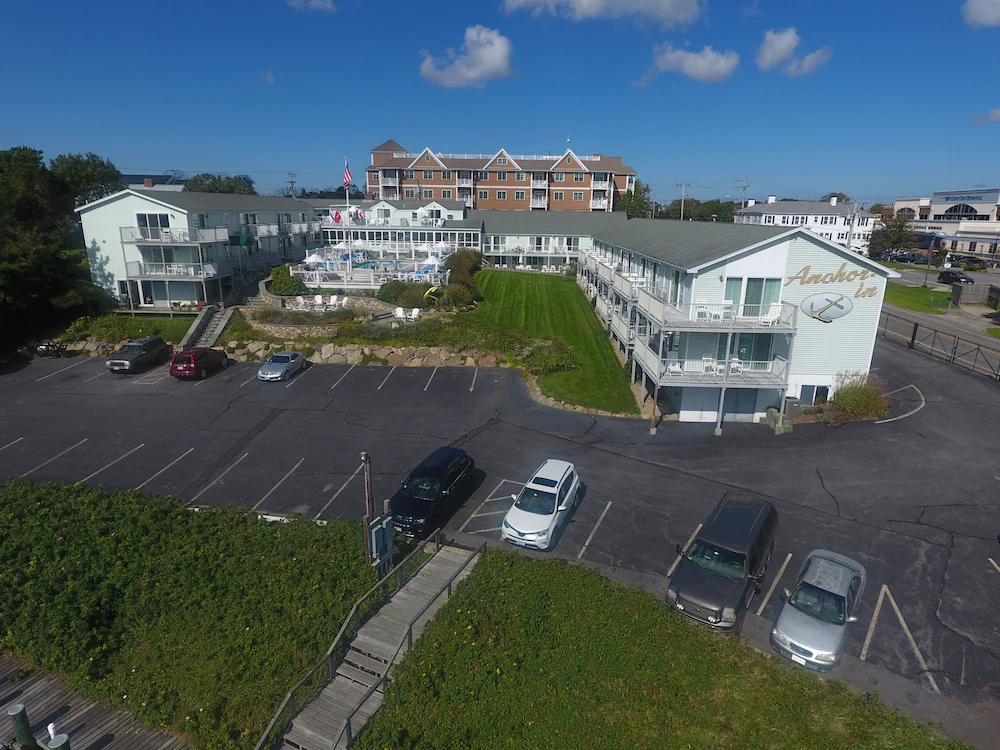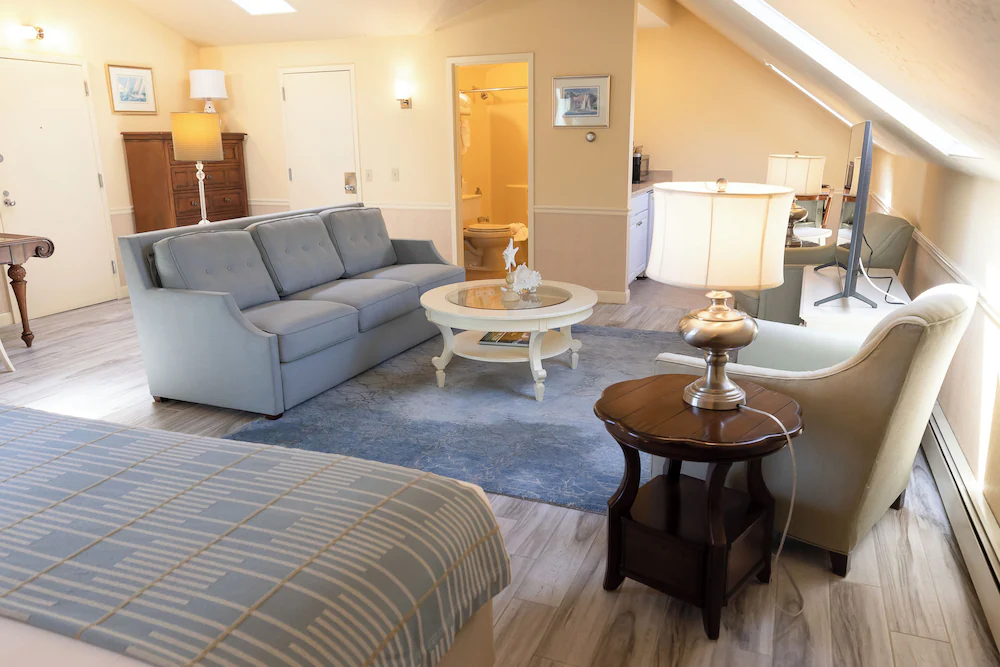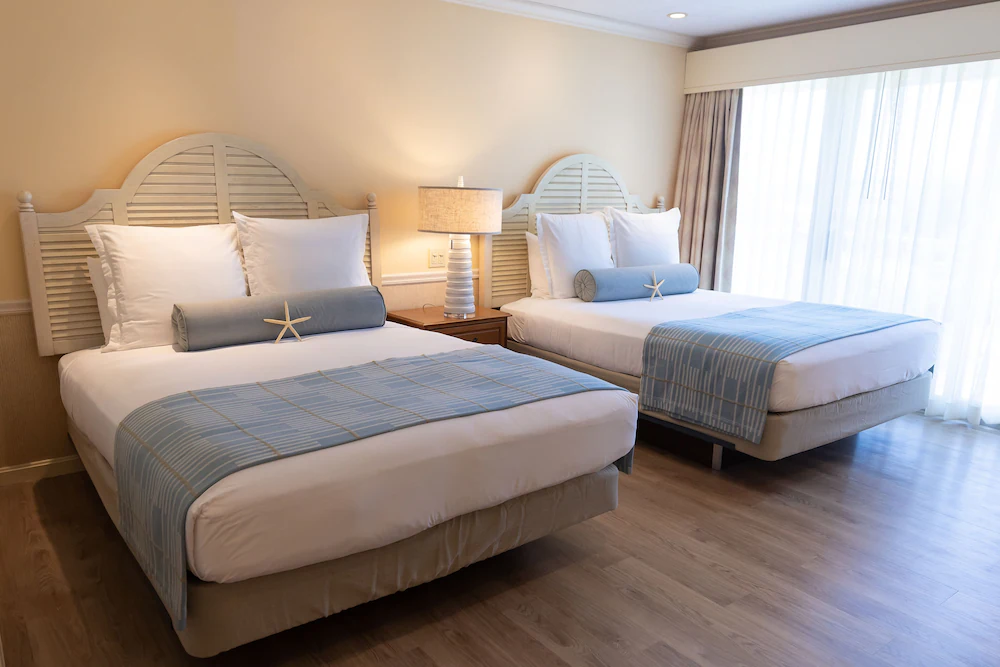

First priority with Anchor In on Cape Cod is treating it like a controlled staging point, not a casual vacation check-in. For groups of 15 to 50+ people, this property works best when you run it with a roster, assigned roles, and a clear arrival window, because the speed of intake is what keeps your trip on track.
Next, I build the block around how the group actually operates. Crews and project teams usually want easy in and out access, predictable parking, and a layout where people are not wandering for ten minutes to find their door. Anchor In is a smaller Hyannis-area hotel choice, so capacity planning is less about sprawling meeting floors and more about room adjacency, quiet placement for early departures, and making sure the front desk is not solving problems that should have been settled in advance.
Third, I map the room allocation by function instead of titles. Leads and drivers get single-occupancy rooms so they can rest and handle early starts. Teammates who are fine sharing are paired intentionally, using shift times and noise tolerance rather than guessing. For 15–25 travelers, you can usually keep everyone in a tight cluster. For 30–50+, I plan for multiple waves and assign a buffer of rooms for late adds, role changes, or unexpected extensions.
Then comes the check-in plan, which I treat like an intake line with a friendly tone. I send the property a finalized name roster ahead of arrival, including full legal names and a short note list that is actually actionable. I also flag which two people are authorized to request room swaps, extend stays, or resolve key issues. Everyone else gets one instruction: show ID, pick up key, go to room. That single rule prevents the front desk from getting pulled into fifteen separate side conversations.
After that, I control the arrival flow so the lobby does not fill up with tired travelers holding phones. I stagger arrivals in 20 to 30 minute windows and group people by vehicle. The first wave is the onsite lead plus a small set of travelers who can handle any surprises without slowing the rest. The middle waves are the bulk of the group, already briefed on the process. The final wave is late arrivals and anyone with special placement needs, because those are the people most likely to require a longer conversation.
Equally important is how you handle incidentals, because that is where group travel turns into friction. I plan the stay so workers are not asked to use personal cards for incidental holds at the desk. Engine.com’s Incidental Coverage supports that approach by removing the need for individual travelers to put down personal payment methods for incidental authorizations. Operationally, that does three things: it speeds up check-in, it keeps personal spending separate from company travel, and it eliminates the “I do not have a credit card” bottleneck that can stall an entire crew.
Also, I set expectations before anyone arrives. I send a short arrival memo that covers ID requirements, quiet hours, parking guidance, and who to contact for changes. If you wait until check-in to explain rules, you are asking the front desk to deliver your policy, and you will get inconsistent results. When the group arrives already briefed, the property staff can focus on keys and directions instead of troubleshooting.
Meanwhile, daily operations are easiest when you define a routine. Morning departures run smoother if you tell people where the quickest coffee and breakfast options are, what time the group meets, and where vehicles stage. Evening returns are less chaotic when you specify a parking plan and a simple regrouping spot for quick updates. For longer assignments, I also create a laundry and supplies rhythm so travelers are not individually improvising, which reduces downtime and last-minute requests.
Finally, checkout is where I protect the back office. I build a departure roster with planned checkout dates, confirm which rooms are extending, and set a hard deadline for reporting issues so they can be handled while people are still onsite. If the group disperses before folios are reviewed, you are stuck fixing billing and incidentals after the fact. With Engine.com supporting booking and billing structure, plus Incidental Coverage in place, the goal is clean separation of charges and a clear reconciliation path.
Key hotel features and amenities
-
A straightforward property footprint that supports coordinated arrivals when you schedule intake windows
-
Front desk check-in that can move quickly when the name roster is delivered in advance
-
Parking that supports multi-vehicle groups and carpools, with a plan to avoid congestion at peak arrival times
-
Common areas that can serve as a brief staging point for key pickup, regrouping, or driver coordination
-
Wi-Fi suitable for day-to-day communication, scheduling updates, and basic work needs
-
A practical stay setup that works well for teams who prioritize efficiency over formal event programming
Features of interest to group travelers
-
Block planning for 15–25 travelers using clustered assignments and a small buffer for adds and changes
-
Scaled arrival management for 30–50+ travelers using staggered check-in waves and vehicle-based grouping
-
One primary onsite lead and one backup lead designated for room changes, extensions, and exceptions
-
Pre-arrival roster delivery to reduce desk time per person and minimize name-matching issues
-
Key handling strategy that prevents bottlenecks, including pre-labeled packets when the property can accommodate it
-
Parking guidance for vans and work trucks, plus a routing note so drivers know where to stage during peak times
-
Engine.com support for coordinating the room block and billing structure across a large roster
-
Engine.com Incidental Coverage to remove the need for workers to use personal cards for incidental holds, keeping check-in consistent and reducing delays
-
Checkout controls built around a departure list, planned extensions, and early review of folios to avoid post-trip cleanup
Points of interest and attractions within a 2–3 mile radius
-
Main Street Hyannis for quick dining choices, coffee stops, and walkable errand runs
-
Hyannis Harbor for ferry-related schedules, waterfront access, and general navigation landmarks
-
Hyannis Transportation Center for bus connections and arrivals that are not tied to personal vehicles
-
John F. Kennedy Hyannis Museum as a recognizable local landmark for downtime visits
-
Cape Cod Melody Tent for scheduled events and evening plans when the group has time off
-
Kalmus Beach for an easy outdoor reset between long workdays
-
Cape Cod Mall area for retail supplies, basic shopping, and practical pickups
-
Barnstable Municipal Airport area for quick transfers and short-notice arrivals
When I run a large room block at Anchor In, the outcome I want is boring in the best way: nobody is hunting for instructions, nobody is delayed by incidental card requirements, and the front desk is not being asked to manage internal group decisions. With a structured roster, controlled arrival windows, and Engine.com’s Incidental Coverage removing personal cards from the check-in equation, the property becomes a reliable base for a crew or team that needs sleep, speed, and a clear process.