
Group Booking Rates & Corporate Lodging
Group Booking Rates & Corporate Lodging
Beacon Grand
450 Powell St, San Francisco, CA 94102, USA
Login to view our current rates & availability




Accommodation Information
Built as one of San Francisco’s classic Union Square hotels, Beacon Grand Hotel San Francisco leans into historic architecture, a dramatic lobby, and a central address that keeps downtown schedules simple. The building sits at Powell and Sutter, with the cable car line passing right out front, which is useful for groups that need an easy landmark for meetups and a clear route to the Moscone and Financial District corridors.
Inside, the hotel plays to a boutique-luxury feel with renovated guestrooms while keeping the bones of the original property. Inventory totals 418 guestrooms and suites, including a small set of suites, so large blocks are achievable when you plan for room types early and lock the roster. Room sizes vary, which is typical for older high-rise hotels in this part of the city, so I usually place single-occupancy leaders and early-start roles first, then fill remaining doubles and kings based on shift patterns and who can tolerate a tighter footprint.
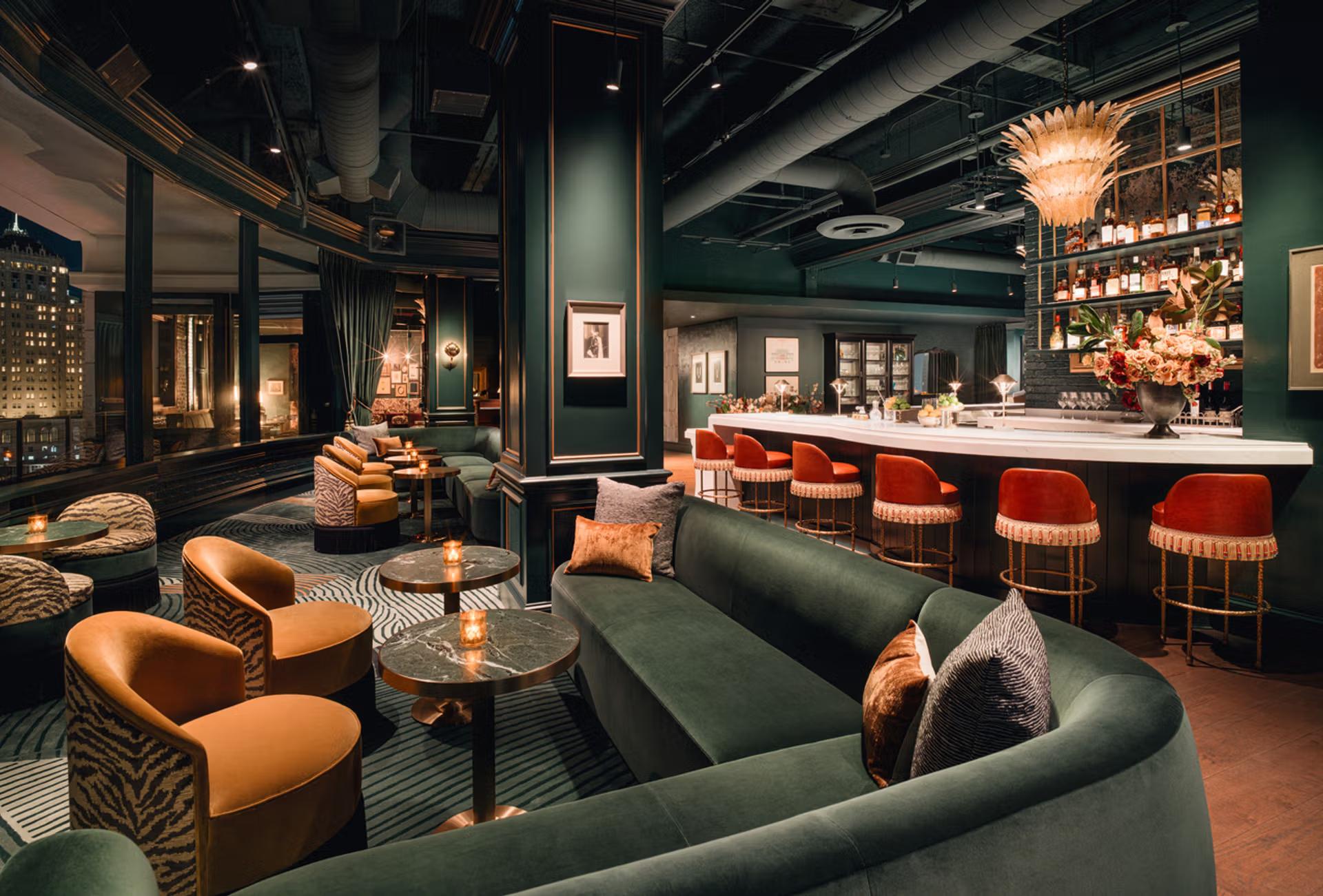
Above the street level, the property’s social center is its rooftop lounge, Starlite, set high on the 21st floor. For planners, this matters because it gives groups a built-in venue for a controlled “end of day” reset that does not require transportation. If you are coordinating a team with staggered returns, it can also function as a predictable rally point, as long as you set expectations on timing and noise so it stays optional and does not become a nightly requirement.
For meetings and structured gatherings, Beacon Grand has real capacity by downtown standards: roughly 17,000 square feet of flexible event space across 16 meeting rooms, with breakout options that support trainings, leadership sessions, and multi-track agendas. That footprint works well for corporate offsites, association groups, and wedding-related programming that needs both formal rooms and in-between space for registration, run-of-show updates, and vendor coordination.
When running a 15 to 50+ person room block, the check-in plan should be designed around flow, not hope. I send a finalized rooming list in advance with full legal names, arrival dates, and planned checkout dates, plus only the notes that change placement, such as accessibility needs or quiet placement for early risers. Two onsite contacts are assigned, one primary and one backup, and they are the only people allowed to request swaps, extensions, or exceptions. Arrivals are then staged in short windows by pod, grouped by flight, shift, or vehicle, which prevents a lobby pileup and keeps the front desk focused on processing keys rather than troubleshooting internal group changes.
Billing is where large arrivals often stall, particularly in cities where travelers are already dealing with transit, parking, and long days. Engine.com’s Incidental Coverage is the clean solution for keeping workers from needing to use personal cards for incidental authorizations at check-in. With coverage in place, the intake line moves faster, exceptions are reduced, and personal funds stay out of the workflow. On the back-office side, that also cuts down on reimbursement noise after the stay, because you are not untangling individual holds and explaining why deposits are still pending days later.
During the stay, the easiest way to keep a downtown block calm is to set a simple rhythm and stick to it. One daily update window, one default meet point, and a rule that questions go to pod leads first will reduce repeated desk calls and keep the group from scattering across the neighborhood without a plan. For departures, maintain a live checkout roster, confirm extensions at least two days before planned checkout, and set a hard deadline for reporting room issues while travelers are still onsite, since that is when fixes are fastest.
Key hotel features and amenities
-
418 guestrooms and suites in a historic Union Square high-rise
-
Rooftop lounge on the 21st floor for controlled group downtime
-
Renovated guestrooms with a classic downtown hotel layout, with room sizes that vary by type
-
Filtered water stations on guest floors and reusable water bottles provided in-room
-
Fitness studio access for multi-day routines
-
Event footprint of about 17,000 square feet across 16 meeting rooms, with breakout options
-
Central location at Powell and Sutter with immediate cable car access
Points of interest and attractions within a 2–3 mile radius
-
Union Square shopping and dining corridor
-
Chinatown gates and the core Chinatown restaurant blocks
-
The Theatre District venues along Geary and nearby streets
-
Moscone Center and the Yerba Buena area
-
San Francisco Museum of Modern Art
-
Ferry Building and the Embarcadero waterfront promenade
-
Oracle Park area for event nights and game schedules
-
Fisherman’s Wharf and the Pier 39 corridor
-
Civic Center cultural venues, including the opera and symphony halls
Features of interest to group travelers
-
Block strategy that scales from 15 to 50+ by splitting travelers into pods with one lead per 8–15 people
-
Staggered arrival windows to reduce lobby congestion and elevator bottlenecks
-
Pre-submitted rooming list using full legal names to reduce check-in delays and name-matching issues
-
Two-lead escalation model, one primary onsite contact and one backup, limiting who can request changes
-
Meeting space capacity for trainings, leadership sessions, registration, and multi-track agendas
-
Rooftop lounge option that works as a scheduled, optional regroup point without leaving the building
-
Downtown movement plan that supports transit-heavy itineraries with clear meet points and time-boxed check-ins
-
Engine.com Incidental Coverage so travelers do not need personal cards for incidental holds, improving check-in speed and consistency
-
Checkout controls built around a departure roster, planned extensions confirmed early, and issue reporting deadlines to minimize post-stay cleanup
Lodging Location

 Hotel Embarcadero
What is there more kindly than the feeling between host and guest?
- Login