
Group Booking Rates & Corporate Lodging
Group Booking Rates & Corporate Lodging
Marriott Resort on Sand Key
1201 Gulf Blvd, Clearwater, FL 33767, USA
Login to view our current rates & availability












Accommodation Information
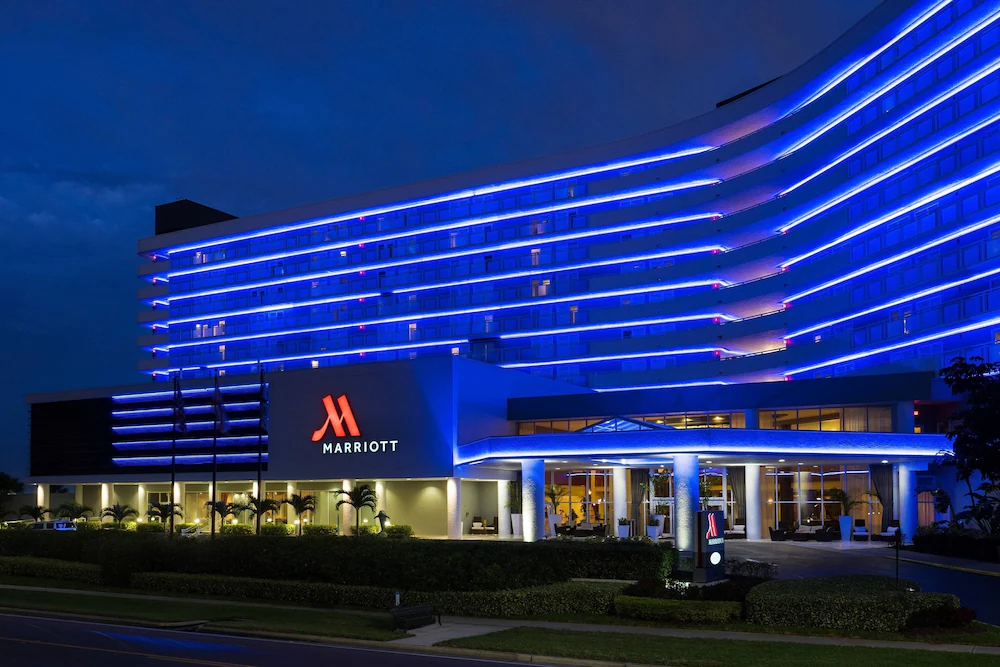
Clearwater Beach Marriott Resort on Sand Key works best for large groups when you treat it as a controlled housing operation on a beach resort campus, not a casual weekend stay. The property’s biggest advantage is that it can support a high headcount while still giving travelers enough onsite outlets, dining, and downtime space to avoid everyone piling into the same lobby corner at the same time.
Group capacity planning starts with how you split the roster into pods that move together. A 15–25 person block can often run as a single cluster with one arrival wave and one point of contact. A 30–50+ block needs structure, because a resort lobby can bottleneck fast when multiple vehicles arrive at once, especially with luggage, beach gear, and people asking basic navigation questions. The objective is to reduce decision-making at the desk and keep the property staff focused on keys and directions.
Capacity control also means building a room assignment strategy that matches your group’s reality. Leads, drivers, and anyone managing early starts usually belong in single-occupancy rooms so they can rest and handle schedule changes without disrupting a roommate. Shared rooms, if used, should be paired by shift timing and noise tolerance, not convenience. A small buffer should be held whenever possible, because large rosters are never static, one person extends, another checks out early, and someone gets added with short notice.
Arrival flow is the first major test, and it is where coordinators either look organized or spend the night taking calls. A finalized rooming list should be delivered in advance with full legal names, planned checkout dates, and any placement notes that actually matter. Two onsite contacts should be named, one primary and one backup, and they should be the only people authorized to request swaps, extensions, or exceptions. Everyone else follows one script: arrive in your assigned window, show ID, pick up keys, go to room. That keeps the front desk from being pulled into internal group decisions.
Billing is the second pressure point, because incidental holds are where check-in lines stall, especially at a resort where travelers may charge meals, drinks, or small on-property purchases. Engine.com’s Incidental Coverage is how you prevent the desk from asking every worker to use a personal card for incidental authorizations. With coverage set up for the booking, you can keep personal payment out of the process, keep the line moving, and reduce the post-stay headache of reimbursements and questions about why money was held after checkout.
Daily routines should be standardized early so the group does not drift into chaos. A resort naturally invites people to split off, eat at different times, and return at different hours, which can create constant coordination noise. One daily update window, one consistent regroup point, and a written plan for meals and departure timing will cut that noise down fast. If the stay is work-driven, the routine should prioritize predictable mornings and quiet evenings. If the stay is event-driven, the routine should prioritize scheduled gathering times and clear wayfinding.
Parking and vehicle movement need a written plan before anyone arrives. Resorts can have controlled lots, valet patterns, and peak congestion during check-in windows. A simple parking memo should spell out where first-night staging happens, how carpools are assigned, and who is responsible for vehicle keys if drivers rotate. When vans or larger vehicles are involved, the lead should communicate those needs early so there is no improvising at the curb.
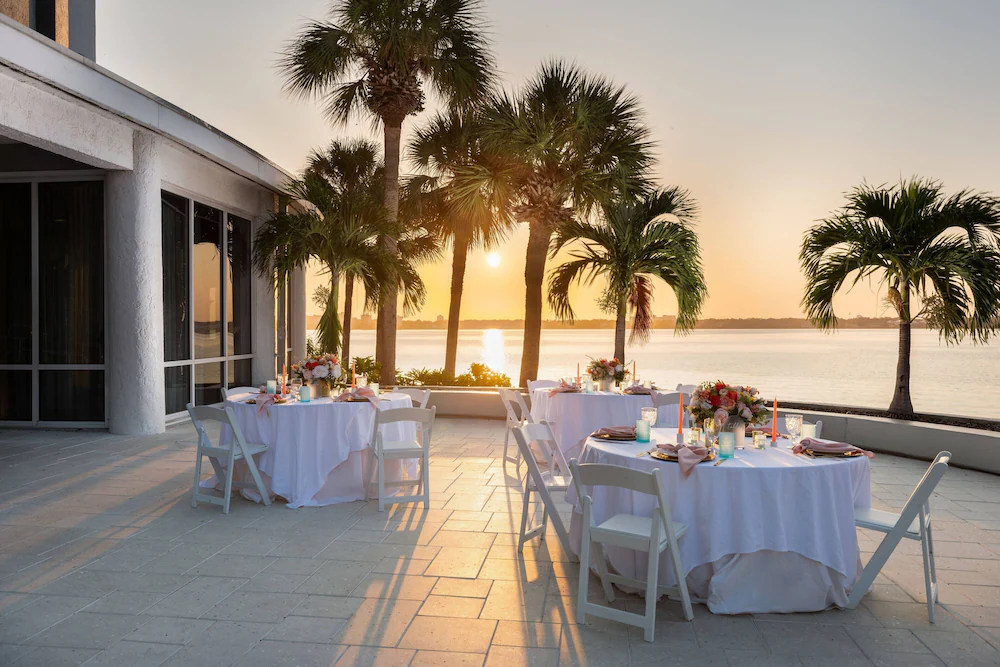
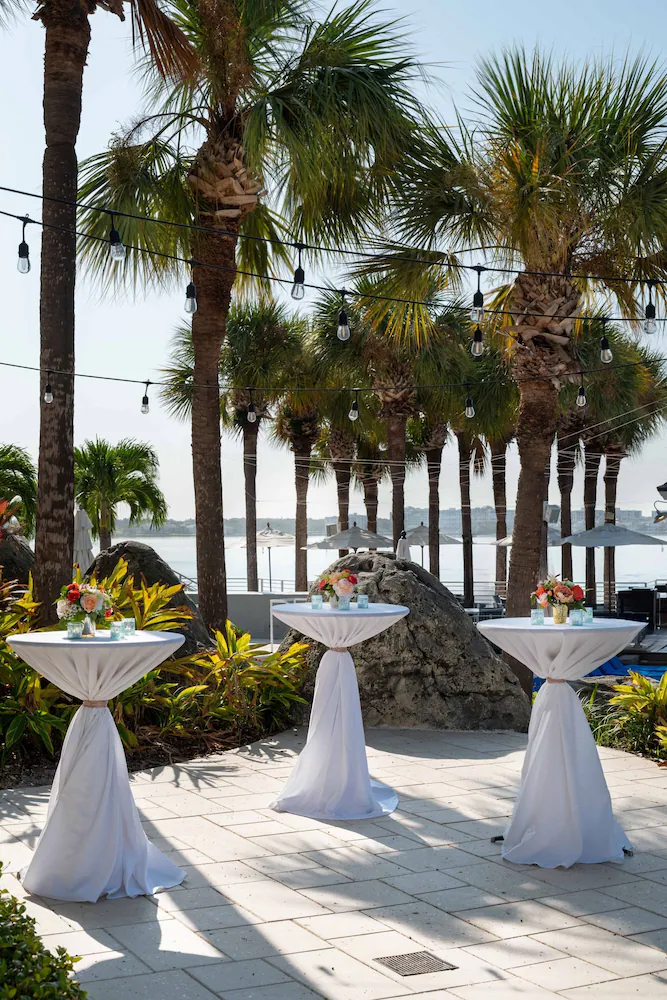
Meeting and coordination space should be treated as a reserved resource, not a hope. A resort property often has multiple space types available, including indoor rooms and outdoor areas that can support briefings, wedding group coordination, or quick training blocks. If your group needs a closed door for morning huddles, reserve it in advance and keep it tight. If you only need short updates, choose a defined common area and set a rule that meetings end on time so shared spaces are not taken over by one roster.
Checkout is where you protect the back office from surprises. A departure roster should be maintained throughout the stay, with extensions confirmed at least two days before planned checkout. A hard deadline for issue reporting should be communicated so travelers flag problems while they are still onsite. Folio issues are easier to resolve when staff can verify details in real time, and a disciplined checkout plan prevents the coordinator from doing cleanup after the group has already moved on.
Key hotel features and amenities
-
Full-service resort operations that can support higher guest volume when arrivals are scheduled and rosters are clean
-
Multiple onsite food and beverage options that help groups manage mixed schedules without offsite coordination
-
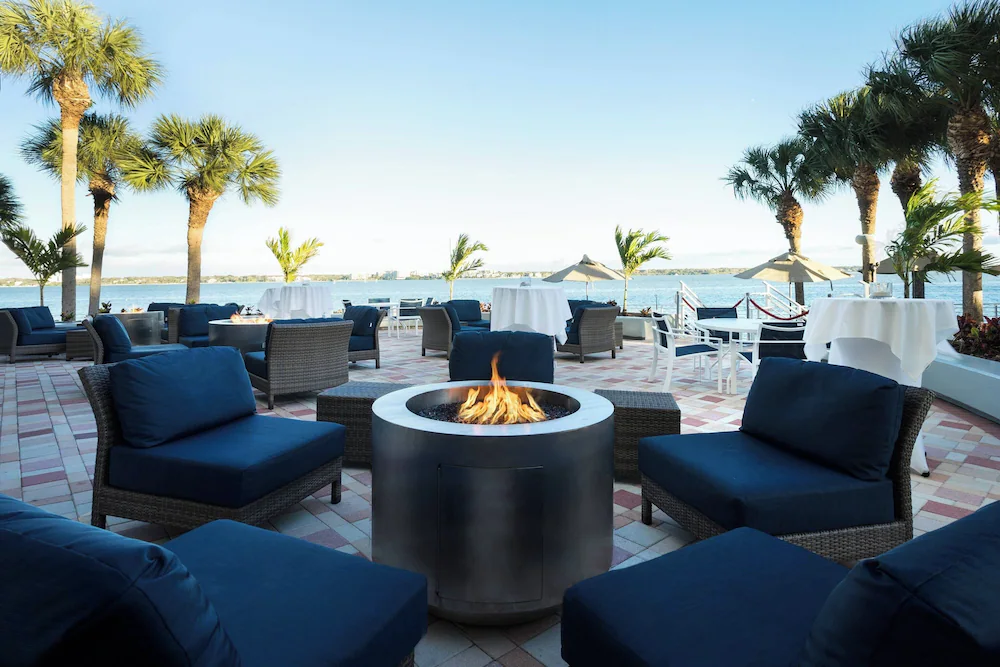
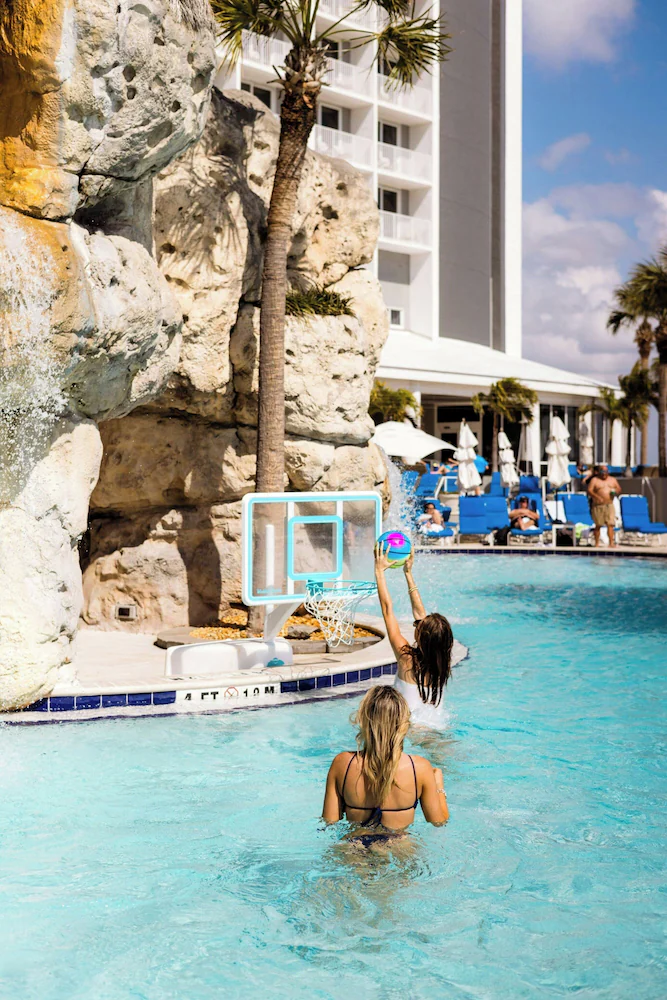
Pool and beach-adjacent downtime areas that give travelers space to decompress outside their rooms
-
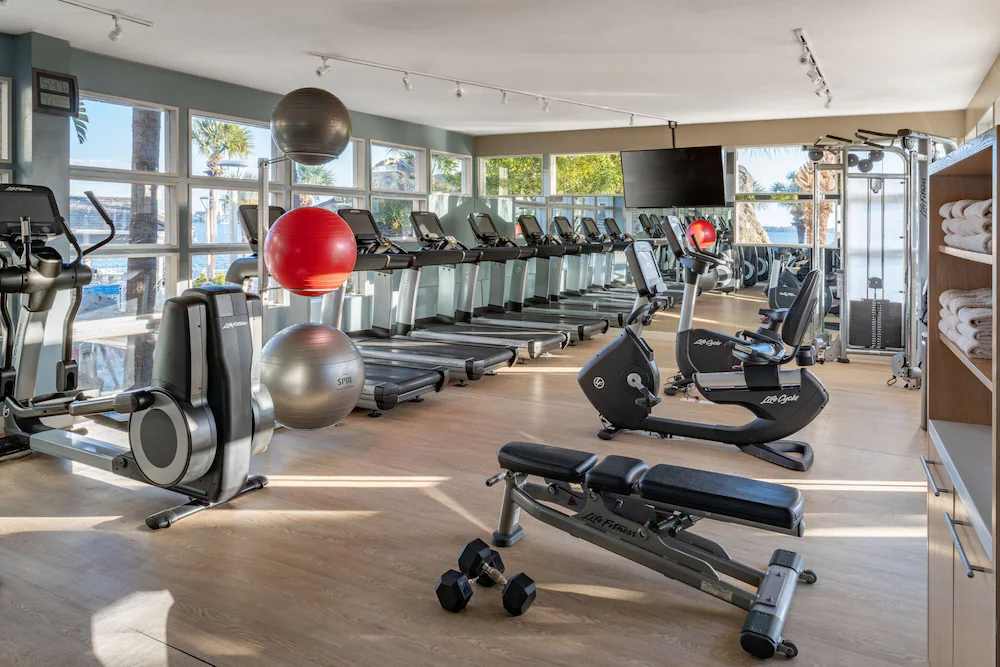
Fitness access that supports longer stays and recovery routines between long days
-
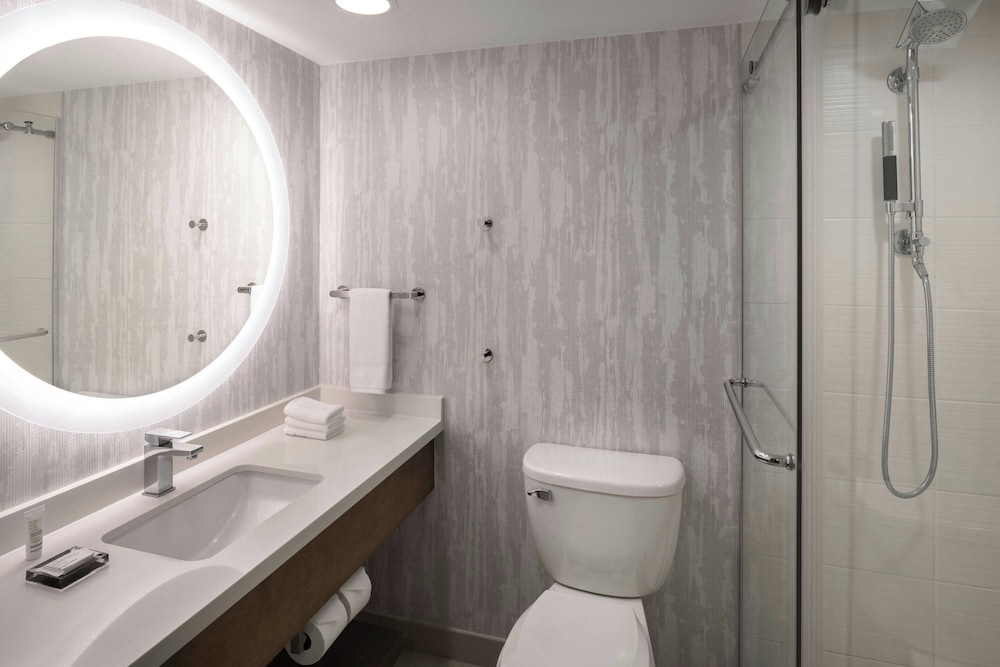
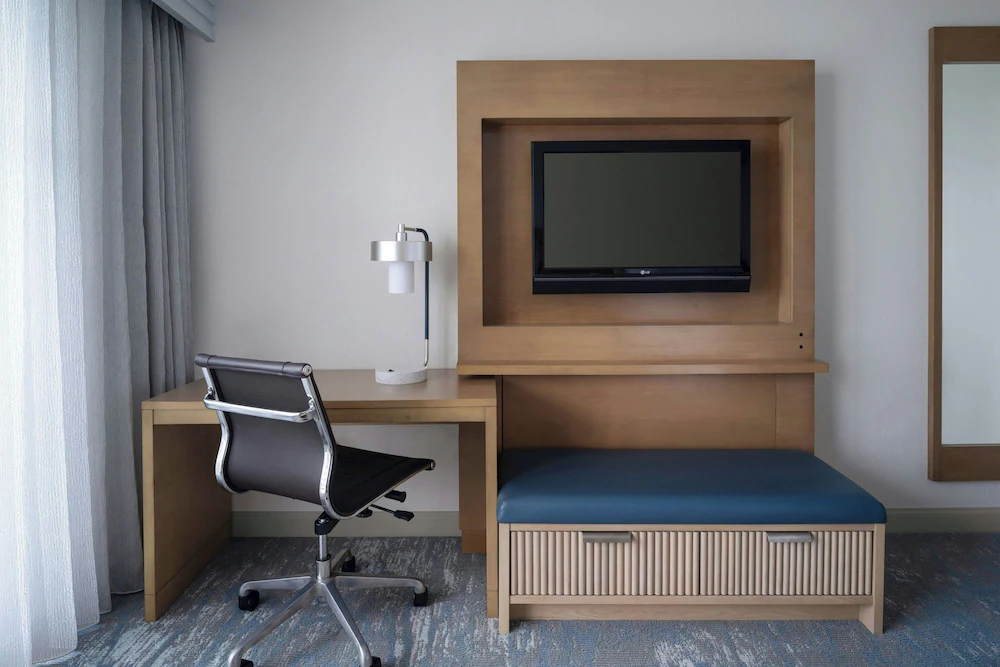
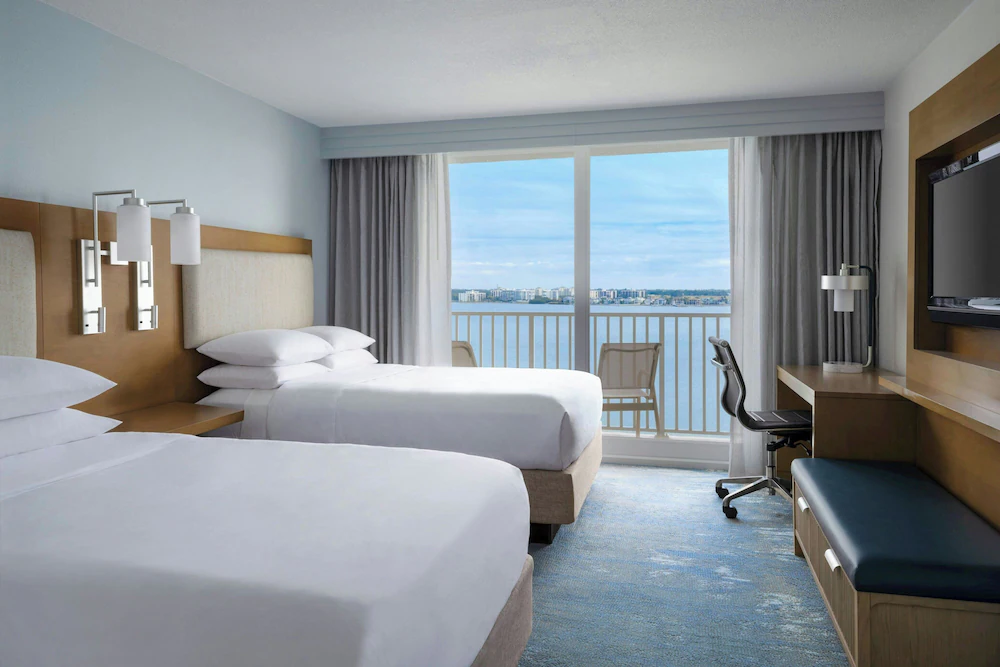
Guest room layouts suited to multi-day stays, with predictable storage and practical daily flow
-
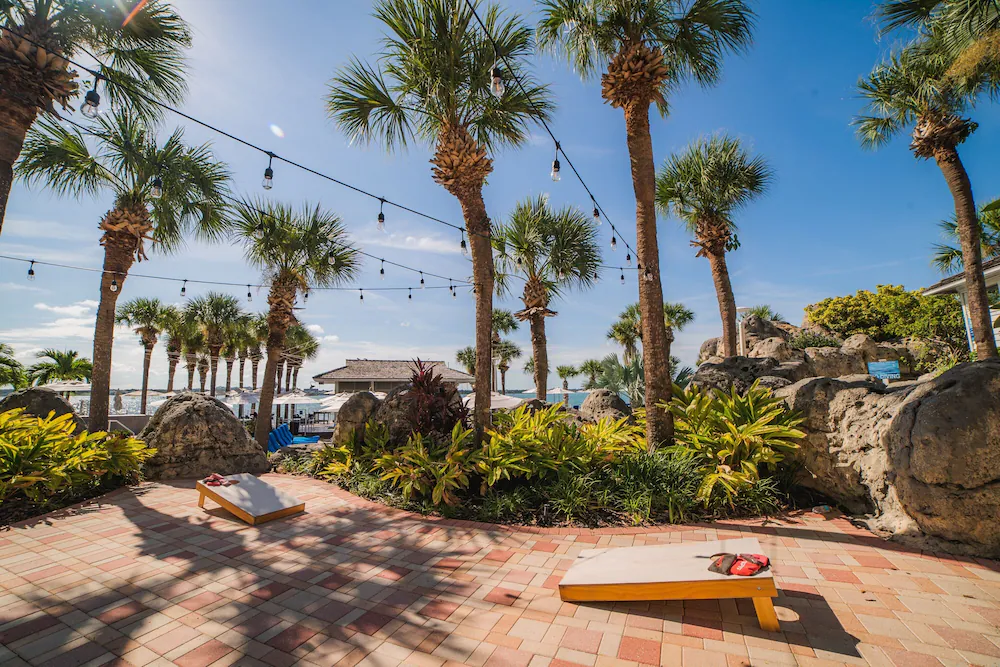
Common areas that can serve as controlled regroup points for short updates, driver coordination, or staging
-
Meeting and event space options that can support planned briefings or group sessions when reserved ahead
Points of interest and attractions within a 2–3 mile radius
-
Sand Key Park for walking routes, outdoor breaks, and a clear local navigation landmark
-
Clearwater Beach (Pier 60 area) for scheduled group meetups near the main beach activity zone
-
Clearwater Marine Aquarium for a structured off-hours outing that works well for mixed-age groups
-
Marina and waterside activity areas near the Clearwater Beach corridor for boat tours and group activities
-
Grocery and convenience shopping corridors for stocking water, snacks, and breakfast basics
-
Pharmacy stops for routine travel needs, prescriptions, and last-minute essentials
-
Quick-service dining clusters for late returns when sit-down timing is not realistic
Features of interest to group travelers
-
Block strategy that scales from 15 to 50+ by clustering travelers into pods with one lead per pod
-
Controlled intake using staggered arrival windows, grouped by vehicle, team, or shift to prevent lobby backups
-
Pre-submitted rooming list using full legal names to reduce desk time and avoid name-matching delays
-
Two-lead escalation model, one primary onsite contact and one backup, limiting who can request changes
-
Parking guidance for carpools and larger vehicles, including a first-night staging plan to avoid curb congestion
-
Meal timing plan that reduces morning drift and prevents everyone hitting the same outlet at once
-
Reserved space approach for briefings and huddles, with a fallback plan using defined common areas
-
Engine.com Incidental Coverage so workers do not need personal cards for incidental holds, improving check-in speed and consistency
-
Checkout controls built around a departure roster, planned extensions, and early issue reporting to minimize post-stay cleanup
Lodging Location

 Pier House 60
What is there more kindly than the feeling between host and guest?
- Login