
Group Booking Rates & Corporate Lodging
Group Booking Rates & Corporate Lodging
Coconut Cove
678 S Gulfview Blvd, Clearwater Beach, FL 33767, USA
Login to view our current rates & availability
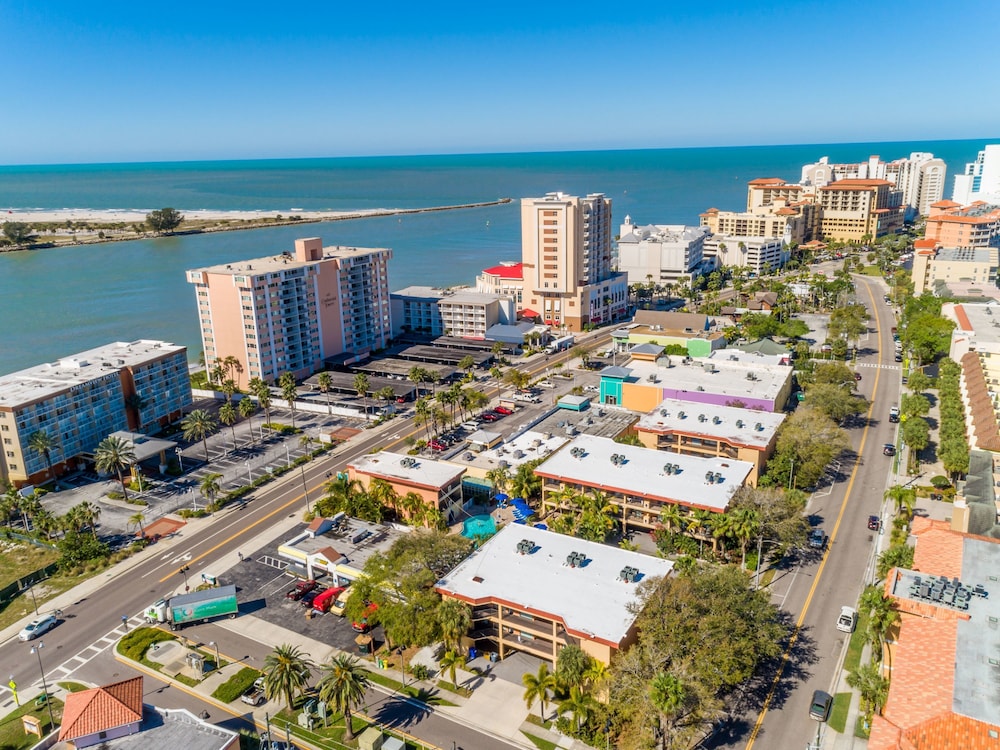

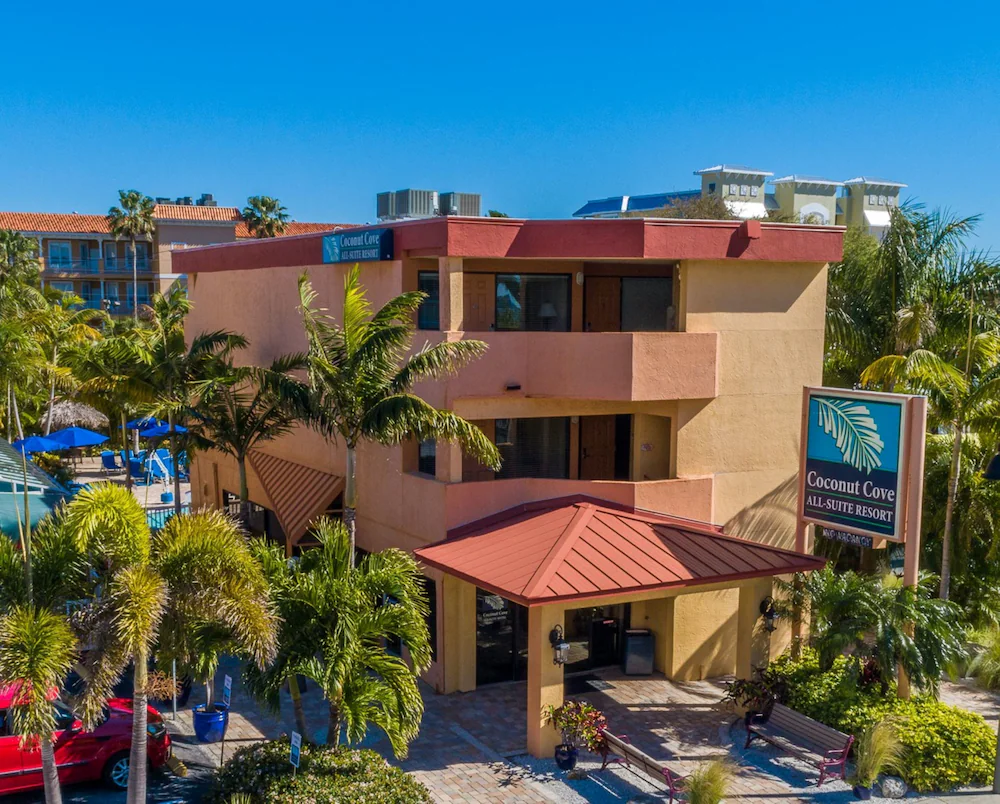


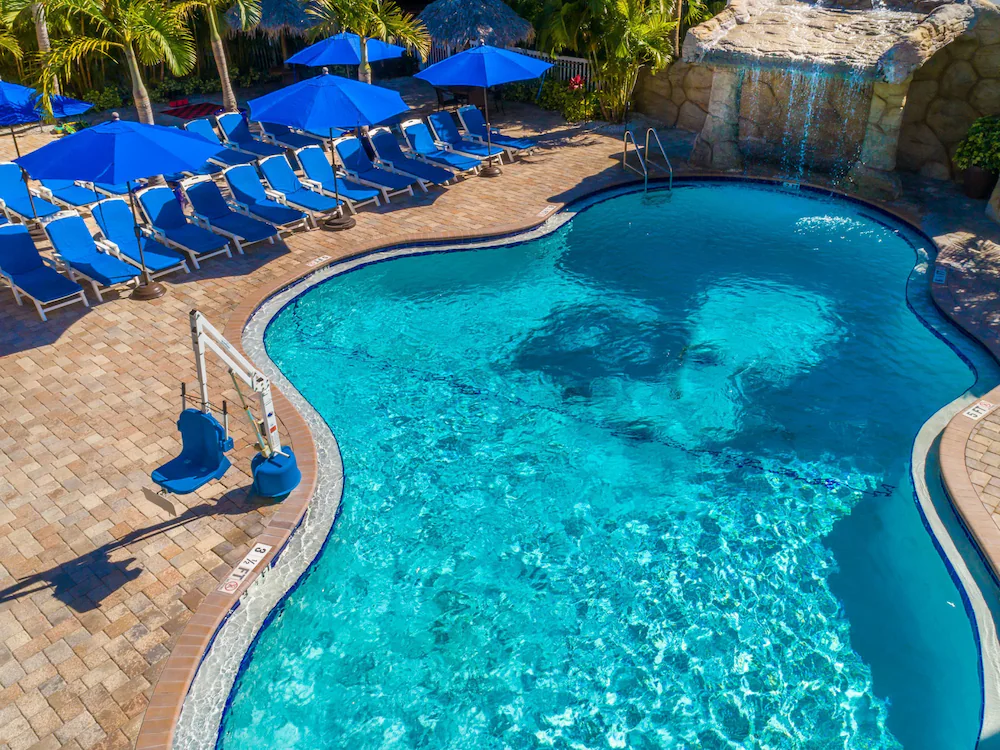


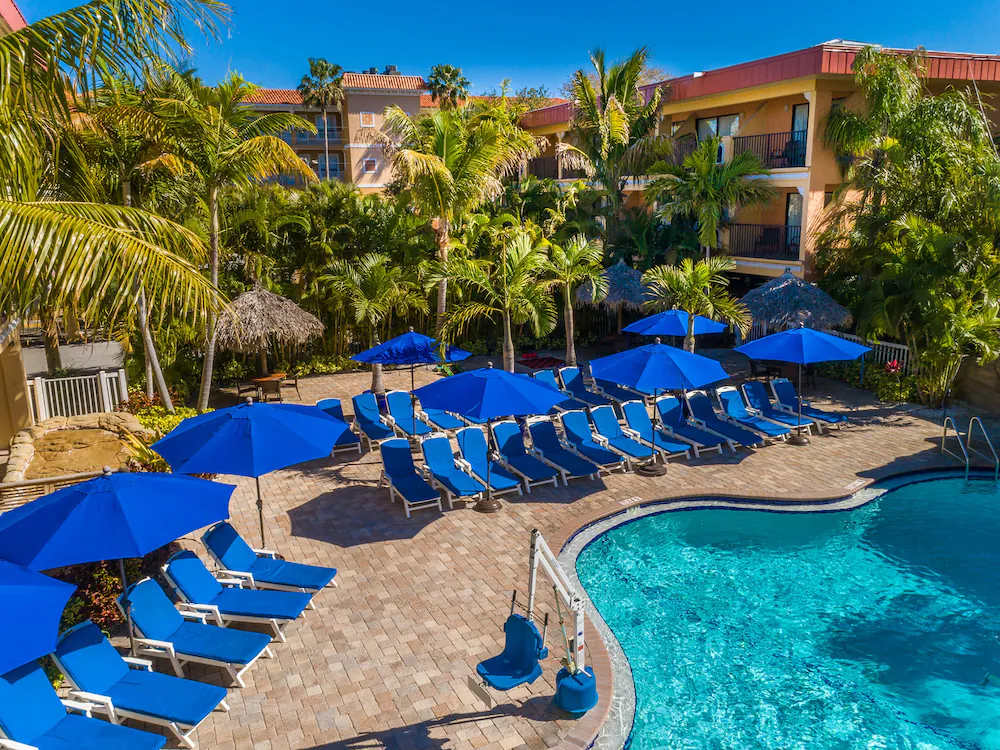

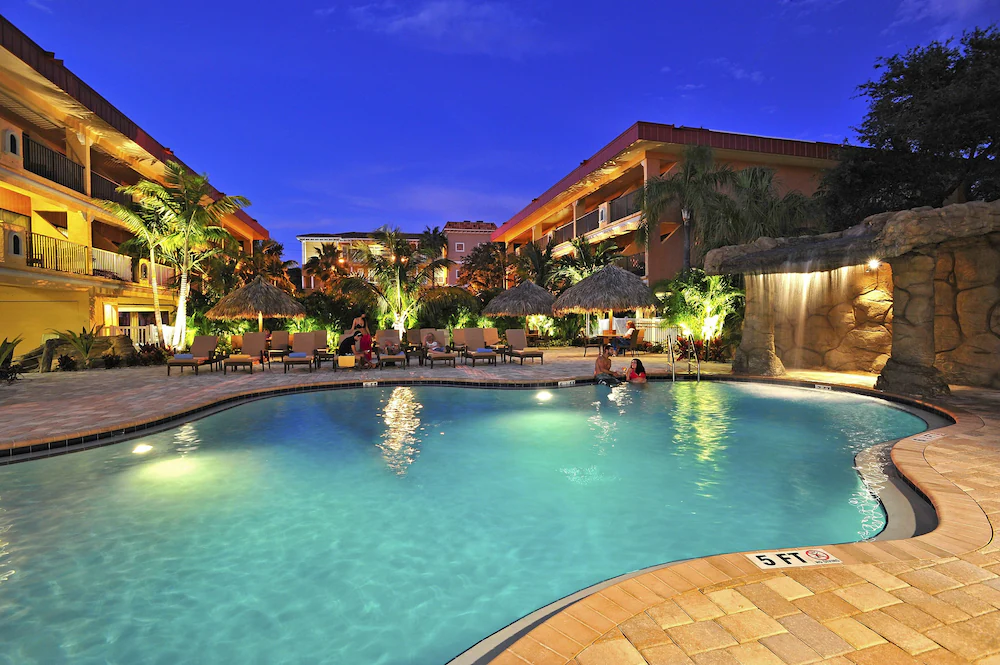
Accommodation Information
Coconut Cove All-Suite Hotel is easiest to manage as a suite-based housing plan for people who need more than a bed and a hallway. The all-suite setup matters for groups because it gives you extra space per reservation, which reduces the pressure on shared common areas and lowers the number of “where do we take this call” or “where do we eat” issues that show up once everyone is onsite. For a coordinator, the value is control: clearer room assignments, fewer noise complaints, and fewer last-minute requests to reshuffle roommates because the layout feels cramped.
For groups of 15 to 25, the block plan is usually about clustering, keeping teams close to each other, and setting a simple arrival script that the front desk can run without interruptions. Suite hotels are helpful here because you can place small pods of travelers in the same section and reduce cross-building wandering. I also build a buffer into the block whenever possible, because the real roster is never the first roster. One person extends, another departs early, and someone gets added because a jobsite schedule changes.
When the headcount pushes into the 30 to 50+ range, the plan shifts from proximity to flow. You are no longer managing a group, you are managing a process. I set arrival waves, usually grouped by vehicle or by shift. The first wave is your onsite lead plus a small set of travelers who can adapt if something is off. The middle waves are the bulk of the group, which should move quickly if the roster is clean. The final wave is late arrivals and anyone with special placement needs. That sequencing keeps the lobby from turning into a waiting room filled with luggage and questions.
Because check-in is the most common failure point, I treat it like an intake line with guardrails. A finalized rooming list goes to the property ahead of time with full legal names, planned checkout dates, and any notes that affect placement. Two onsite contacts get assigned, one primary and one backup, and they are the only people allowed to request swaps, room changes, or stay extensions. Everyone else has the same instruction: bring ID, pick up key, go straight to the suite. That keeps the front desk from doing the coordinator’s job, and it stops the repeated “can I switch rooms with my coworker” conversations that slow everything down.
Engine.com’s Incidental Coverage is the piece that prevents the desk from asking every worker to use a personal card for incidental holds. That matters more than people expect until you have a tired crew arriving late and the line stalls because someone does not have a credit card available, or does not want personal funds tied up for days. With Incidental Coverage configured for the stay, you can keep check-in consistent across the roster, keep personal payment out of the process, and reduce the back-office cleanup that comes from individual deposits, reimbursement questions, and partial charges.
After everyone is checked in, the suite layout gives you a practical advantage for multi-day stays. People can spread out, store food, and maintain a basic routine without turning the lobby into the default meeting point. I still set one designated regrouping spot for quick updates, but the goal is to keep group coordination short and contained. If you need daily huddles, schedule them at the same time each day and keep them tight. A predictable rhythm reduces noise, reduces late-night hallway traffic, and lowers the number of “I missed the plan” texts that show up at midnight.
Parking and movement need to be addressed early, especially if your group includes vans, trucks, or mixed carpools. I send a written parking note before arrival so drivers know where to stage on the first night and where not to block traffic flow. If the property has tighter parking, I plan a carpool map and a simple rule for who drives each day. That prevents the daily scramble where people are rearranging vehicles while others are trying to sleep.
Checkout is handled like a controlled exit, not an open-ended departure. I keep a departure roster with planned checkout dates, confirm extensions at least two days before they would roll, and set a hard internal deadline for reporting issues while travelers are still onsite. Folio problems are easiest to resolve when the room is still occupied and staff can verify details in real time. The end goal is clean charge routing, fewer disputed incidentals, and no surprise calls after the team has already moved on to the next location.
Key hotel features and amenities
-
All-suite room format that supports longer stays and reduces crowding for groups sharing schedules
-
Suite layouts that typically separate sleeping and living space, which helps with roommate planning and downtime
-
In-room food storage and meal support features that make early starts easier to manage
-
Pool and outdoor space that can serve as a controlled reset area without requiring offsite planning
-
Front desk operations that generally work well with pre-arrival rosters and defined arrival windows
-
Wi-Fi suitable for daily communication, schedule updates, and basic work needs
-
Common areas that can be used for short meetups, driver coordination, or quick briefings
Points of interest and attractions within a 2–3 mile radius
-
Public beach access and shoreline walking routes for downtime between long days
-
Marina and waterfront activity zones that function as clear local landmarks for navigation
-
Grocery stores and convenience markets for stocking water, snacks, and breakfast basics
-
Pharmacy stops for prescriptions, toiletries, and routine travel needs
-
Quick-service dining corridors that can handle volume when the group returns late
-
Fuel stations positioned for easy in-and-out routing for carpools and work vehicles
-
Urgent care or medical clinic options for minor issues that should not derail a work week
-
Hardware and supply shopping options for last-minute tools, materials, or replacements
Features of interest to group travelers
-
Block planning that scales from 15 to 50+ by clustering rooms into pods and assigning one lead per pod
-
Arrival-wave scheduling that prevents lobby backups, especially for late arrivals and multi-vehicle groups
-
Pre-submitted rooming lists using full legal names to reduce desk time and avoid name-matching delays
-
Two-lead escalation model, one primary onsite contact and one backup, limiting who can request changes
-
Parking guidance for vans, trucks, and carpools, including a first-night staging plan to avoid congestion
-
Suite layouts that support shared occupancy planning, including quieter rest patterns for early departures
-
Meeting approach that favors short, scheduled huddles, with a backup plan if dedicated meeting space is limited
-
Engine.com Incidental Coverage so workers do not need personal cards for incidental holds, keeping check-in consistent and faster for large waves
-
Checkout controls using a departure roster, planned extensions, and early issue reporting to reduce post-stay cleanup
Lodging Location

 Belleview Inn
What is there more kindly than the feeling between host and guest?
- Login