
Group Booking Rates & Corporate Lodging
Group Booking Rates & Corporate Lodging
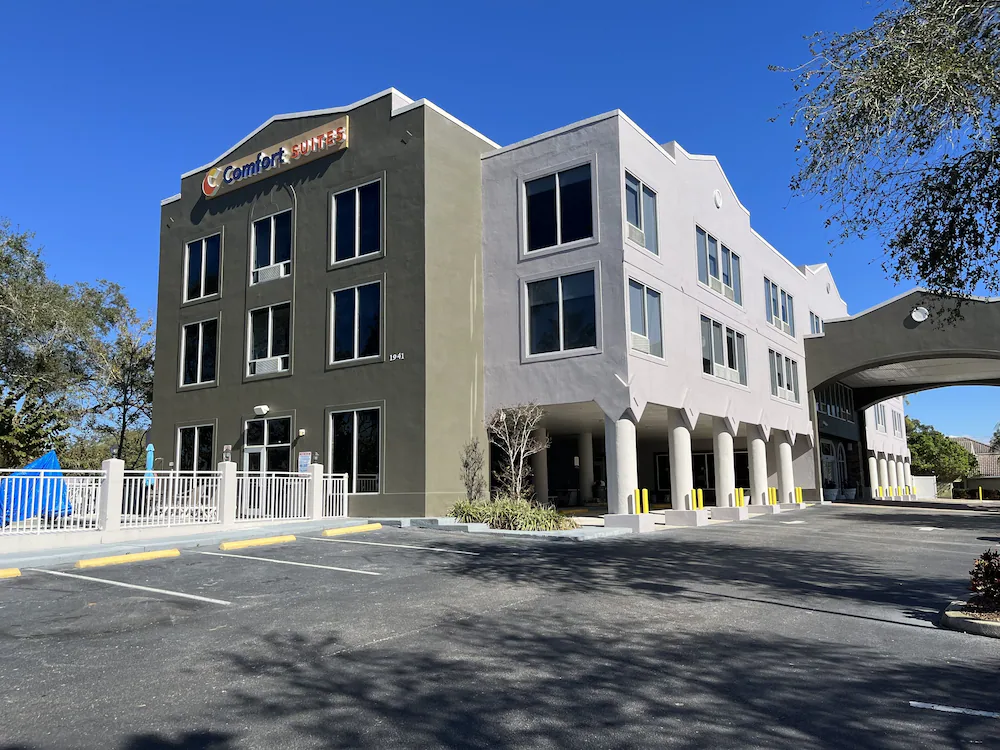
Comfort Suites Clearwater
1941 Edgewater Dr, Clearwater, FL 33755, USA
Login to view our current rates & availability
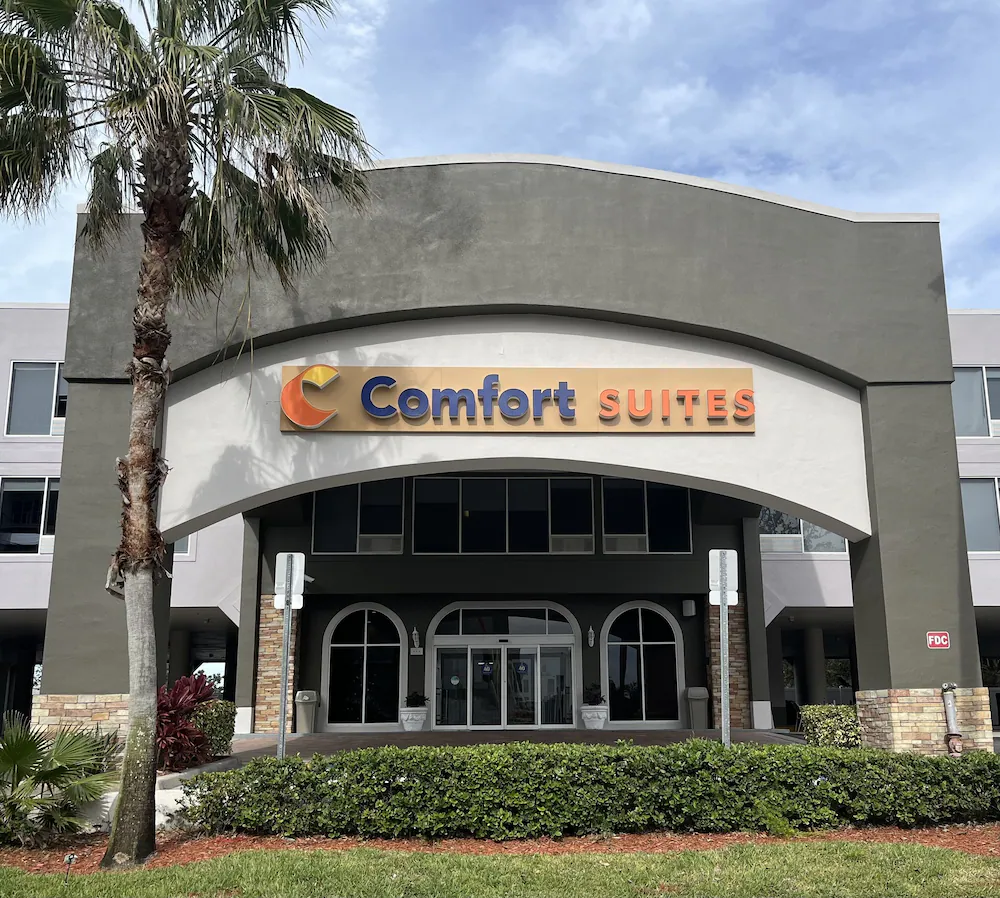


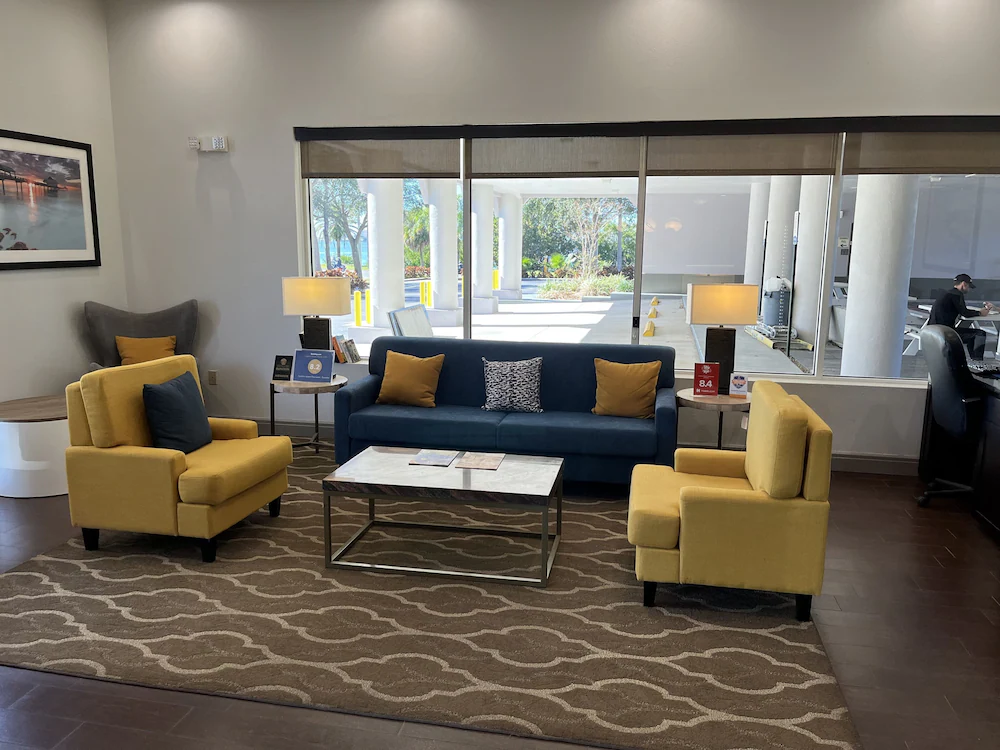


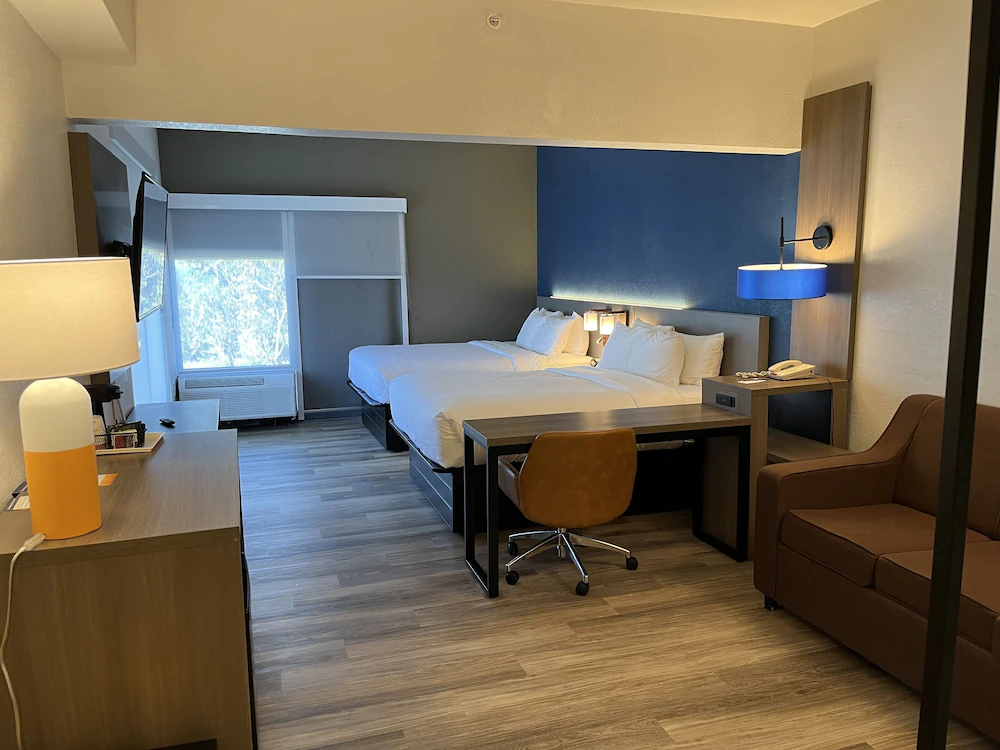


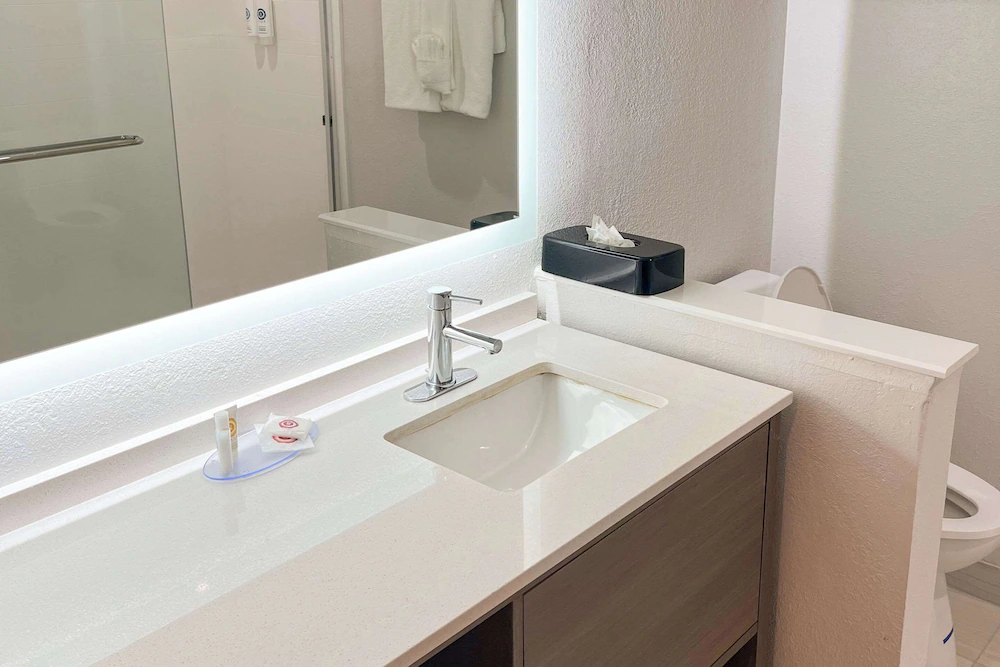







Accommodation Information
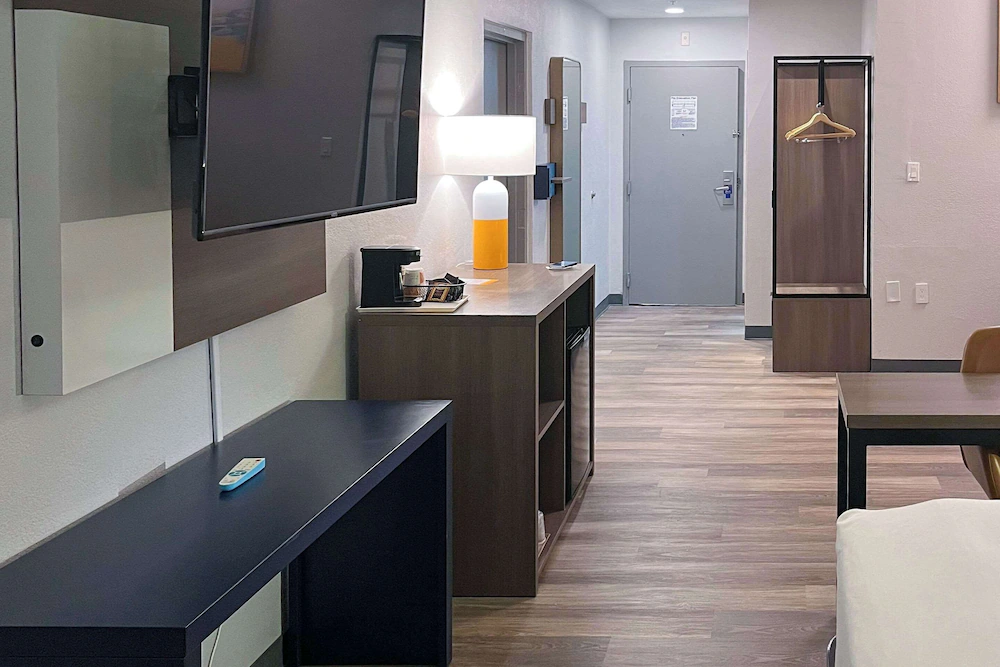
Comfort Suites Clearwater – Dunedin works best as a simple, suite-forward base for groups that need rooms with extra space and a predictable daily routine. The suite format helps when you are placing 15 to 50+ people because it gives travelers room to spread out, keep gear organized, and reset between long days without turning the lobby into the default hangout spot.
For block planning, I split the roster into pods and assign each pod a lead who can handle minor questions without pulling the whole coordinator into every request. A 15–25 person group can usually run as one cluster with a small buffer for late adds and extensions. A 30–50+ group needs a tighter system, rooming list discipline, staggered arrivals, and a short list of who is allowed to request changes.
Check-in is where group travel gets noisy if you let it. A finalized rooming list should be delivered ahead of arrival with full legal names, arrival dates, and planned checkout dates. Two onsite contacts should be named, one primary and one backup, and they should be the only people authorized to request room swaps, extend stays, or fix exceptions. Everyone else follows one instruction set: arrive in your assigned window, show ID, pick up keys, go straight to the suite.
Operationally, I schedule arrivals in waves for anything above 25 people. The first wave is the onsite lead plus a small set of travelers who can absorb any hiccups without slowing the rest of the group. The middle waves are the bulk of the roster, grouped by vehicle or team. The last wave is late arrivals and anyone with special placement needs. This prevents long lines, keeps luggage from piling up in shared areas, and gives the front desk room to work.
Billing is the other friction point, especially with incidental holds. Engine.com’s Incidental Coverage is how you keep workers from being required to use personal cards for incidental authorizations at check-in. With coverage in place, you reduce the most common bottleneck at the desk, keep personal funds out of the process, and avoid the post-stay mess of reimbursement questions tied to individual deposits.
Daily rhythm should be standardized early so your group does not drift into constant coordination chatter. Suites make it easier to manage meals and downtime because travelers can keep snacks, store basic items, and handle quick resets without a trip offsite. If you need quick huddles, set one consistent time and one consistent meeting spot, then keep it short so the hotel does not become a meeting venue by default.
Checkout should be handled like a controlled exit, not an open-ended scatter. Maintain a departure roster, confirm extensions at least two days before planned checkout, and set a hard deadline for reporting room issues while travelers are still onsite. That is how you avoid chasing problems after the group has already moved on.
Key hotel features and amenities
-
Suite-style rooms that support longer stays, shared occupancy planning, and gear-heavy travelers
-
In-room food storage and meal support features that help early starts and late returns
-
Complimentary breakfast setup that can be used to standardize morning timing across the roster
-
Wi-Fi suitable for day-to-day communication, scheduling updates, and basic work needs
-
Laundry access, either onsite or close by, for multi-day and extended assignments
-
Common areas that can serve as a brief regroup point without forcing everyone into one room
-
Front desk workflow that runs faster when a rooming list and arrival schedule are provided in advance
Points of interest and attractions within a 2–3 mile radius
-
Downtown Dunedin area for dining, quick errands, and an easy off-hours walkable district
-
Pinellas Trail access for a simple outdoor break and a predictable route for downtime
-
Dunedin Marina and nearby waterfront parks for a low-effort reset between long days
-
TD Ballpark area for scheduled events and a clear local waypoint for navigation
-
Grocery stores and convenience markets for stocking breakfast basics, water, and snacks
-
Pharmacy options for prescriptions, toiletries, and routine travel needs
-
Fuel stations and service corridors for carpools, vans, and quick in-and-out trips
Features of interest to group travelers
-
Block strategy that scales from 15 to 50+ by splitting the roster into pods with one lead per pod
-
Staggered arrival windows to prevent lobby backups and keep check-in moving in controlled waves
-
Pre-submitted rooming list using full legal names to reduce desk time and avoid name-matching delays
-
Two-lead escalation model, one primary onsite contact and one backup, limiting who can request changes
-
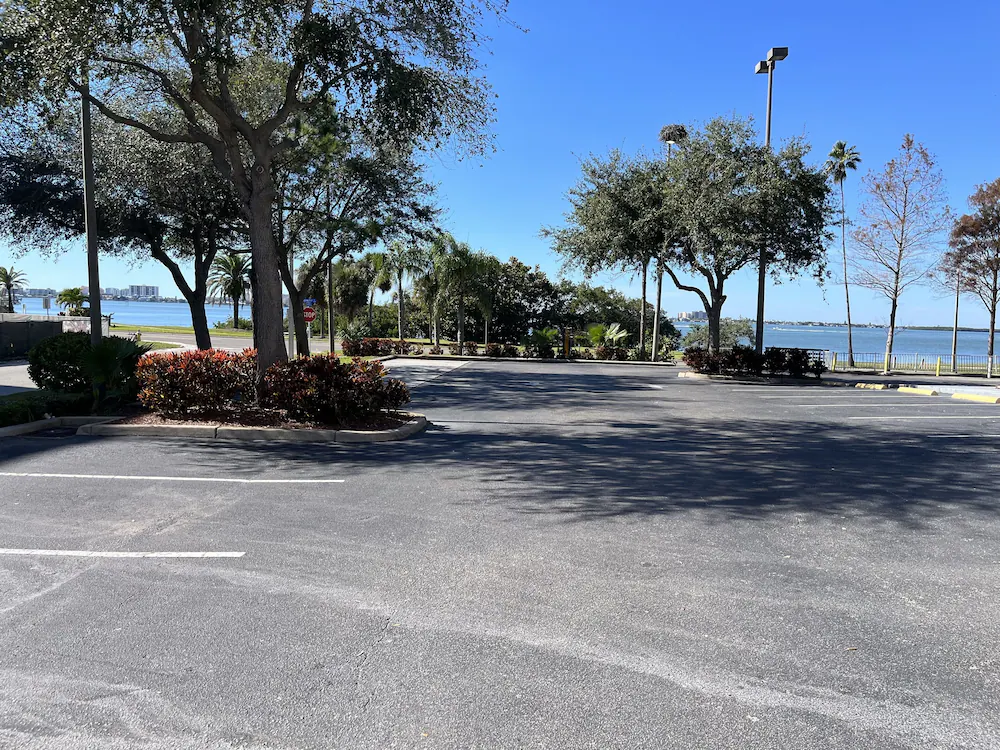
Parking plan for carpools and work vehicles, including first-night staging guidance to avoid congestion
-
Suite layouts that reduce friction for shared occupancy, shift-based schedules, and longer stays
-
Breakfast timing approach that reduces morning drift and keeps departures more consistent
-
Engine.com Incidental Coverage so workers do not need personal cards for incidental holds, improving check-in speed and consistency
-
Checkout controls built around a departure roster, planned extensions, and early issue reporting to minimize post-stay cleanup
Lodging Location

 Devon Shores
What is there more kindly than the feeling between host and guest?
- Login