
Group Booking Rates & Corporate Lodging
Group Booking Rates & Corporate Lodging
Courtyard By Marriott
707 Iyannough Rd, Hyannis, MA 02601, USA
Login to view our current rates & availability









Accommodation Information
Planning a room block at Courtyard by Marriott Cape Cod Hyannis starts with one advantage that matters for group travel: it is built for steady turnover and repeatable routines. This is not a resort with scattered buildings or a sprawling campus, it is a straightforward hotel that handles check-ins, keys, and daily flow in a way that is easy to operationalize for groups of 15 to 50+ people. When you are moving crews, project teams, or a multi-family wedding group, that predictability is the feature.
On the logistics side, I treat this property like a hub for Hyannis-area itineraries because it puts the basics within quick reach: retail, food, and the main corridors that people use to get around town. That helps when you have a mix of arrival times, shifting job schedules, or a group that needs supplies after hours. It also reduces the number of “where do we go” questions that land on the coordinator, especially for first-time visitors who just need clear directions and a room key.
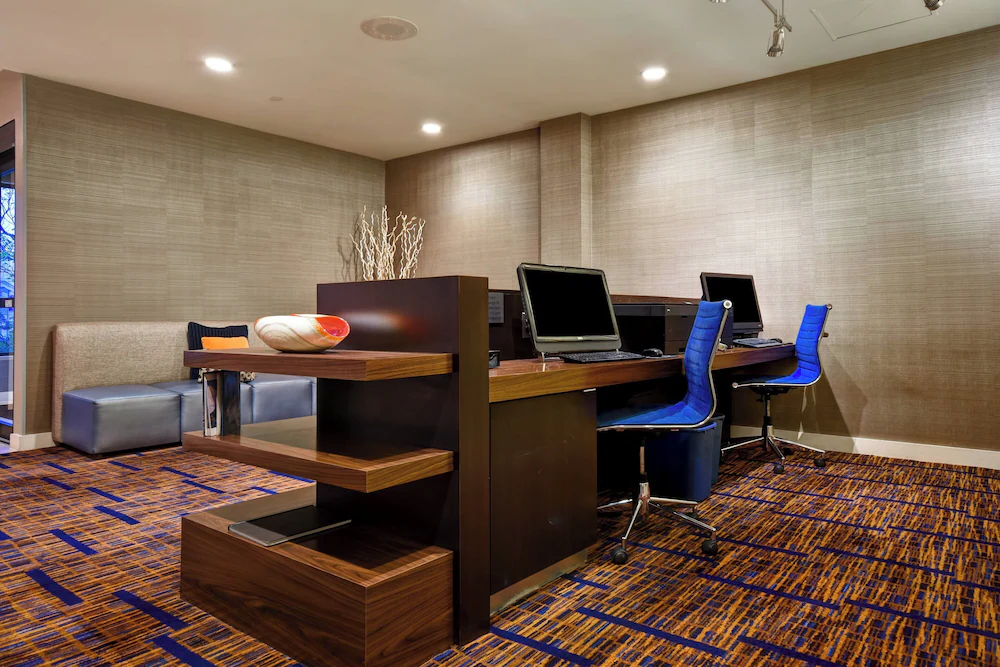
Inside the building, the day-to-day experience is what you would expect from a Courtyard: practical common spaces, a front desk that is used to business-like arrivals, and a layout that generally supports quick navigation. I plan for two priorities during intake. First, keep the lobby from getting crowded. Second, keep the check-in conversation short. Both are achievable if you do the prep work: submit a rooming list early, request key packets when available, and designate one on-site lead to handle exceptions so the front desk is not fielding fifteen separate room-change requests.
For groups in the 15–25 range, the simplest approach is clustering rooms by team and keeping the roster tight. I usually assign supervisors and leads to single-occupancy rooms, then place the rest based on shift timing and noise sensitivity. For 30–50+ travelers, I plan as if the lobby can only absorb a small wave at a time. Stagger arrivals in 20-minute windows, assign people to arrive by vehicle group, and hand out a one-page arrival plan that tells them exactly what to do: park, enter, show ID, pick up key, head to the elevator. If anyone shows up without matching identification, that becomes a coordinator problem, not a front desk problem, so I flag ID requirements clearly in advance.
Because incidental holds are where crew travel can derail, I set expectations upfront and remove personal cards from the equation whenever possible. Engine.com’s Incidental Coverage is designed for exactly that scenario. Instead of each traveler getting asked for a personal card at check-in for a deposit or authorization, the trip can be structured so incidentals are covered under the company arrangement. That keeps the line moving, avoids awkward conversations about who has a card available, and reduces the chance that someone’s personal funds get tied up for days. It also makes it easier to set consistent guardrails: what incidentals are allowed, how exceptions are approved, and how you reconcile anything that does post to the folio.
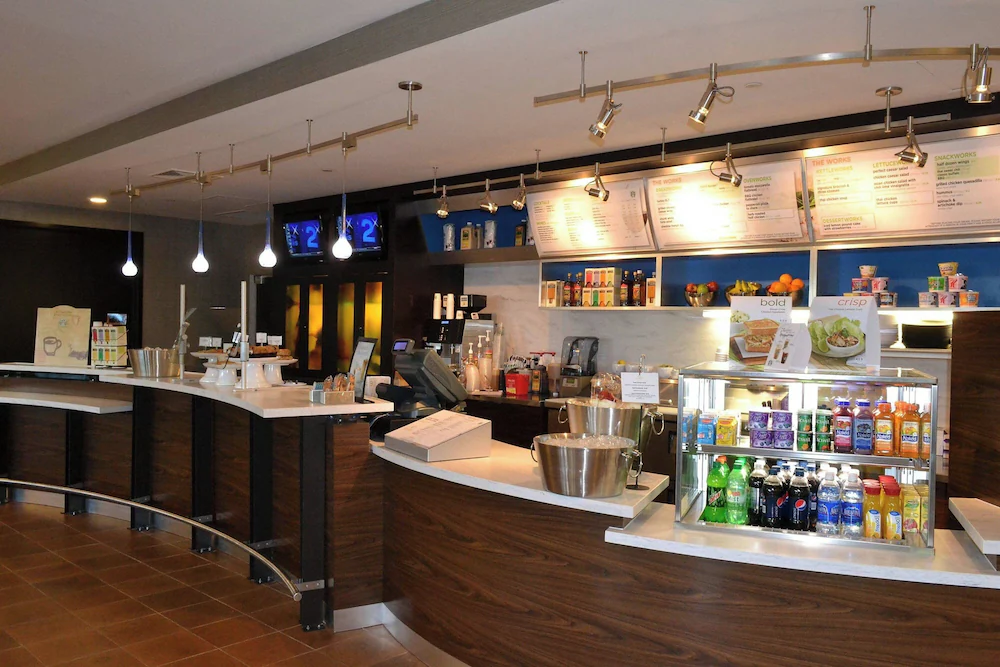
After everyone is checked in, this property works well when you give the group a simple daily rhythm. Morning starts are easier if you tell people where breakfast is handled and how timing works, since Courtyard-style food service is commonly an onsite bistro model rather than a large complimentary breakfast setup. Evening returns are smoother if you have a clear parking plan and a designated regrouping spot for quick updates. If the group needs quick meetings, I aim for short standups in a common area or reserve meeting space for the days when you truly need a closed door and a whiteboard.
During checkout, the success metric is clean folios and no surprises. I use a written departure roster, confirm who is responsible for any room key returns, and set a hard internal deadline for reporting issues. The best practice is to catch problems while your travelers are still onsite, not after the team has dispersed across highways and job sites. With Engine.com managing booking and billing details, your back office gets a cleaner trail to reconcile, especially when incidentals are handled through coverage instead of individual cards.
Key hotel features and amenities
-
Front desk workflow that supports group arrivals when a rooming list is provided ahead of time
-
Onsite food and beverage service geared toward quick meals and coffee runs, with a predictable schedule
-
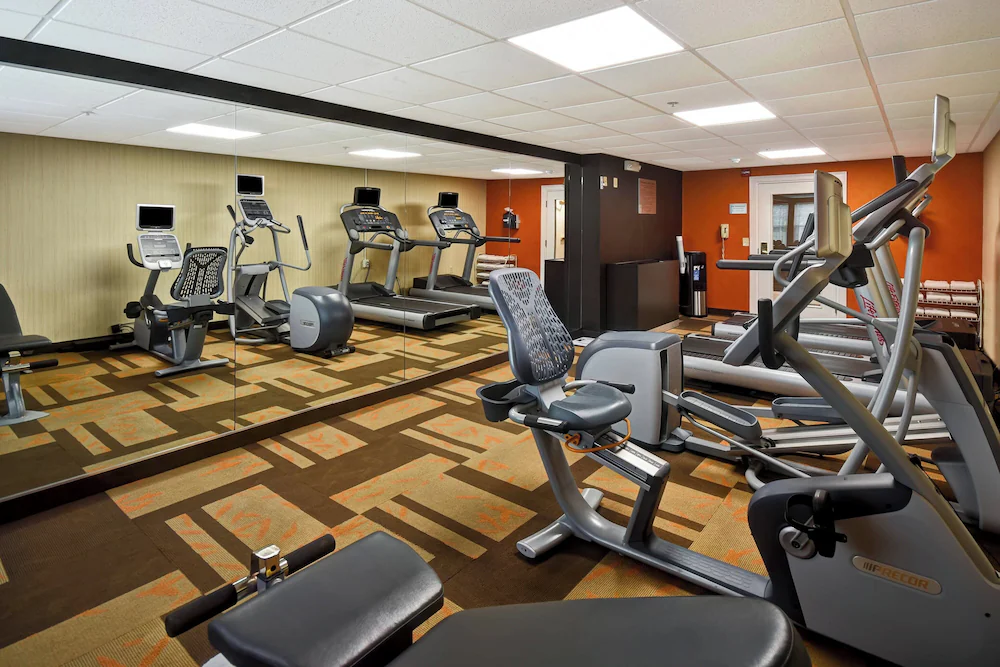
Indoor pool and fitness room that support longer stays and downtime between shifts
-
Common spaces that can be used for quick meetups, driver coordination, or short updates
-
Guest rooms designed around work basics, including a desk area and in-room beverage setup
-
Wi-Fi access appropriate for everyday communication, scheduling, and light work tasks
-
Meeting rooms or event space options that can support planning sessions when reserved in advance
Features of interest to group travelers
-
Room block planning that scales from 15 to 50+ travelers by using clustered assignments and controlled arrival windows
-
Check-in procedure that runs faster with pre-built key packets, a finalized roster, and one authorized onsite point of contact
-
Parking convenience for multiple vehicles, with the option to plan designated areas for vans and carpools (confirm oversized vehicle needs in advance)
-
Food planning that works for early departures, including setting expectations about service style and peak times
-
Clear rules for room changes and late arrivals, reducing front desk disruption and avoiding repeated exceptions
-
Engine.com support for booking and billing coordination, reducing manual follow-ups across multiple reservations
-
Engine.com Incidental Coverage to eliminate the need for workers to use personal cards for incidental holds, improving speed and consistency at check-in
-
A coordinator-friendly checkout process when departure lists and folio routing are confirmed before the final morning
Points of interest and attractions within a 2–3 mile radius
-
Cape Cod Mall and nearby retail corridors for supplies, basics, and quick errands
-
Main Street Hyannis for dining, shops, and walkable blocks that work for short off-duty breaks
-
Hyannis Harbor and the waterfront area, useful for ferry-related schedules and shoreline access
-
John F. Kennedy Hyannis Museum for a local landmark visit during downtime
-
Cape Cod Melody Tent for groups attending scheduled events in the Hyannis area
-
Kalmus Beach and nearby public beach access points for a simple outdoor reset between long workdays
-
Barnstable Municipal Airport area for quick transfers and arrivals tied to short domestic flights
If you run this as a logistics plan instead of a casual booking, Courtyard by Marriott Cape Cod Hyannis can handle large-group movement with fewer friction points: controlled arrivals, defined roles, and a check-in process that does not rely on personal cards when Incidental Coverage is in place.
Lodging Location

 Anchor In
What is there more kindly than the feeling between host and guest?
- Login