
Group Booking Rates & Corporate Lodging
Group Booking Rates & Corporate Lodging
Courtyard by Marriott
2006 N Ocean Blvd, Myrtle Beach, SC 29577, USA
Login to view our current rates & availability







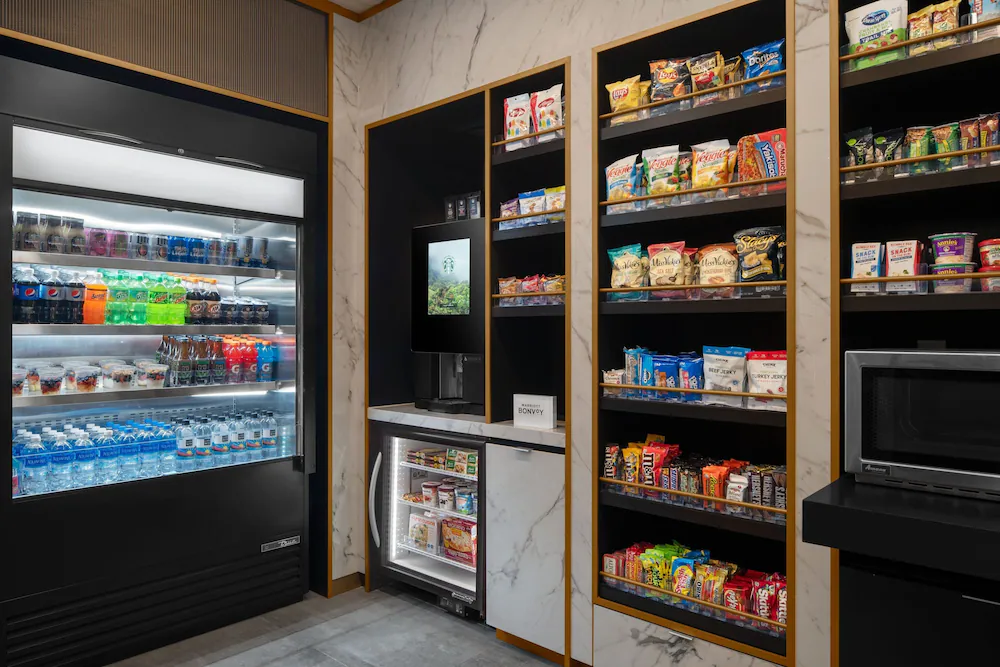


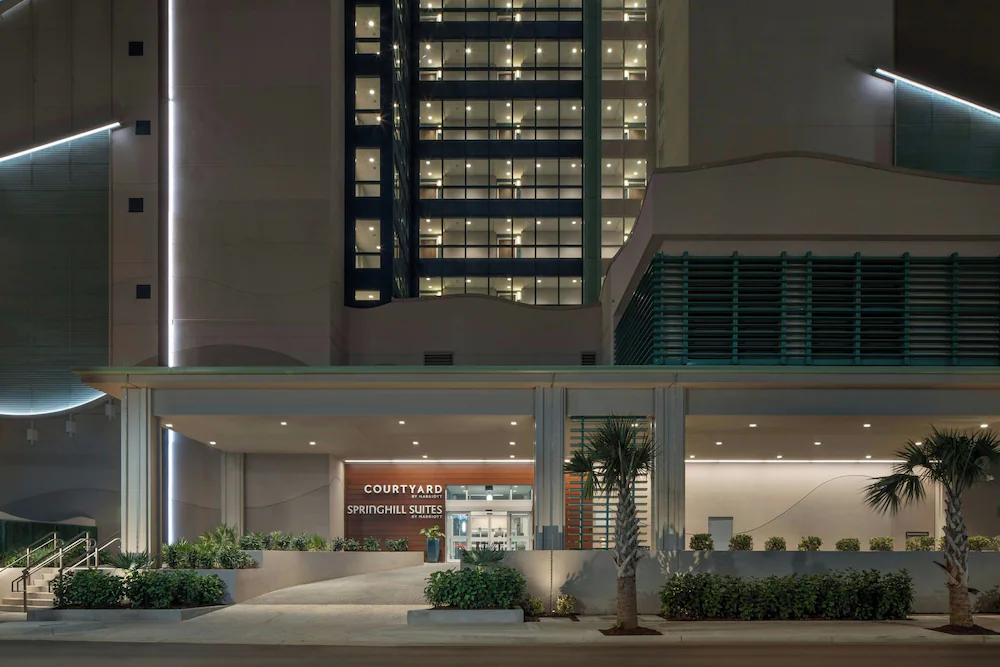


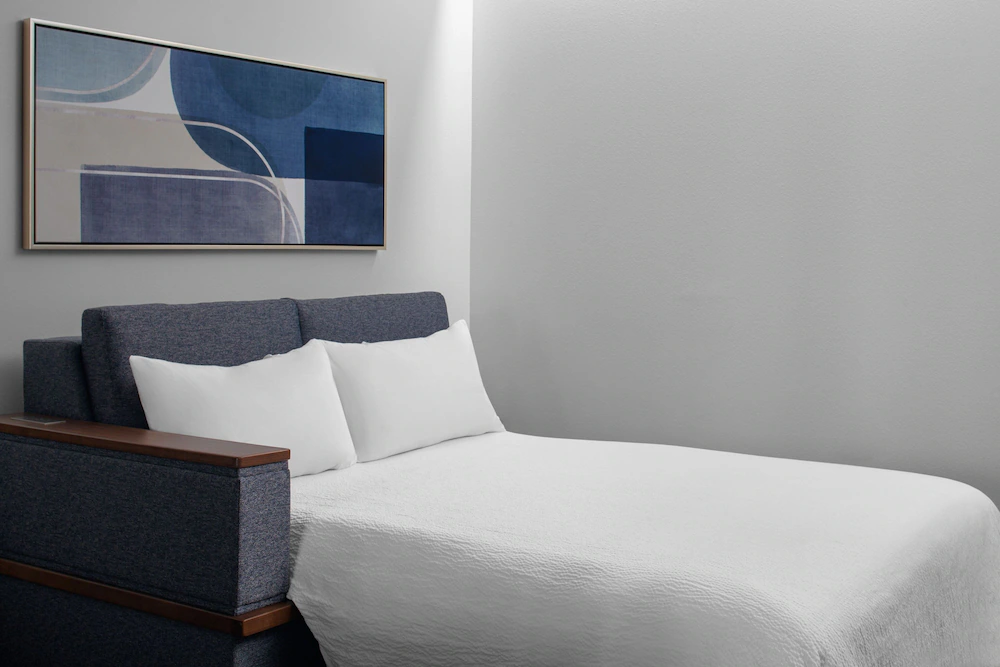





Accommodation Information
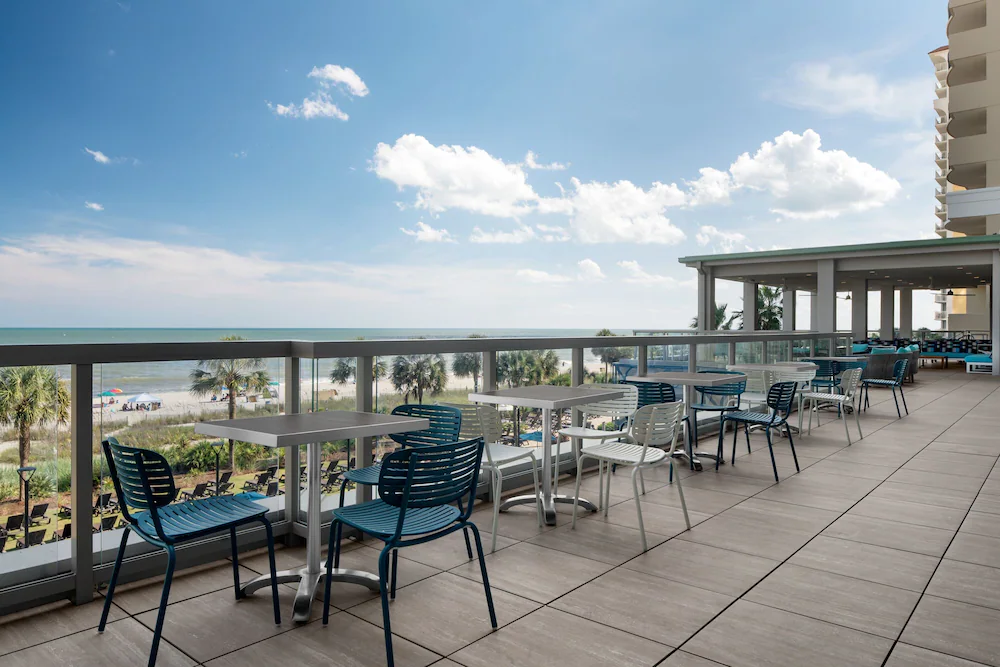
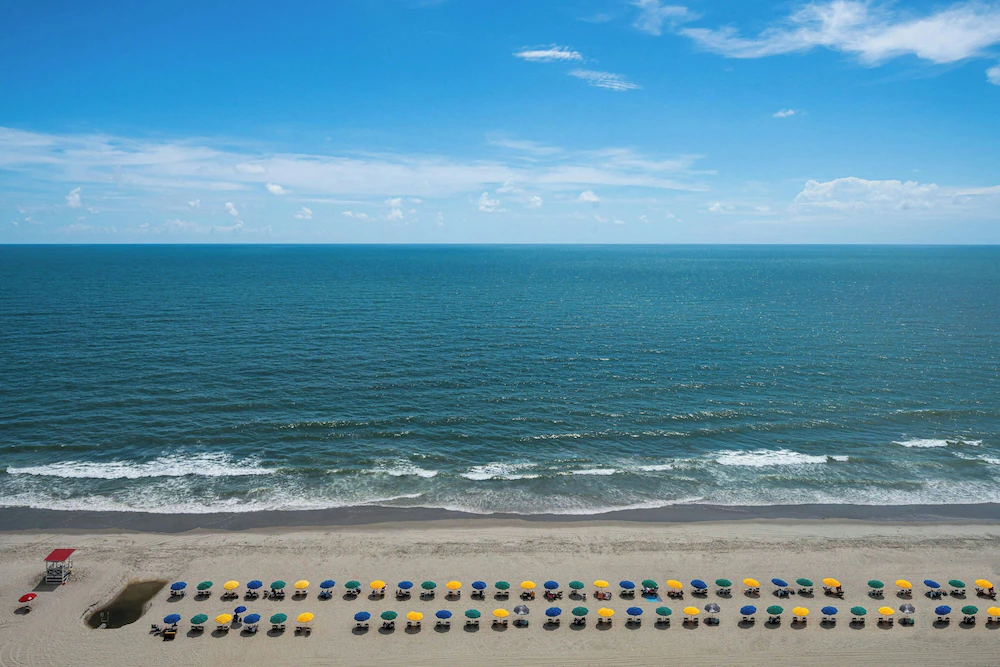
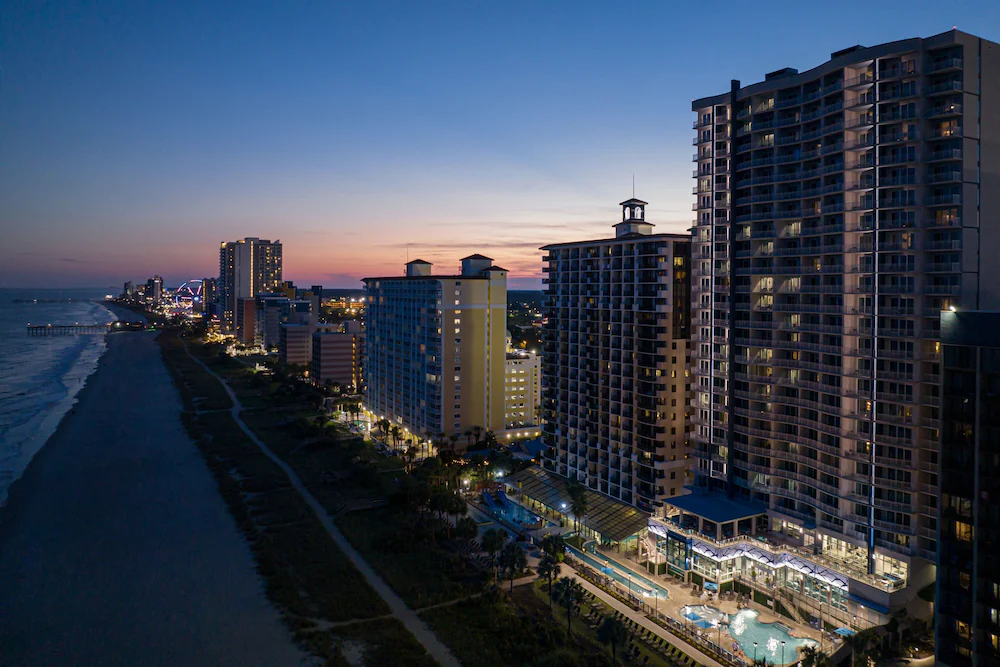
Oceanfront access is the main reason Courtyard by Marriott Myrtle Beach Oceanfront works for group placements, because the property keeps people close to the beach corridor while still operating like a straightforward, process-driven hotel. For a block of 15 to 50+ travelers, the win is predictable movement: arrivals can be staged, keys can be distributed quickly, and the rest of the stay runs on a repeatable daily rhythm instead of constant improvising.
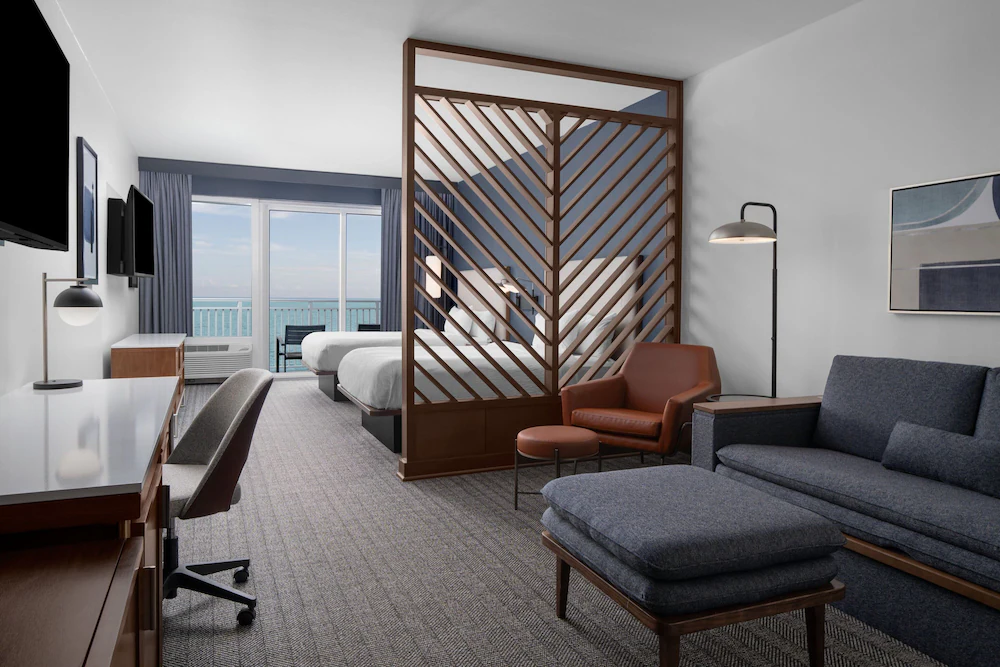
Because this is a Courtyard format, the stay is best planned around practical touchpoints that groups actually use: a clear check-in path, reliable common areas for quick regrouping, and room layouts that feel consistent across the roster. Many rooms are oriented toward the water, and private balcony setups are common in the oceanfront inventory, which helps keep downtime contained without everyone gathering in the same indoor space.
For groups of 15–25, the simplest strategy is a tight cluster with one arrival wave and a small buffer for changes. Leaders and early-start roles should be placed in quieter pairings, while shared rooms should be matched by schedule and tolerance for noise, not convenience. Once you move into the 30–50+ range, treat the block like a controlled intake: split the roster into smaller sub-groups, assign one onsite lead and one backup lead, and keep all changes routed through those two people.
Parking should be addressed early because oceanfront properties in Myrtle Beach often rely on garage parking with limited availability. The most stable plan is to assign carpools, set a driver list, and publish a first-night staging rule so vehicles are not circling while people try to figure out where to unload. If the hotel limits parking to a single space per room, that needs to be made explicit in the arrival memo so you do not end up with avoidable friction at the curb.
Billing is where large check-ins usually slow down, especially when incidental holds are handled traveler by traveler. Engine.com’s Incidental Coverage is designed to prevent workers from needing personal cards for incidental authorizations at check-in. With coverage set up for the booking, the arrival line moves faster, personal funds stay out of the workflow, and you avoid the common bottleneck where one person holds up the group because they do not have a card available or do not want a hold placed on it.
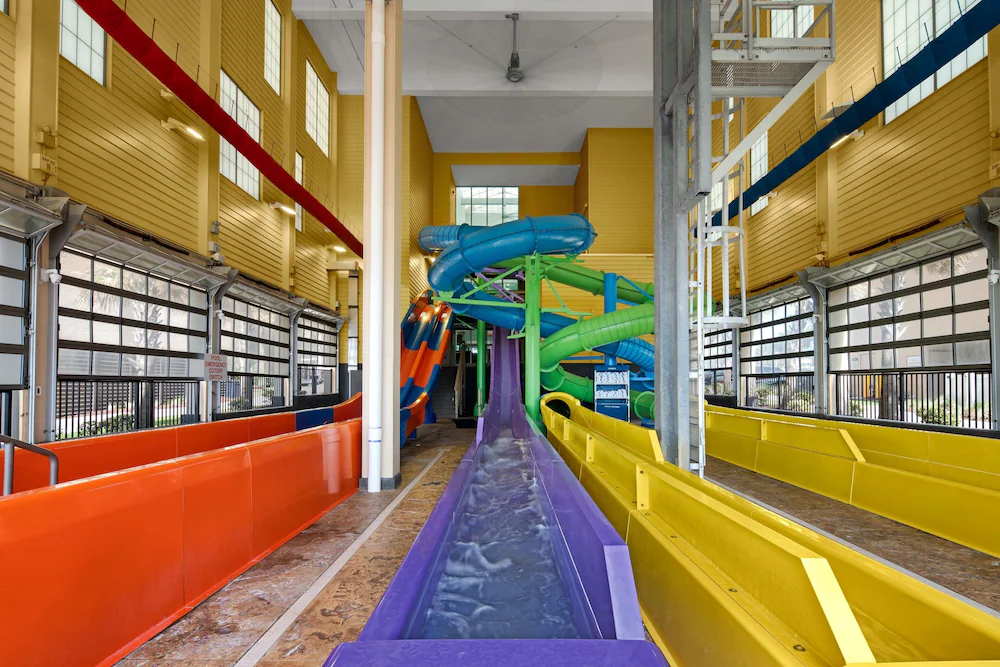
Morning operations are easier when you standardize the routine instead of letting the group drift. Set one breakfast plan, one departure timing note for early starts, and one daily update window for schedule changes. If your group includes crews, tournament teams, or multi-family travel, that single structure reduces coordinator noise and keeps the front desk from becoming your default help desk. Pool, lazy-river, or water-feature availability can shift due to maintenance, so the safest approach is to publish a simple rule: check daily availability through the onsite team and keep the group’s plans flexible.
Checkout should be run like a controlled exit, not a scatter. Maintain a departure roster, confirm extensions at least two days ahead, and set a hard deadline for reporting room issues while travelers are still onsite. When keys, parking, and departure timing are handled through a clear roster, you reduce last-day confusion and keep post-stay cleanup to a minimum.
Key hotel features and amenities
-
Oceanfront setting with direct beach access and a clear, walkable shoreline corridor
-
Private balcony setups common in the oceanfront room inventory, supporting quiet downtime without crowding common areas
-
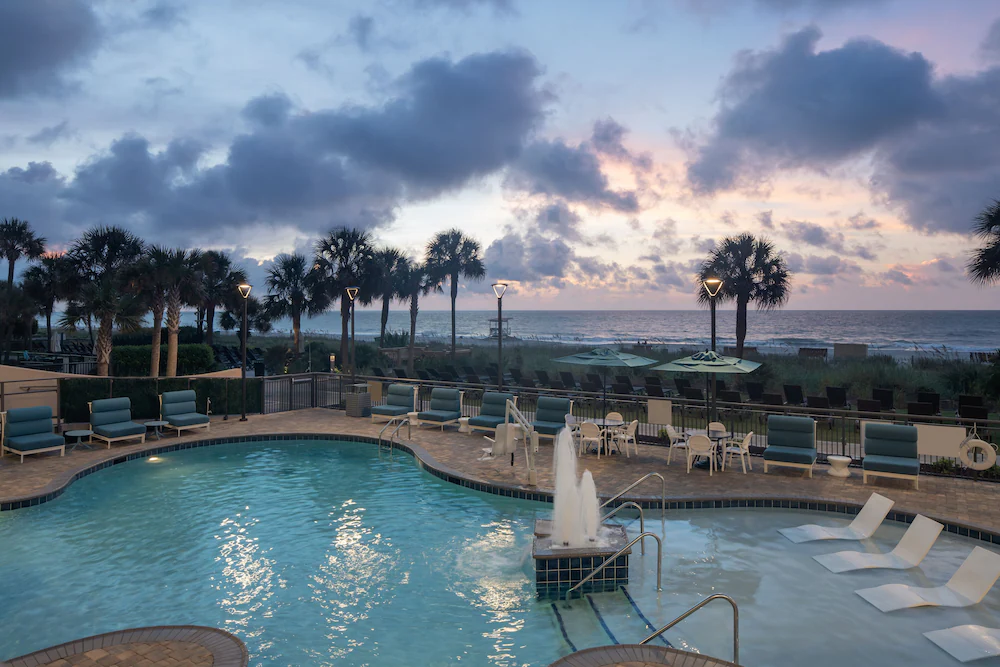
Outdoor pool access, with additional water features sometimes available through adjacent resort amenities depending on maintenance and access rules
-
Onsite dining and coffee options aligned with Courtyard-style operations and predictable meal timing
-
Fitness center and basic business services that support multi-day stays
-
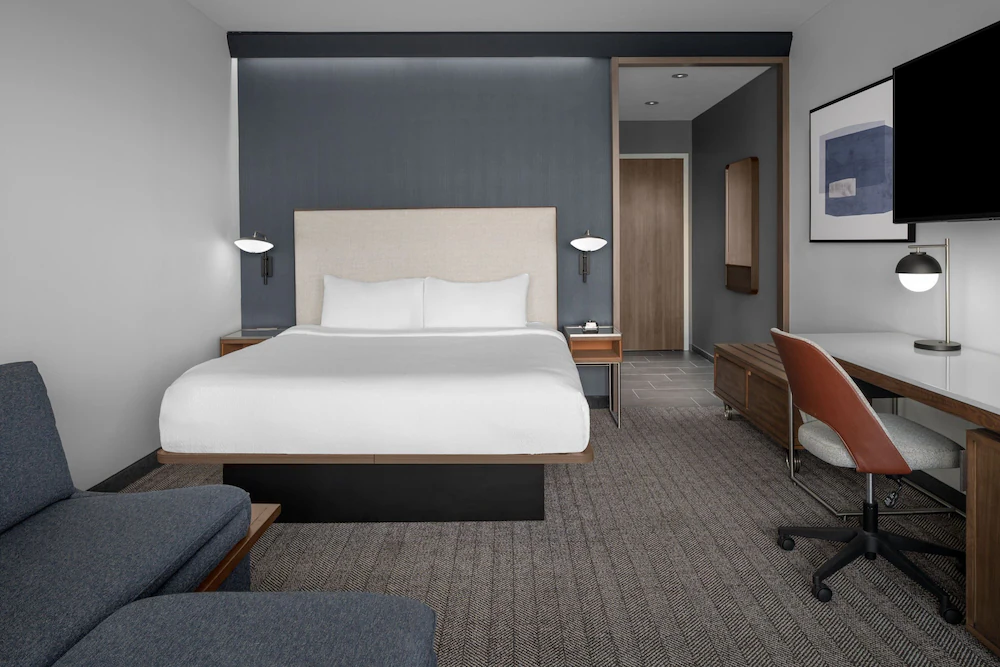
Guest rooms typically include practical basics for longer stays, including food storage features and work surfaces
-
Front desk workflow that runs faster when a guest manifest and staggered arrival windows are provided in advance
Points of interest and attractions within a 2–3 mile radius
-
Myrtle Beach Boardwalk corridor for dining clusters and easy group meet points
-
SkyWheel area as a recognizable navigation landmark and scheduled downtime stop
-
Myrtle Beach Convention Center corridor for conferences, competitions, and planned programming
-
Broadway at the Beach for restaurants, entertainment, and large-group activity planning
-
Ripley’s Aquarium for a structured outing that works well for mixed-age groups
-
Myrtle Beach Sports Center area for tournaments and organized athletic travel
-
Pelicans Ballpark for game-day schedules and evening group plans
Features of interest to group travelers
-
Block planning that scales from 15 to 50+ by splitting travelers into smaller sub-groups with one lead per group
-
Controlled intake using staggered arrival windows grouped by vehicle, team, or shift to prevent lobby backups
-
Pre-submitted guest manifest using full legal names to reduce desk time and avoid name-matching delays
-
Two-lead escalation model, one primary onsite contact and one backup, limiting who can request swaps, extensions, or exceptions
-
Parking plan with assigned carpools and driver lists to reduce first-night congestion and confusion
-
Standardized daily routine with one update window to reduce coordination noise and repeated front desk questions
-
Engine.com Incidental Coverage so workers do not need personal cards for incidental holds, improving check-in speed and consistency
-
Checkout controls built around a departure roster, planned extensions, and early issue reporting to minimize post-stay cleanup
Lodging Location

 Myrtle Beach Oceanfront
What is there more kindly than the feeling between host and guest?
- Login