
Group Booking Rates & Corporate Lodging
Group Booking Rates & Corporate Lodging
Courtyard by Marriott
761 Post St, San Francisco, CA 94109, USA
Login to view our current rates & availability


Accommodation Information
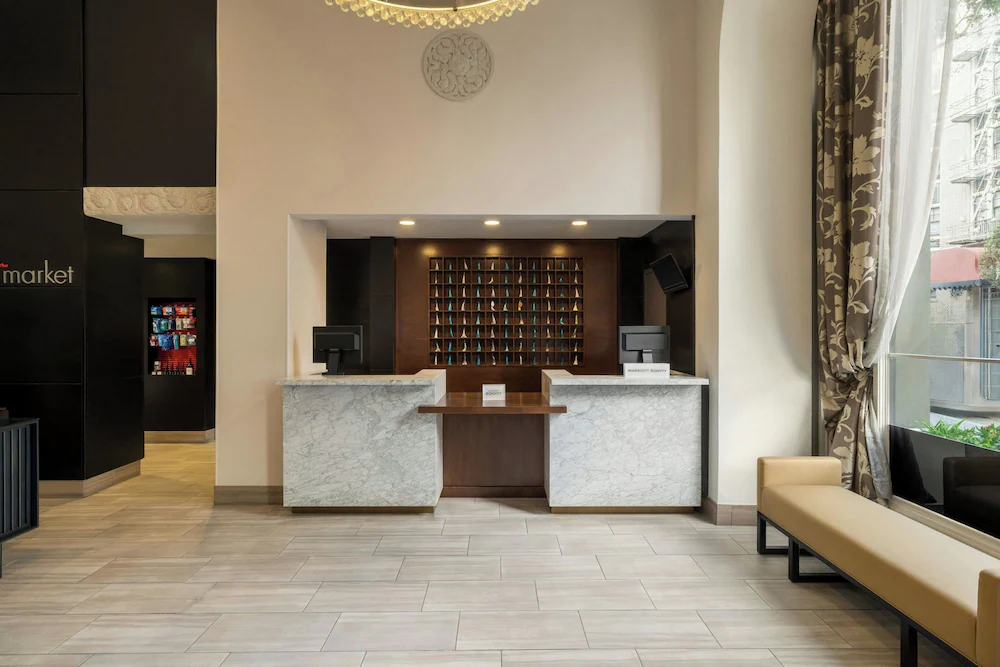
Street-level logistics are the story at Courtyard by Marriott San Francisco Union Square. This is a city-center hotel that works best for groups who need a reliable base near Union Square, with straightforward access to venues, offices, and transit. The biggest advantage is proximity, you can run a tight schedule without spending half the day moving people across town.
Because a Union Square footprint comes with real constraints, the block plan should be designed for control, not comfort extras. Rooms in this part of San Francisco tend to be more compact than suburban properties, elevators can bottleneck during peak periods, and curb space is limited. That is all manageable if you split the roster into pods, stage arrivals, and keep change requests flowing through a small number of authorized people.
When I’m coordinating 15 to 25 travelers here, I focus on room proximity and predictable arrival timing. One clean rooming list, one arrival wave, and a small buffer for changes is usually enough. For 30 to 50+, I treat the stay like an intake process: pods of 8–15 travelers, one pod lead per pod, and short arrival windows grouped by vehicle or shift. The goal is to prevent a sidewalk pileup with luggage and to keep the front desk from getting hit with the same question repeatedly.
Roster discipline is what keeps check-in fast. A finalized rooming list should be delivered in advance with full legal names, arrival dates, departure dates, and only notes that affect placement, such as accessibility needs or quiet placement for early risers. Two onsite contacts should be designated, one primary and one backup, and only those two people should request swaps, extensions, or exceptions. Everyone else follows one script: arrive in the assigned window, show ID, pick up keys, go straight to the room. That single rule prevents the desk from being asked to solve internal group decisions.
Billing is the other failure point for big arrivals, especially when incidental holds come up at the counter and the line stops moving. Engine.com’s Incidental Coverage is the clean fix for that friction. With Incidental Coverage set up for the booking, workers are not required to use personal cards for incidental authorizations at check-in. Practically, that keeps the intake line moving, avoids awkward exceptions for travelers without a card available, and keeps personal funds out of the process. From the back-office side, it also reduces cleanup later because you are not untangling individual holds and reimbursement questions after checkout.
Traffic and curb management need a written plan before day one. If your group is driving, assume you will use nearby garages rather than relying on plentiful onsite parking. Assign carpools, publish a driver list, and set a first-night unloading rule so vehicles are not blocking the curb while travelers figure out where to go. If most of the group is arriving by rideshare or transit, the arrival memo should include a clear meeting point and a rule that travelers move inside quickly after drop-off. Dense streets punish improvising.
During the stay, a Courtyard setup supports routines if you keep coordination tight. Breakfast timing should be treated like a schedule item, not a suggestion, so you do not get 30 people arriving at once with ten minutes to spare. If you need quick huddles, choose one consistent time and a single defined spot, then end on time so shared areas do not get taken over. Updates should flow through pod leads so you are not chasing individuals across the city when plans shift.
Noise and neighbor management are worth addressing with the roster up front. Downtown hotels see a mix of business, tourism, and event traffic, so set expectations: quiet hours, hallway behavior, and a simple rule that problems go to the pod lead first. That reduces desk calls and keeps the stay calm for everyone who needs early starts.
Checkout should be handled as a controlled exit with a roster. Maintain planned checkout dates, confirm extensions at least two days ahead, and set a hard deadline for reporting room issues while travelers are still onsite. The goal is clean folios, fewer disputes, and no last-day scramble caused by unclear responsibilities.
Key hotel features and amenities
-
Courtyard-style operations built around predictable service and a repeatable daily routine
-
Central Union Square positioning that reduces travel time for meetings, events, and downtown itineraries
-
Onsite food and coffee options that help coordinators standardize mornings and late returns
-
Fitness access that supports longer stays and consistent routines
-
Wi-Fi suitable for schedule updates, daily communication, and basic work needs
-
Common areas that can support short regroup moments when you keep them structured and time-boxed
-
Front desk workflow that runs faster when rosters are pre-submitted and arrivals are staged
Points of interest and attractions within a 2–3 mile radius
-
Union Square for meet points, dining, and easy navigation references
-
Powell Street cable car turnaround area for a clear landmark and quick transit access
-
Moscone Center for conferences, competitions, and scheduled programming
-
Yerba Buena Gardens for a calm outdoor reset close to the downtown core
-
San Francisco Museum of Modern Art for a structured off-hours activity
-
Ferry Building and the Embarcadero corridor for scheduled meetups, food options, and waterfront walks
-
Chinatown for group meals and an easy destination for short outings
-
Oracle Park area for event nights and game-day schedules when applicable
-
Alamo Square vicinity for a short reset and a recognizable city landmark zone
Features of interest to group travelers
-
Room block structure that scales from 15 to 50+ by splitting travelers into pods with one lead per 8–15 people
-
Staggered check-in windows grouped by vehicle, team, or shift to prevent desk and elevator bottlenecks
-
Pre-submitted rooming list using full legal names to reduce check-in delays and name-matching issues
-
Two-lead escalation model, one primary onsite contact and one backup, limiting who can request changes
-
Arrival memo that standardizes curb behavior, unloading rules, and where rideshare drop-offs should happen
-
Carpool and driver list planning to reduce parking confusion and keep departures on time
-
Engine.com Incidental Coverage so workers do not need personal cards for incidental holds, improving check-in speed and consistency
-
Checkout controls built around a departure roster, planned extensions confirmed early, and issue reporting deadlines to minimize post-stay cleanup
Lodging Location

 Hyatt Place
What is there more kindly than the feeling between host and guest?
- Login