
Group Booking Rates & Corporate Lodging
Group Booking Rates & Corporate Lodging
Courtyard Virginia Beach
2501 Atlantic Ave, Virginia Beach, VA 23451, USA
Login to view our current rates & availability









Accommodation Information
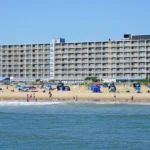
Courtyard Virginia Beach Oceanfront South is a beachfront, boardwalk-adjacent base that works well when your group needs a clear meeting point and a predictable daily routine. The biggest advantage is how easy it is to orient people: most arrivals understand the oceanfront corridor immediately, and that cuts down on navigation calls when you are moving 15 to 50+ travelers through the same schedule.
Coordination gets easier when you treat the room block like a controlled intake instead of a casual stream of check-ins. A clean rooming list should be delivered ahead of arrival with full legal names, arrival dates, and planned checkout dates, plus only notes that change placement such as accessibility needs or quieter placement for early risers. Two onsite contacts should be assigned, one primary and one backup, and those two people are the only ones who request swaps, extensions, or exceptions. Everyone else follows one script: arrive in your assigned window, show ID, pick up keys, go straight to the room.
Staggering arrivals matters at an oceanfront property because curb space, elevators, and luggage flow can bottleneck fast. For a group over 25, I schedule 20 to 30 minute arrival waves grouped by vehicle or team. The first wave is the onsite lead and a small set of flexible travelers who can absorb minor issues without slowing everyone else. The middle waves handle the bulk of the roster, then a final window covers late arrivals and anyone with special placement needs.
Parking is another item that should be decided before day one, not argued about at the curb. Oceanfront hotels often have structured parking rules, and the simplest approach is to assign carpools, publish a driver list, and define a first-night unloading plan so vehicles are not idling while people figure out where to go. If vans or larger vehicles are involved, those details should be flagged early so your departure timing does not get derailed by parking confusion.
Billing control is where group check-ins usually slow down, especially when incidental authorizations are handled traveler by traveler. Engine.com’s Incidental Coverage is designed to remove the need for workers to use personal cards for incidental holds at check-in. With coverage set up for the booking, the intake line moves faster, exceptions are reduced, and personal funds stay out of the process. From the back-office side, it also cuts down on reimbursement questions and “pending hold” complaints after checkout.
Daily rhythm should be standardized so the hotel does not become your coordination desk. One short update window per day is enough if pod leads distribute changes and confirm headcounts. Morning timing should be treated like a schedule item, especially when you have early departures, carpools, or teams that need to roll out together. If you need a quick briefing space, plan it as a reserved session or a defined regroup point, then end on time so shared areas do not get taken over.
Checkout runs smoother when you manage it like a controlled exit. Keep a departure roster current, confirm extensions at least two days before planned checkout, and set a deadline for reporting room issues while travelers are still onsite. Clear departure instructions sent the night before, including key return expectations and who to contact, will prevent last-day scrambling.
Key hotel features and amenities
-
Oceanfront location with direct access to the boardwalk corridor
-
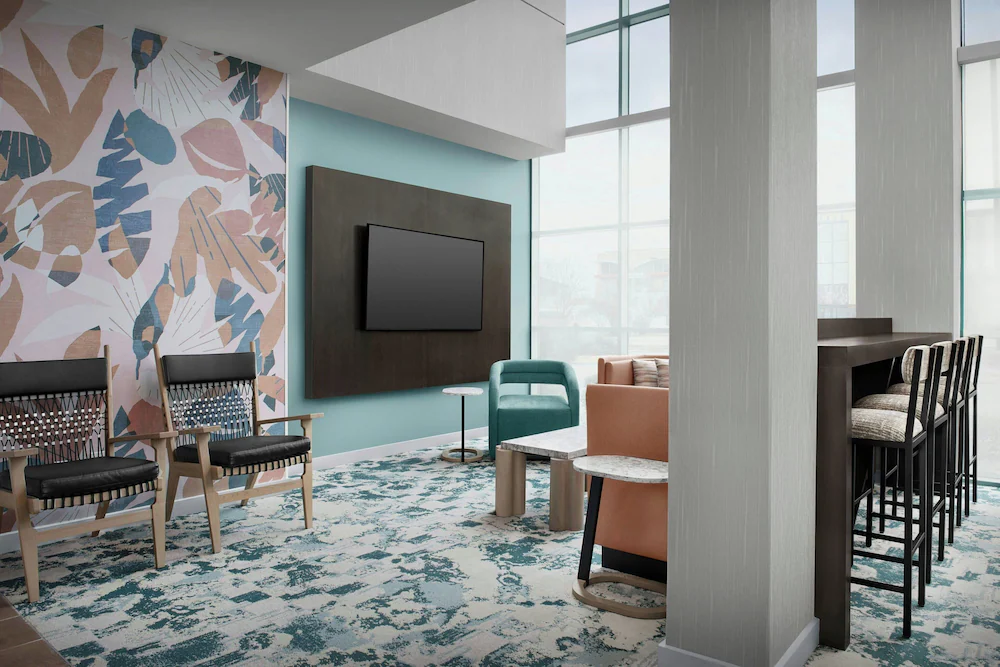
Courtyard-style lobby setup that supports quick arrivals when rosters are submitted in advance
-
Bistro-style lobby dining and coffee outlet common to the Courtyard format, useful for structured mornings
-
Pool and fitness access that support multi-day routines and recovery time
-
Guest room layouts that are consistent across the block, helping large rosters settle quickly
-
Wi-Fi suited for schedule updates, group messaging, and basic work needs
-
Common areas that can serve as a time-boxed regroup point for pod leads and quick updates
Points of interest and attractions within a 2–3 mile radius
-
Virginia Beach Boardwalk for a clear meeting point and easy wayfinding
-
Neptune’s Park and the Neptune Statue area for quick meetups and group photos
-
Virginia Beach Fishing Pier for a simple off-hours stop near the shoreline
-
Virginia Beach Convention Center for events, conferences, and competition schedules
-
Virginia Museum of Contemporary Art for a structured indoor activity window
-
Rudee Inlet area for boat tours and planned group outings
-
Oceanfront dining corridors for fast group meals without long drives
Features of interest to group travelers
-
Pod-based block planning for 15 to 50+ travelers, with one lead per 8–15 people to control questions and changes
-
Staggered check-in windows grouped by vehicle, team, or shift to prevent front desk and elevator bottlenecks
-
Pre-submitted rooming list using full legal names to reduce delays and name-matching issues
-
Two-lead escalation model, one primary onsite contact and one backup, limiting who can request swaps or extensions
-
Parking plan with assigned carpools, a driver list, and a first-night unloading rule to reduce curb congestion
-
Standardized daily update window that keeps communication centralized and reduces repeated desk calls
-
Engine.com Incidental Coverage so workers do not need personal cards for incidental holds, improving check-in speed and consistency
-
Checkout controls using a departure roster, early extension confirmation, and issue-reporting deadlines to minimize post-stay cleanup
Lodging Location

 Ramada Plaza
What is there more kindly than the feeling between host and guest?
- Login