
Group Booking Rates & Corporate Lodging
Group Booking Rates & Corporate Lodging
Garner Hotel
2604 Atlantic Ave, Virginia Beach, VA 23451, USA
Login to view our current rates & availability


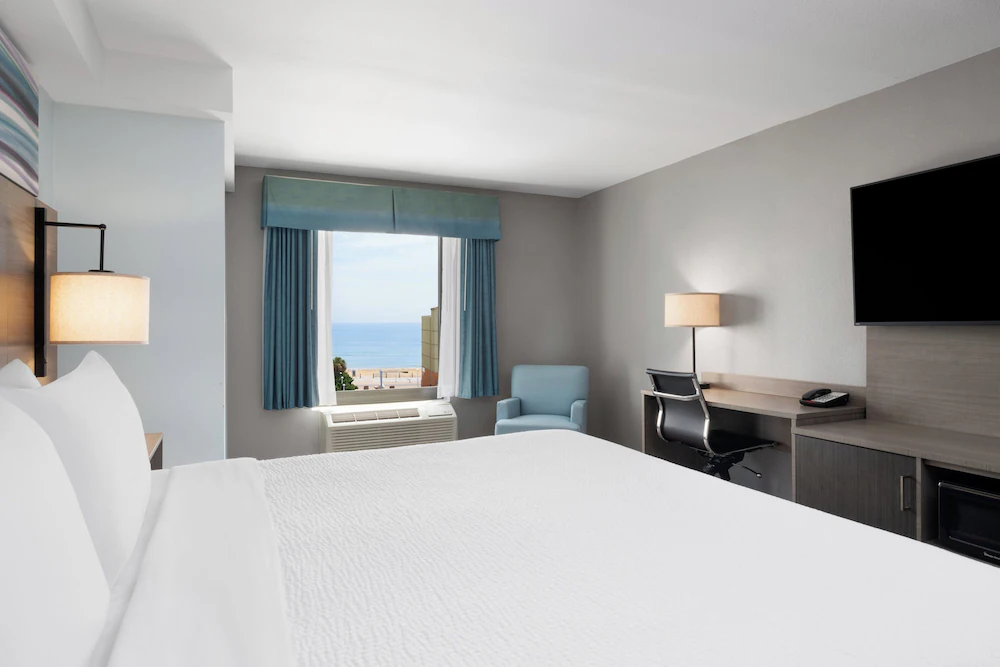


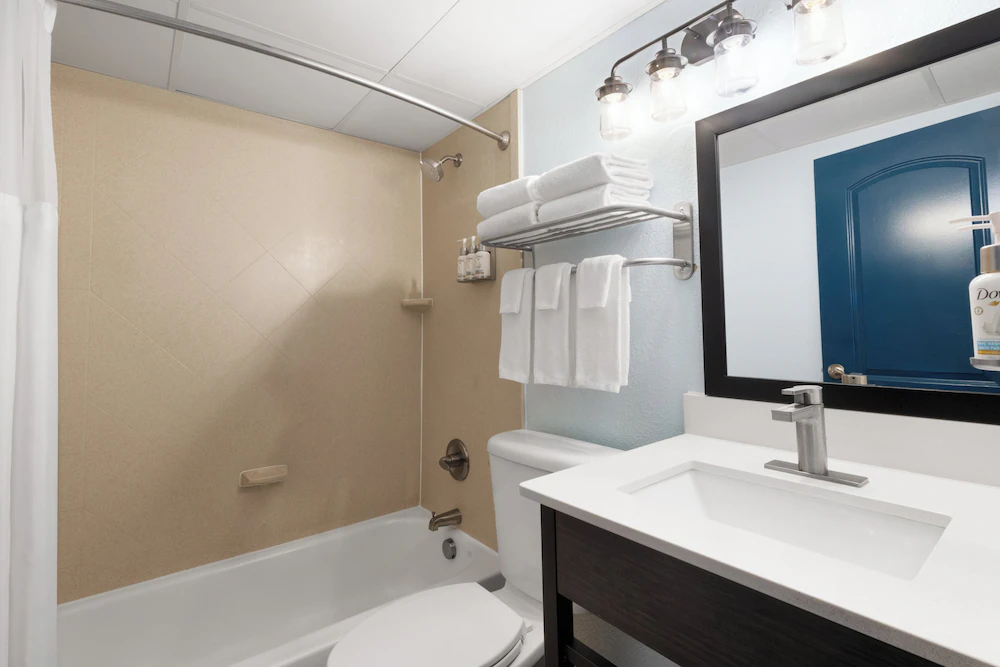


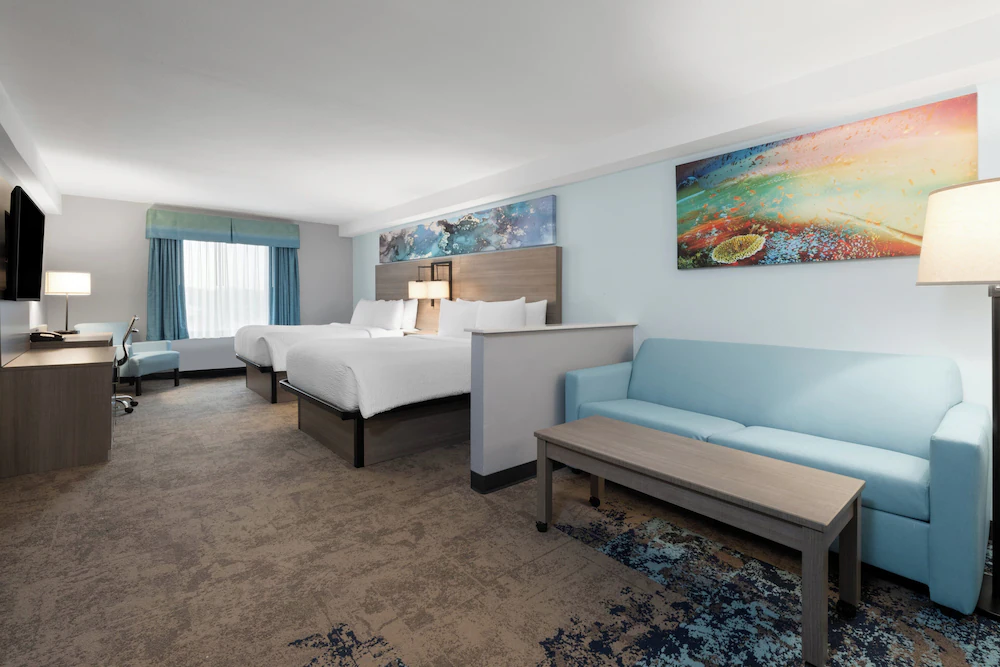


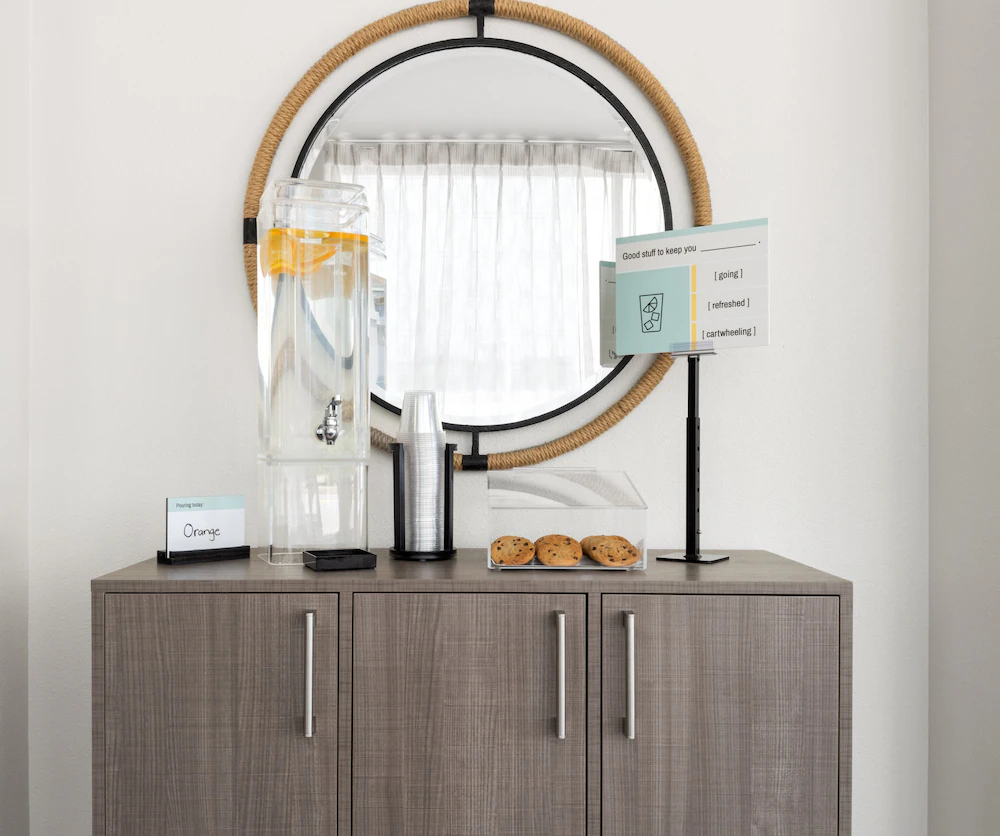


Accommodation Information
Garner Hotel Virginia Beach North is a practical, suburban-style base when your priority is keeping a large roster housed with minimal friction. The property’s role in a group plan is straightforward: it supports predictable arrivals, consistent morning routines, and quick access to the main north-side roads that crews and teams rely on. That makes it a strong fit for work trips, sports travel, and overflow lodging when the schedule happens offsite and everyone just needs a clean reset each night.
Operationally, the best way to run a 15 to 50+ person block here is to treat the group like a set of pods, not one crowd. A 15–25 person roster can usually be managed with one tight cluster and a small buffer for late adds or early departures. Once you push past 30, the workflow needs more structure, pods of 8–15 travelers, one pod lead per pod, and a defined rule for who is allowed to request changes. Pod leads reduce noise, because questions get answered once and shared, instead of repeated at the desk by ten different people.
Check-in stays controlled when the front desk is not asked to solve your internal decisions. I send the hotel a guest manifest in advance with legal names, arrival dates, and planned checkout dates, plus only notes that change placement, such as accessibility needs or quieter placement for early risers. Two onsite contacts are assigned, one primary and one backup, and only those two people can request extensions, swaps, or exceptions. Arrivals are then scheduled in short windows, grouped by vehicle, shift, or team, which prevents the lobby from turning into a waiting room filled with luggage and “where do I go” questions.
Incidental holds are the most common bottleneck for large check-ins, and they create the most frustration for travelers who are tired and just want keys. Engine.com’s Incidental Coverage is the clean fix, because it removes the need for workers to use personal cards for incidental authorizations at arrival. With coverage set for the booking, the desk can process check-ins faster, exceptions are reduced, and personal funds stay out of the workflow. From a coordinator standpoint, it also cuts down on post-stay cleanup, fewer reimbursement questions, fewer complaints about deposits, and fewer calls about pending holds days after checkout.
During the stay, the goal is to keep the hotel from becoming your operations center. One short daily update window is enough if pod leads distribute changes and confirm headcounts. Morning timing should be treated like a schedule item, especially if you have early starts, shift changes, or carpools that must roll on time. A simple parking plan helps more than people expect, assign carpools, publish a driver list, and set a first-night unloading rule so vehicles are not idling while travelers figure out where to go. If anyone is arriving late, the pod lead handles coordination so the desk is not repeatedly pulled into the same issue.
Checkout needs the same discipline as arrival. A departure roster should be maintained throughout the stay, extensions should be confirmed at least two days before planned checkout, and travelers should have a clear deadline for reporting room issues while they are still onsite. When you run departures as a controlled exit, you avoid last-day surprises and keep billing resolution fast and clean.
Key hotel features and amenities
-
Practical hotel layout designed for quick in and out movement, helpful for early starts and staggered returns
-
Consistent daily rhythm typical of limited-service stays, supporting predictable mornings
-
Breakfast availability that helps standardize departure timing across a large roster
-
Wi-Fi suitable for daily communication, schedule updates, and basic work needs
-
Common areas that can support short, time-boxed meetups for driver coordination or quick updates
-
Guest room setup geared toward sleep and reset, with a simple, repeatable layout across the block
-
Parking setup that works best when carpools and unloading behavior are planned in advance
Points of interest and attractions within a 2–3 mile radius
-
Virginia Beach Town Center area for dining, coffee runs, and easy meet points
-
Mount Trashmore Park for a quick outdoor reset between long days
-
Norfolk Premium Outlets for retail runs and basic errands
-
Lake Lawson and Lake Smith Natural Area for a quiet walk and a low-effort break
-
Virginia Wesleyan University area as a clear navigation landmark and local waypoint
-
Nearby grocery and pharmacy corridors for stocking water, snacks, and routine essentials
-
Fuel stations along main north-side routes for quick in-and-out trips and carpool staging
Features of interest to group travelers
-
Block structure that scales from 15 to 50+ by splitting travelers into pods with one lead per 8–15 people
-
Staggered arrival windows grouped by vehicle, team, or shift to prevent check-in backups
-
Pre-submitted guest manifest using full legal names to reduce delays and name-matching issues
-
Two-lead escalation model, one primary onsite contact and one backup, limiting who can request changes
-
Parking and unloading plan with assigned carpools and a driver list to reduce first-night confusion
-
Standardized daily update rhythm that keeps communication centralized and reduces one-off desk calls
-
Engine.com Incidental Coverage so workers do not need personal cards for incidental holds, improving check-in speed and consistency
-
Controlled checkout process using a departure roster, early extension confirmation, and issue-reporting deadlines to minimize post-stay cleanup
Lodging Location

 Holiday Inn Va Beach
What is there more kindly than the feeling between host and guest?
- Login