
Group Booking Rates & Corporate Lodging
Group Booking Rates & Corporate Lodging
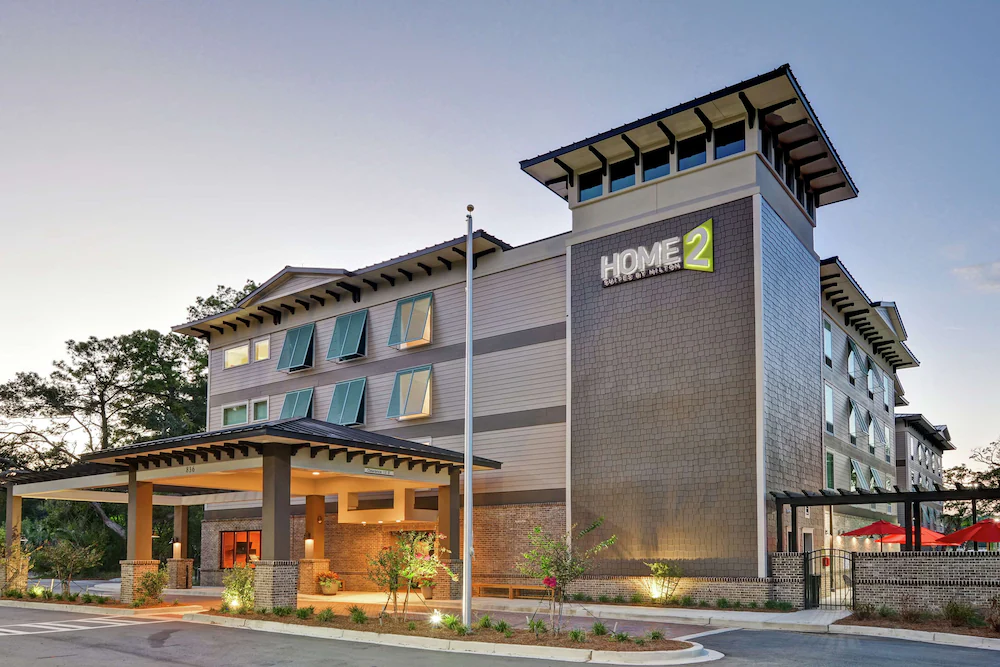
Home2 Suites
836 William Hilton Pkwy, Hilton Head Island, SC 29928, USA
Login to view our current rates & availability












Accommodation Information
Planning a room block at Home2 Suites by Hilton Hilton Head works best when the stay is treated like temporary housing, not a one-night stop. The suite-based format is the core advantage for groups because travelers get more space to store gear, keep food on hand, and maintain routines without relying on constant trips out for every meal or supply run. That structure supports groups in the 15 to 50+ range, especially when the roster includes mixed schedules and staggered arrival times.
Location decisions on Hilton Head usually come down to drive time, beach access, and how quickly people can reach groceries, pharmacies, and main island routes. A Home2-style property is typically positioned to make those basics easy, which reduces coordinator workload during the week. Fewer long detours means fewer late departures, fewer forgotten items, and fewer calls that start with “where do I go for” when the day is already tight.
Operations stay under control when arrivals are run like an intake plan. A finalized rooming list should be delivered ahead of time with full legal names, arrival dates, and planned checkout dates. Two onsite contacts should be named, one primary and one backup, and they should be the only people authorized to request room changes, extensions, or exceptions. For groups above 25, arrival waves keep the front desk from getting hit all at once, especially when multiple vehicles pull up with luggage and cooler bags. The first wave should include the onsite lead plus a few travelers who can absorb small hiccups, the middle waves handle the bulk of the roster, and the final wave covers late arrivals and special placement needs.
Billing pressure usually shows up at the desk as incidental holds, and that is where large group check-ins can stall. Engine.com’s Incidental Coverage is designed to remove the need for workers to use personal cards for incidental authorizations during arrival. With coverage set up for the booking, intake moves faster, personal funds stay out of the process, and the coordinator avoids the familiar late-night problem of one traveler holding up the line because they do not have a credit card available. It also reduces post-stay cleanup since fewer individual deposits and holds are floating around after checkout.
Routines are where this hotel format helps the most. Suite layouts commonly support basic food storage and simple meal prep, which makes it easier to standardize mornings and reduce the chaos of coordinating breakfast for a large roster. Groups that are working long days can stock essentials and keep meal timing flexible without defaulting to expensive, unplanned stops. Laundry access is another practical piece for multi-day stays, and it supports a weekly cadence that keeps people comfortable without last-minute supply runs. Short daily huddles, if needed, should be scheduled at one consistent time and placed in one defined spot so the property does not become a roaming meeting space.
Checkout should be managed like a controlled exit. A departure roster needs to be maintained throughout the stay, extensions should be confirmed at least two days before planned checkout, and travelers should have a clear deadline for reporting room issues while they are still onsite. That approach reduces disputes and prevents billing questions from turning into a long email chain after the group has already moved on. With Engine.com coordinating the booking and billing workflow, plus Incidental Coverage handling the most common check-in friction point, the goal is clean charge routing and minimal follow-up.
Key hotel features and amenities
-
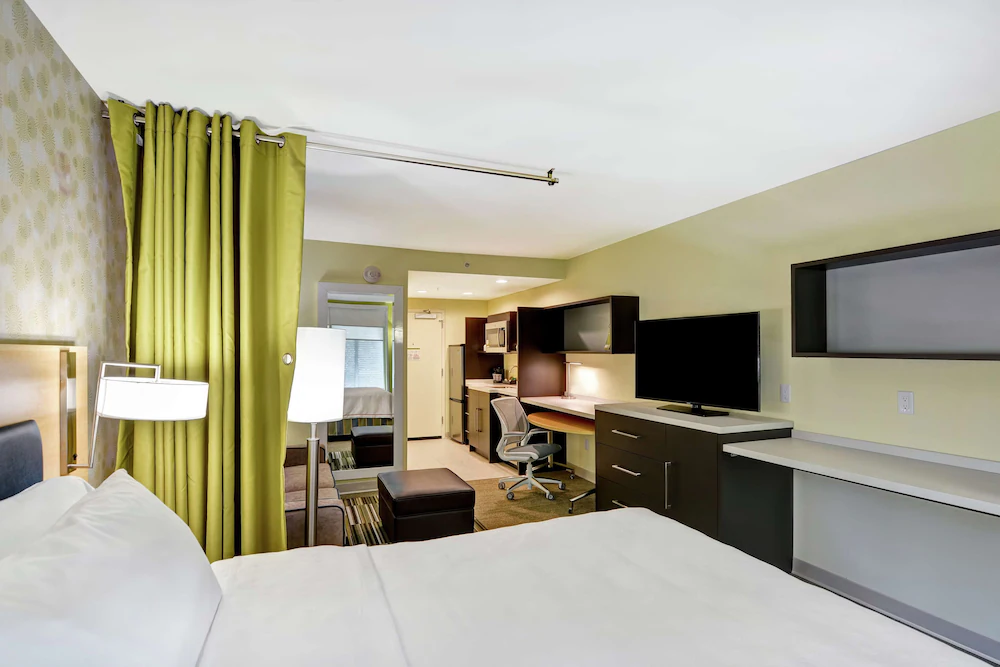
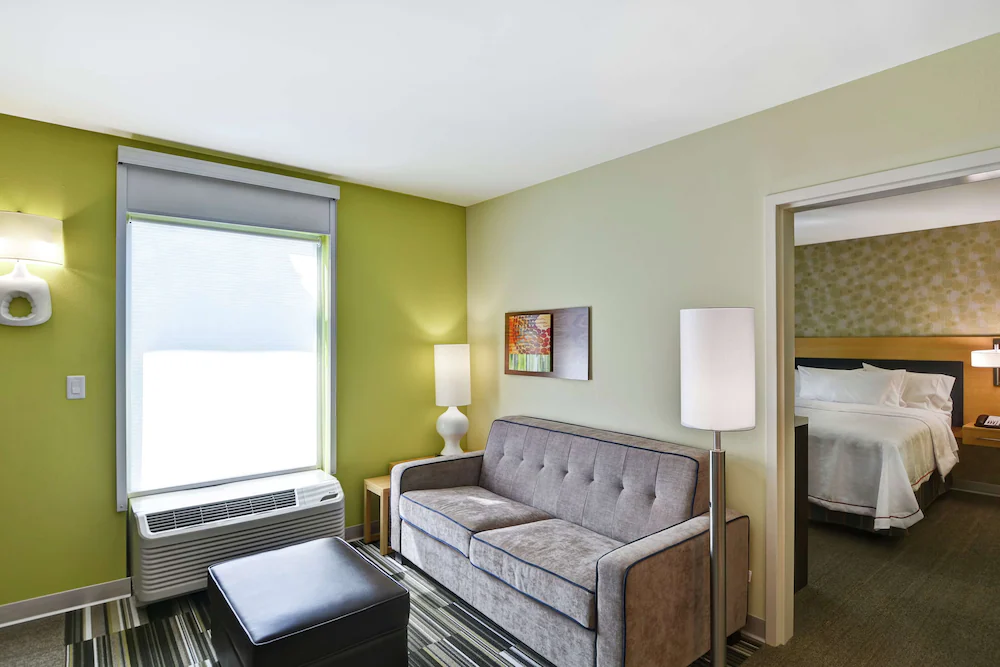
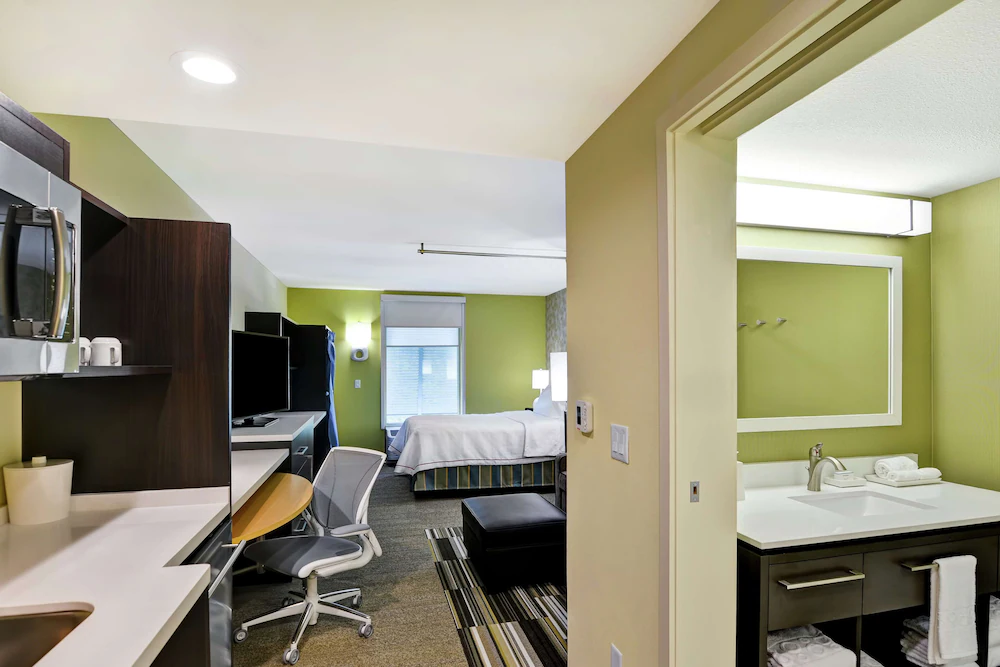
Suite-style rooms that support longer stays, with extra space for gear and a more practical daily setup
-
In-room kitchenettes commonly designed for basic meal prep and food storage, useful for early starts and late returns
-
Complimentary breakfast setup that can help standardize morning timing across a large roster
-
Wi-Fi suitable for scheduling updates, daily communication, and basic work needs
-
Laundry access that supports multi-day assignments and weekly routines
-
Fitness area that supports consistent routines between long workdays
-
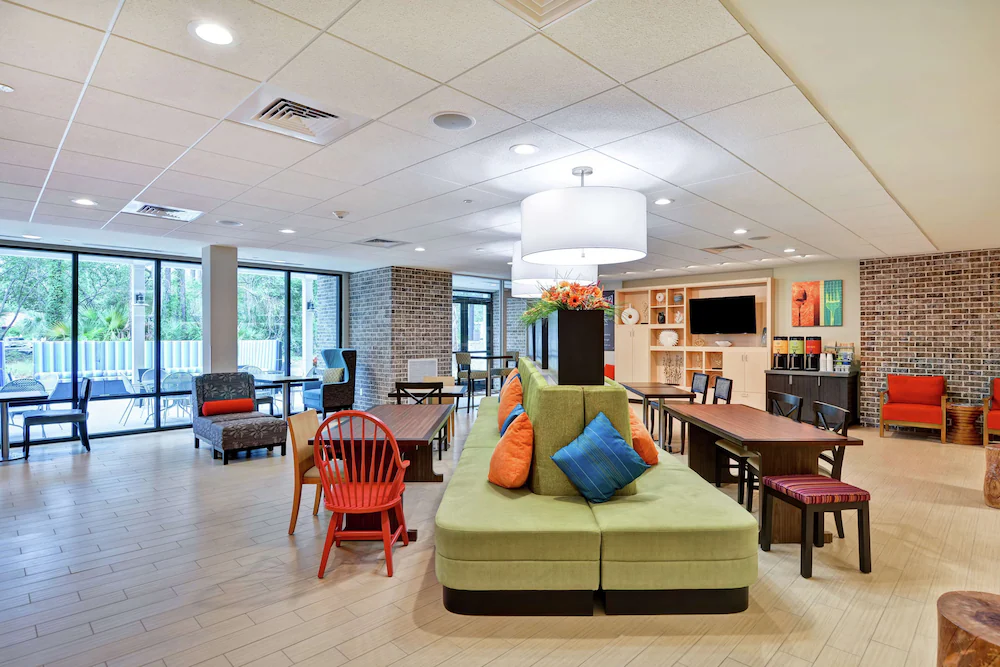
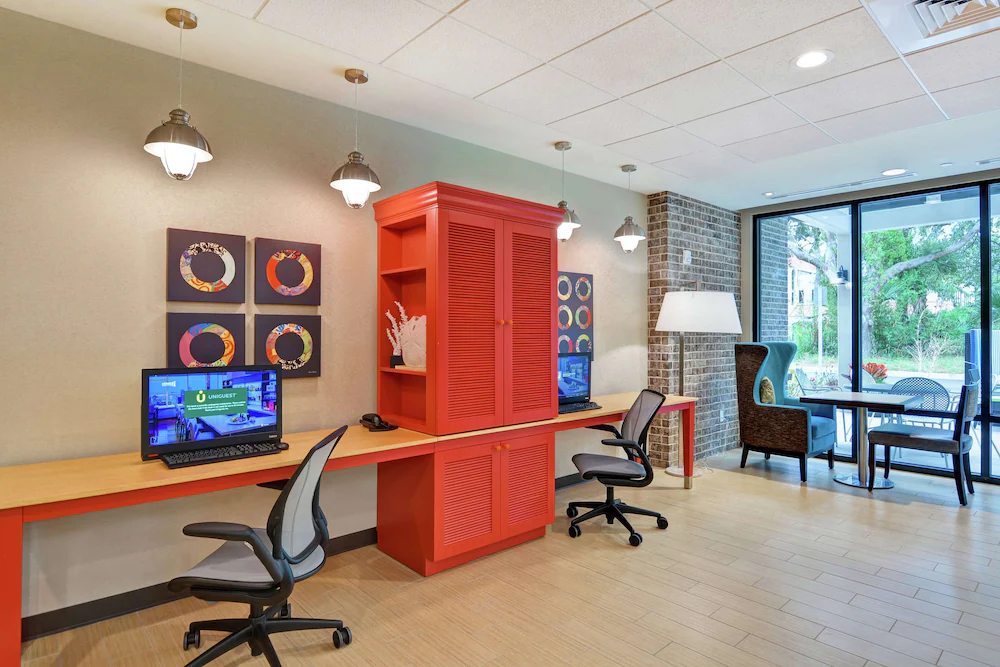
Common areas that can serve as a brief regroup point without pushing everyone into one room
Points of interest and attractions within a 2–3 mile radius
-
Hilton Head Island Airport area for arrivals, pickups, and a clear navigation reference point
-
Main island roadway corridors for quick access to errands, supplies, and cross-island routing
-
Grocery options for stocking breakfast basics, water, and snacks for suite-based stays
-
Pharmacy stops for prescriptions, toiletries, and routine travel needs
-
Beach access areas suitable for short downtime breaks when the schedule allows
-
Public parks and walking paths that work well for quick outdoor resets between long days
-
Quick-service dining clusters that can handle volume for late returns and fast meals
Features of interest to group travelers
-
Block planning that scales from 15 to 50+ by splitting travelers into pods with one lead per pod
-
Arrival-wave scheduling for larger rosters, grouped by vehicle, team, or shift to prevent front desk bottlenecks
-
Pre-submitted rooming list using full legal names to reduce desk time and avoid name-matching delays
-
Two-lead escalation model, one primary onsite contact and one backup, limiting who can request changes
-
Suite layouts that support shared occupancy planning and reduce pressure on common areas
-
Kitchenette-based meal strategy that lowers coordination overhead and supports irregular schedules
-
Laundry routine planning for longer stays, reducing last-minute errands and downtime loss
-
Engine.com Incidental Coverage so workers do not need personal cards for incidental holds, improving check-in speed and consistency
-
Checkout controls built around a departure roster, planned extensions, and early issue reporting to minimize post-stay cleanup
Lodging Location

 Hampton Inn Hilton Head
What is there more kindly than the feeling between host and guest?
- Login