
Group Booking Rates & Corporate Lodging
Group Booking Rates & Corporate Lodging
Hotel Riu Plaza
2500 Mason St, San Francisco, CA 94133, USA
Login to view our current rates & availability






Accommodation Information
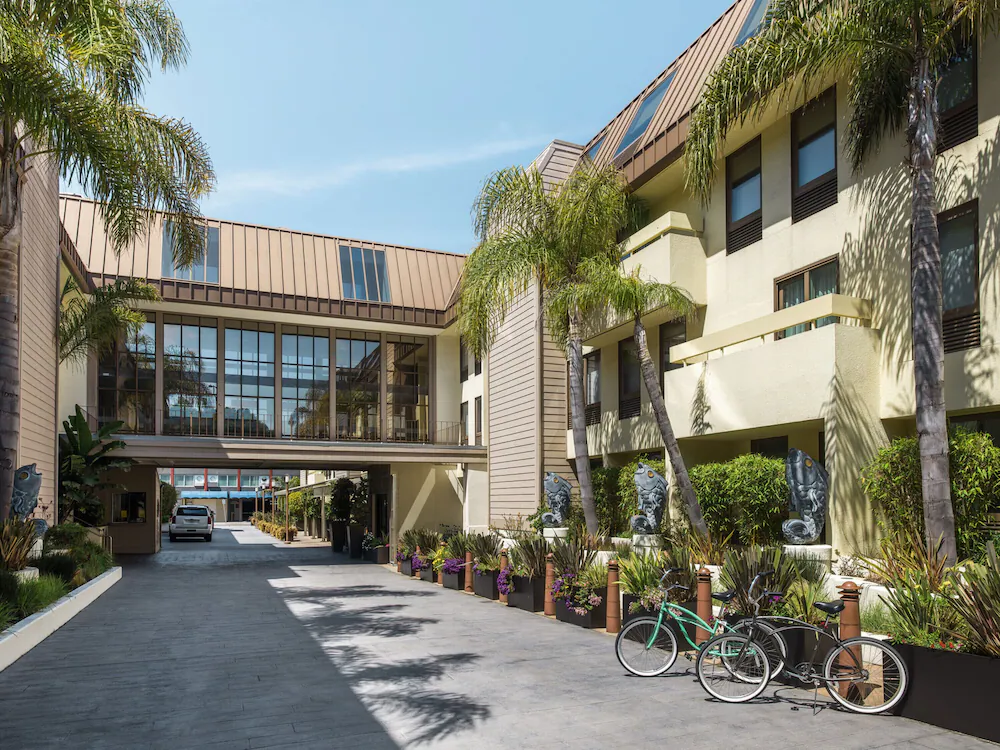
Set up as a large, full-service base near the waterfront, Hotel Riu Plaza Fisherman’s Wharf is built for high volume arrivals and big group waves. The location is the draw, because you can keep people close to Fisherman’s Wharf, Pier 39, and the north waterfront without relying on long rides across the city.
Running a 15 to 50+ person block here works best when you treat the stay like an intake process, not a casual flow of arrivals. Start by dividing the roster into pods of 8–15 travelers, then assign one lead per pod. That lead handles basic questions, late arrival coordination, and small issues, which keeps the front desk from getting hit with the same request over and over.
Before anyone travels, send a finalized rooming list to the property with full legal names, arrival dates, planned checkout dates, and only notes that change placement, such as accessibility needs or quiet placement for early risers. Next, designate two onsite contacts, one primary and one backup, and make it clear that only those two people can request swaps, extensions, or exceptions. This single rule prevents check-in from turning into a negotiation line.
For arrival day, schedule check-in windows in 20–30 minute blocks and group them by vehicle, flight, or shift. Use the first window for the primary lead plus a small set of flexible travelers who can absorb any hiccups without slowing down the main wave. Then run the bulk of the roster through the middle windows, and reserve the final window for late arrivals and anyone with special placement needs. Keep luggage moving by setting a simple expectation: keys first, rooms second, regroup later.
Billing is usually the biggest bottleneck for large check-ins, especially in a tourist corridor where incidental holds and authorizations can slow the desk down. Engine.com’s Incidental Coverage is designed to remove the need for workers to use personal cards for incidental holds at check-in. When coverage is set for the booking, the line moves faster, you avoid exceptions for travelers without a card available, and you reduce the cleanup that follows when individual holds create reimbursement questions after checkout.
During the stay, control comes from routine. Choose one daily update window, keep it short, and push changes through pod leads so you are not chasing individuals across the neighborhood. Put one default meet point in writing, and time-box group gatherings so common areas do not turn into an all-day staging zone. If the schedule includes early starts, publish a morning plan for who departs first, where carpools stage, and how the group communicates delays.
Parking and curb behavior need a plan too, because the Wharf area can be tight and unpredictable. Assign carpools, publish a driver list, and set a first-night unloading rule so vehicles are not idling while people figure out where to go. If most travelers are using rideshare, standardize one pickup and drop-off approach and instruct travelers to move inside quickly after arrival to avoid sidewalk congestion.
Checkout should be handled as a controlled exit with a roster. Maintain planned checkout dates, confirm extensions at least two days ahead, and set a hard deadline for reporting room issues while travelers are still onsite. When you close the loop early, the back office avoids a week of follow-ups about small disputes that could have been resolved in real time.
Key hotel features and amenities
-
Large, full-service hotel footprint designed to handle higher guest volume
-
Multiple common areas that help spread groups out between arrivals and daily meetups
-
Onsite breakfast service that can support a standardized morning routine for big rosters
-
Outdoor pool area that gives travelers an off-shift reset without leaving the property
-
Guest rooms geared toward short to mid-length stays, with a consistent, hotel-style layout
-
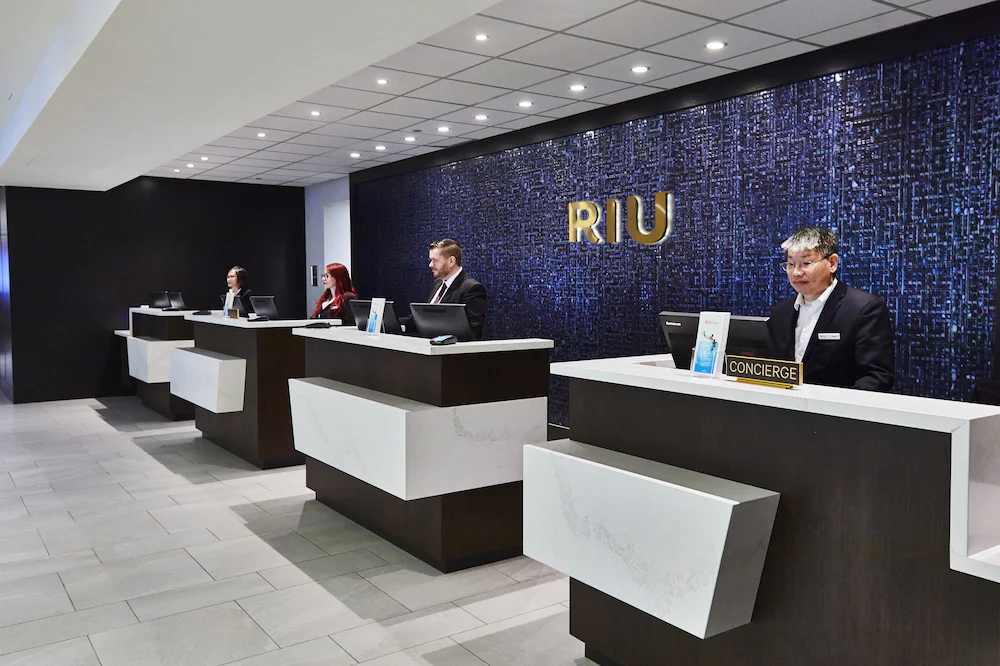
Front desk workflow that runs faster with pre-submitted rosters and staged arrival windows
-
Wi-Fi suitable for daily communication, schedule updates, and basic work needs
Points of interest and attractions within a 2–3 mile radius
-
Pier 39 for dining clusters, group meet points, and easy navigation landmarks
-
Ghirardelli Square for food options and a reliable rendezvous spot
-
Aquatic Park for a quick outdoor reset and waterfront walks
-
Fisherman’s Wharf promenade for short outings and simple wayfinding
-
Coit Tower area for a structured group stop and a recognizable landmark
-
North Beach for restaurants and evening meetups with short travel time
-
Embarcadero corridor for waterfront walks and access toward the Ferry Building
-
Lombard Street for a scheduled photo stop that is easy to plan in short windows
Features of interest to group travelers
-
Block planning that scales from 15 to 50+ by splitting travelers into pods with one lead per 8–15 people
-
Staggered check-in windows grouped by vehicle, flight, or shift to prevent lobby backups
-
Pre-submitted rooming list using full legal names to reduce desk time and avoid name-matching delays
-
Two-lead escalation model, one primary onsite contact and one backup, limiting who can request changes
-
Morning routine planning using breakfast timing, carpool staging, and one daily update window
-
Curb and arrival memo that standardizes unloading behavior and reduces sidewalk congestion
-
Engine.com Incidental Coverage so workers do not need personal cards for incidental holds, improving check-in speed and consistency
-
Checkout controls built around a departure roster, planned extensions confirmed early, and issue reporting deadlines to minimize post-stay cleanup
Lodging Location

 InterContinental Mark Hopkins
What is there more kindly than the feeling between host and guest?
- Login