
Group Booking Rates & Corporate Lodging
Group Booking Rates & Corporate Lodging
JW Marriott
400 S Collier Blvd, Marco Island, FL 34145, USA
Login to view our current rates & availability












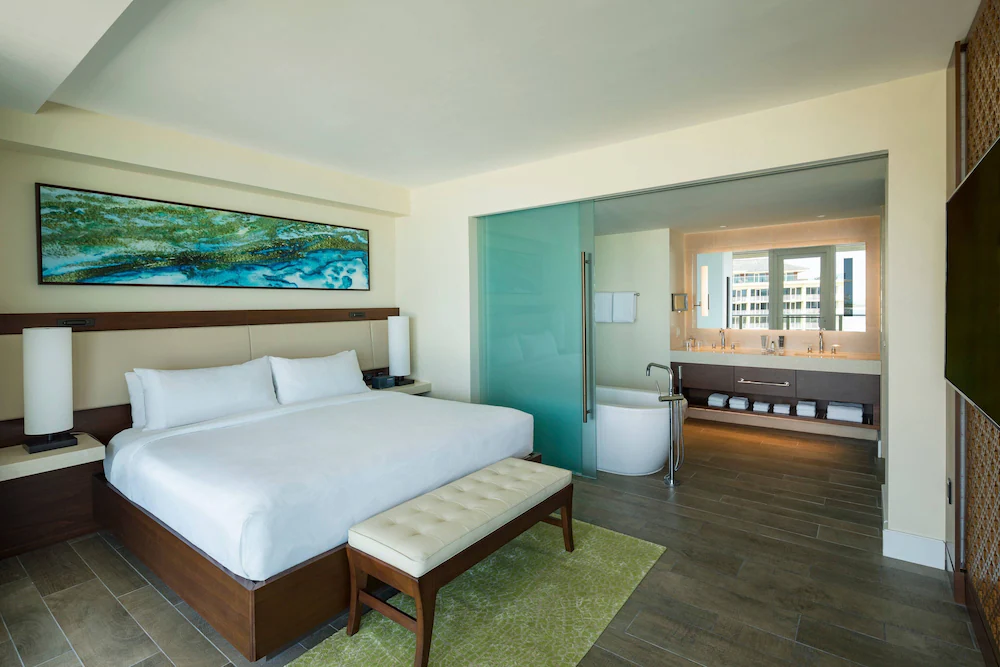


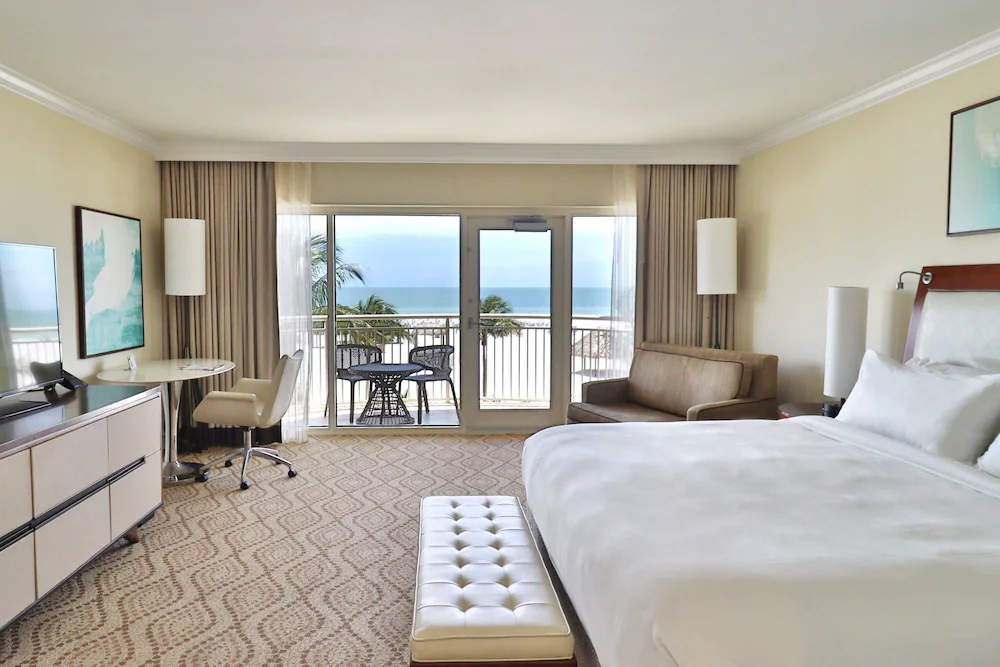


Accommodation Information
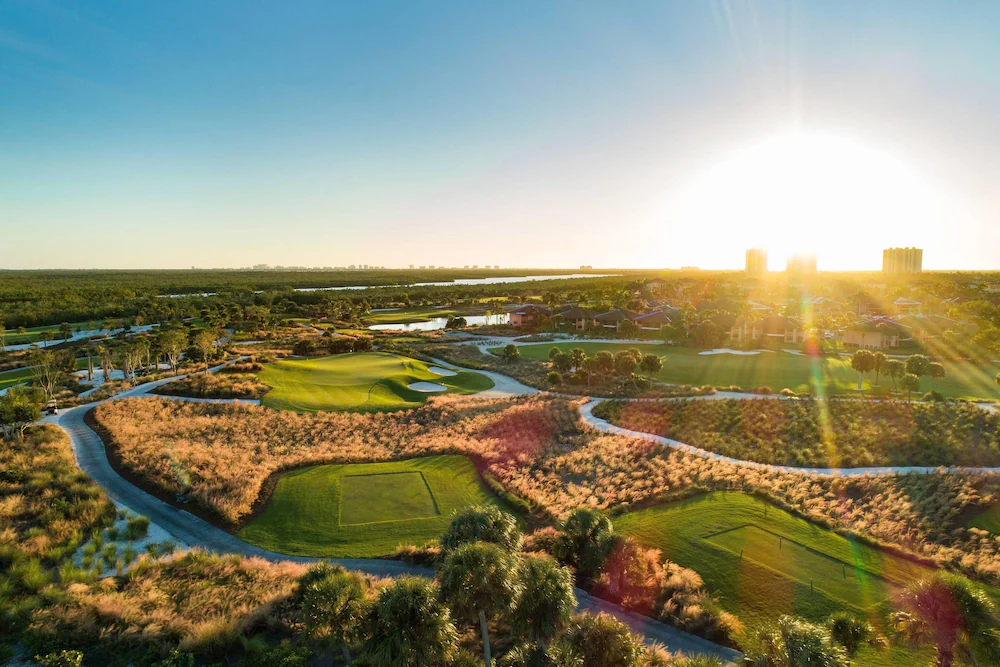
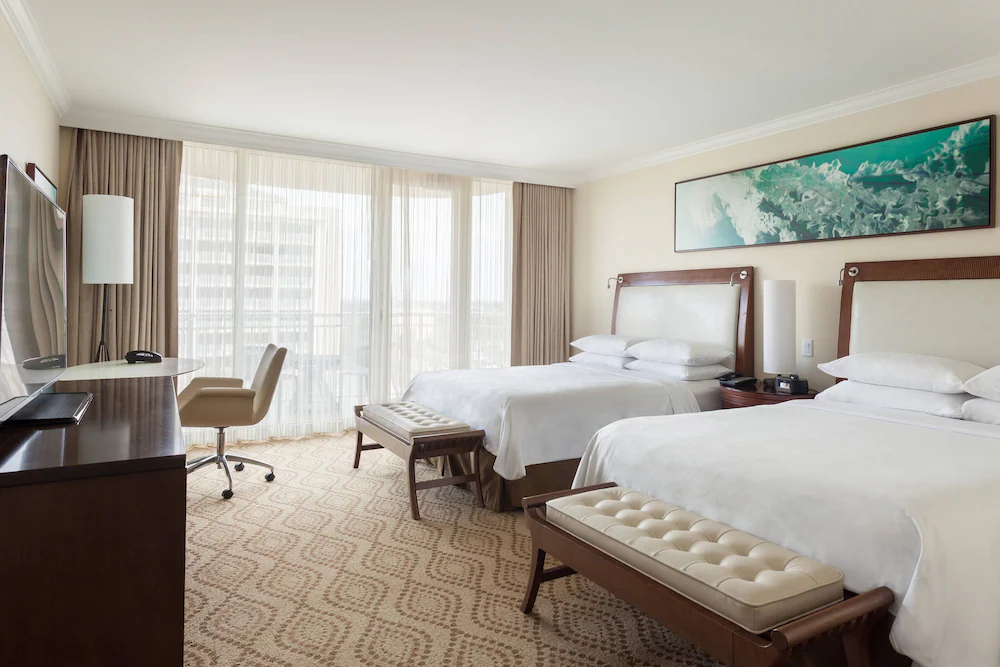
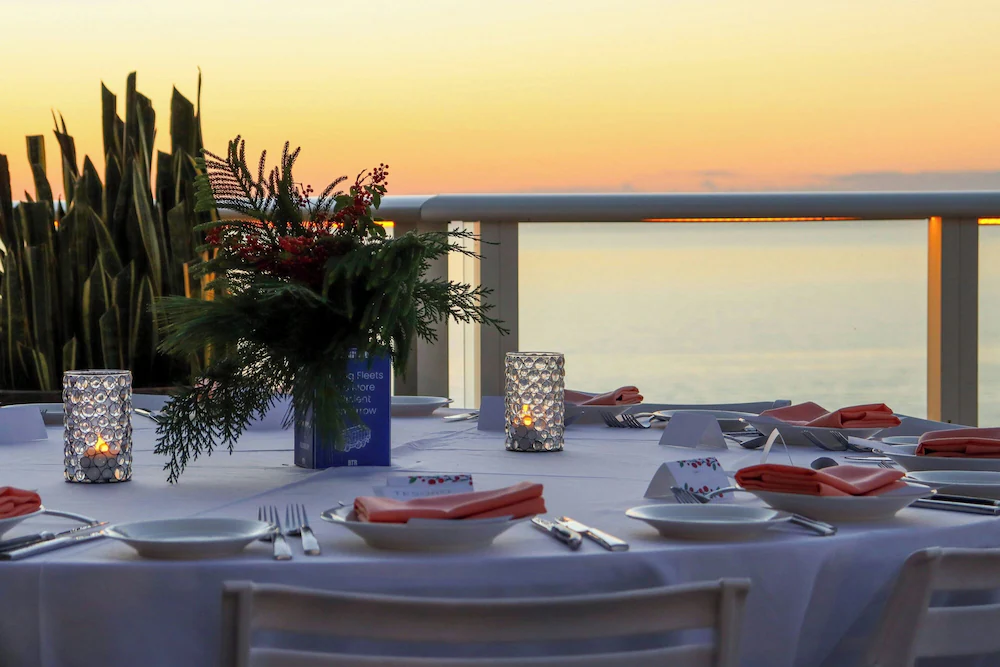
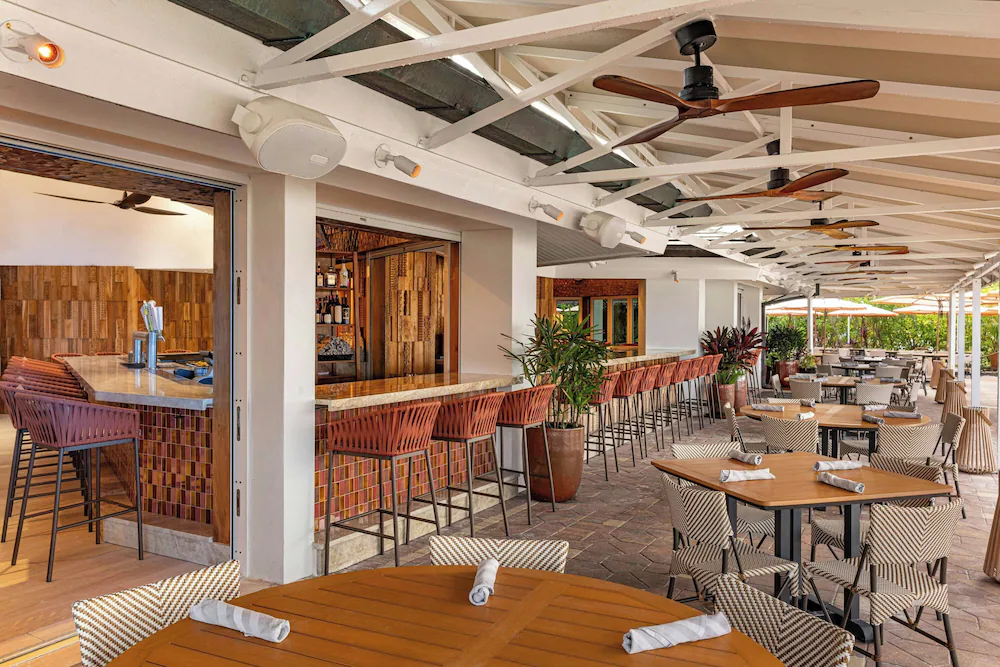
JW Marriott Marco Island Beach Resort is a beachfront, full-service resort that makes sense for larger groups when the priority is an on-property schedule with real meeting capacity and enough space to keep people from stacking up in the same hallway or lobby corner. The setting is high-end and event-ready, so it fits weddings, corporate retreats, incentive trips, and larger family blocks that want lodging, meals, and gathering space in one place.
Planning for 15 to 50+ people works best when the group is split into pods instead of treated like one crowd. Smaller blocks can stay cohesive with room proximity and a simple key pickup plan. Larger blocks run cleaner when each pod has a designated lead who handles minor questions, arrival timing, and small issues without sending everyone to the front desk. That structure matters more at a resort, where arrivals include luggage, beach gear, and people who will all ask the same “where do we go” questions if you let them.
Check-in should be managed as a controlled intake, not an open-ended flow. A finalized guest roster should be delivered ahead of time with full legal names, dates, and only notes that change placement, such as accessibility needs and quiet placement for early risers. Two onsite contacts should be assigned, one primary and one backup, and they should be the only people authorized to request room changes, extend stays, or approve exceptions. Everyone else follows one script: arrive in the assigned window, show ID, pick up keys, go to the room. Arrival waves help, especially when you are near 30–50+, because the lobby and elevators can bottleneck quickly if three vehicles unload at once.
Incidental holds are a common reason group arrivals slow down at resorts, since on-property dining and amenities can drive incidental activity. Engine.com’s Incidental Coverage is designed to keep workers from being required to use personal cards for incidental authorizations during check-in. That speeds up the line, keeps personal funds out of the process, and avoids the recurring problem where one person without a card stalls a whole arrival wave. It also reduces back-office cleanup tied to individual holds and reimbursement questions after the group departs.
Daily coordination is easier when the resort is treated as a scheduled campus. One morning update window, one consistent regroup point, and one clear plan for meals keeps the group from drifting into constant micro-coordination. If the trip is work-driven, protect quiet hours and standardize departure timing so early starts stay predictable. If the trip is event-driven, make gathering times specific and push all changes through pod leads so you do not end up chasing individuals across the property.
Checkout should be handled like a controlled exit. A departure roster needs to be maintained, extensions should be confirmed at least two days before planned checkout, and travelers should have a deadline for reporting room issues while they are still onsite. Clean departures reduce billing confusion, prevent last-day surprises, and keep follow-up from turning into a week of emails.
Key hotel features and amenities
-
Beachfront resort setting with multiple areas to spread out groups across the day
-
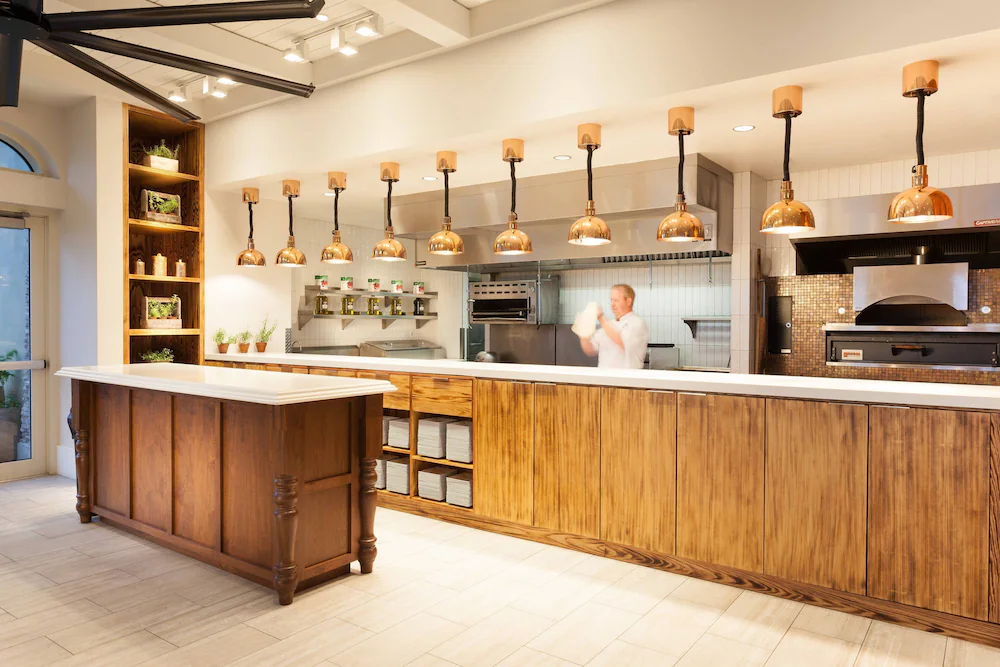
Full-service operations with onsite dining and coffee options that support structured schedules
-
Dedicated meeting and event spaces suitable for trainings, retreats, and wedding programming
-
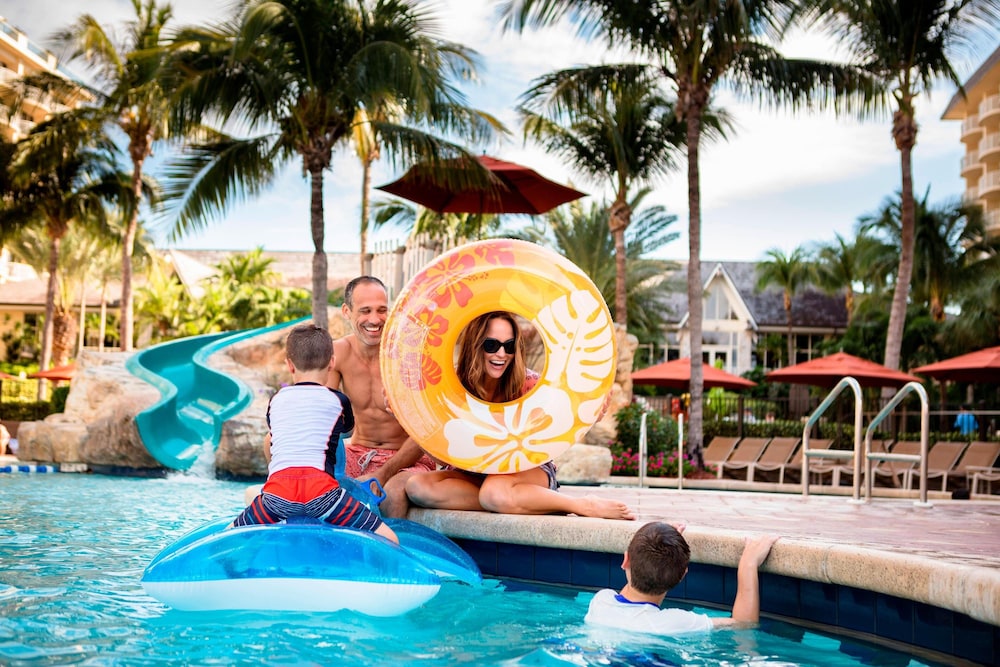
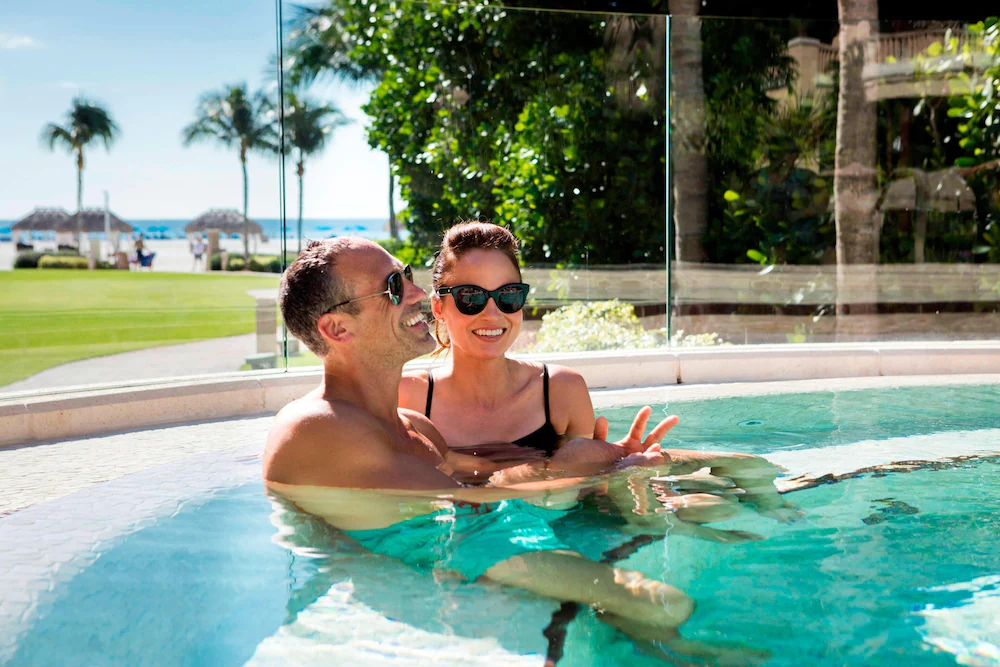
Pool and outdoor leisure areas that give groups controlled downtime without leaving the property
-
Spa and wellness facilities that fit retreat itineraries and multi-day stays
-
Fitness access that supports routine and recovery between long days
-
Front desk workflow that runs faster when rosters are pre-submitted and arrivals are scheduled
Points of interest and attractions within a 2–3 mile radius
-
Tigertail Beach for a quieter beach option and a recognizable local landmark
-
South Marco Beach area for additional shoreline access and simple meet points
-
Marco Island South Public Beach Access for quick entry to the beach corridor
-
Caxambas Park for marina views, a calmer outdoor reset, and fishing access
-
Marco Island Marina area for boat tours and scheduled water-based outings
-
Mackle Park for open space, courts, and a straightforward off-hours walk
-
Local grocery and pharmacy stops on the main Marco Island corridors for essentials and supplies
Features of interest to group travelers
-
Pod-based block structure for 15 to 50+ travelers, with one lead per 8–15 people to control questions and changes
-
Staggered arrival windows grouped by vehicle, team, or travel party to prevent lobby backups
-
Pre-arrival roster process using full legal names to reduce desk time and avoid name-matching delays
-
Two-lead escalation model, one primary onsite contact and one backup, limiting who can request swaps or extensions
-
Meeting and briefing space planning for scheduled sessions, with reservations made early to lock availability
-
Parking and unloading plan for carpools, shuttles, or vans, including first-night staging guidance to reduce curb congestion
-
Meal timing strategy that prevents large waves hitting the same outlet at once, especially on early-start mornings
-
Engine.com Incidental Coverage so travelers do not need personal cards for incidental holds, improving check-in speed and consistency
-
Checkout controls built around a departure roster, planned extensions confirmed early, and issue reporting deadlines to minimize post-stay cleanup
Lodging Location

 LaPlaya Beach & Golf Resort
What is there more kindly than the feeling between host and guest?
- Login