
Group Booking Rates & Corporate Lodging
Group Booking Rates & Corporate Lodging
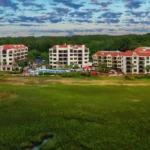
Barony Beach Club
5 Grasslawn Ave, Hilton Head Island, SC 29928, USA
Login to view our current rates & availability













Accommodation Information
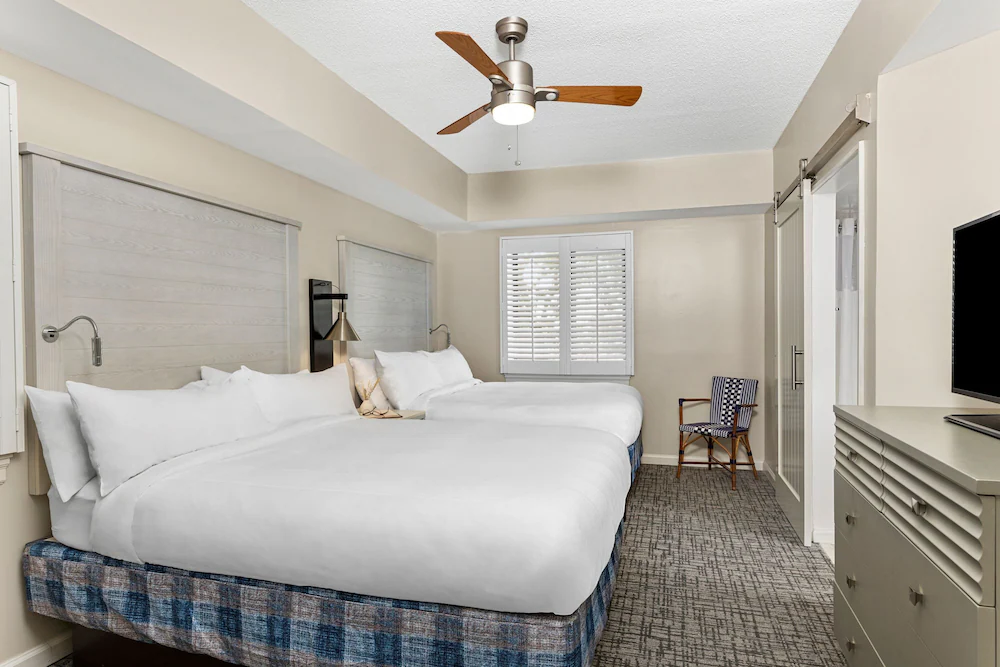
Marriott’s Barony Beach Club fits groups best when you need villa-style space and a resort campus that can absorb a lot of people without forcing everyone into the same hallway routine. The units function more like condos than standard hotel rooms, which changes how you plan meals, downtime, and roommate pairings. For a 15 to 50+ person block, that extra living space is the main operational advantage because it reduces crowding and gives each pod a place to regroup without occupying public areas.
Planning the block starts with pod design, not headcount alone. Groups in the 15–25 range can often be kept tight, with families or teams placed near each other and a small buffer held for late adds or extensions. Once you are planning 30–50+, the most stable approach is splitting the roster into pods of 8–15 and assigning one lead per pod. Each lead becomes the single point of contact for questions, key issues, and last-minute swaps, which keeps the front desk from getting pulled into internal decisions.
Check-in should be treated like a controlled intake instead of an open-ended arrival. A finalized guest roster needs to be delivered ahead of time with full legal names, planned departure dates, and any placement notes that actually change outcomes, such as accessibility needs or quiet placement for early risers. Two onsite contacts should be named, one primary and one backup, and they are the only people authorized to request unit changes, extend stays, or fix exceptions. Everyone else follows one script: arrive during the assigned slot, show ID, pick up keys, go straight to the villa. If you let 40 people arrive at once, you will get a lobby line and a lot of repeated questions.
Billing control is where big groups usually lose time, especially when incidental authorizations come up at the desk. Engine.com’s Incidental Coverage is the clean way to keep travelers from being required to use personal cards for incidental holds at check-in. That matters with mixed rosters, including younger travelers, seasonal staff, or anyone who does not want personal funds tied up for days. Coverage keeps intake consistent, reduces exceptions that block the line, and prevents the post-stay cleanup that happens when individual holds lead to reimbursement questions.
Rooming assignments work best when you build around function and sleep patterns. Leads, drivers, and early-start roles usually belong in single-occupancy setups when possible, because they need rest and they are the first people dealing with schedule changes. Shared occupancy should be paired intentionally by shift timing and noise tolerance, not convenience. Villas help here because pods can share common space while still keeping sleeping areas quieter, and that can reduce the number of mid-stay “we need a room change” requests.
Between shifts or events, the resort setting gives you multiple ways to spread people out without losing control of the plan. Instead of treating public areas as informal meeting space, define one regroup point and one daily update window, then keep it short. If you need structured time together, pick a consistent cadence and use a single pod lead system so updates flow down through the group without a coordinator chasing individuals. Villa kitchens also make meal planning simpler, since you can stock basics and reduce the pressure of coordinating every breakfast as a full-group activity.
Parking and movement should be addressed in writing before anyone arrives, because resort properties can have controlled access points, peak congestion during check-in, and more vehicle churn than a standard roadside hotel. Assign carpools, create a driver list, and decide who holds keys when drivers rotate. For gear-heavy groups, establish a luggage plan so you are not trying to stage bags in a lobby. A simple rule works well: pods unload, take bags to the unit, then move vehicles into the correct spots so curb space stays clear.
Checkout needs the same structure as arrival to protect the back office. Maintain a departure roster, confirm extensions at least two days before planned checkout, and set a deadline for reporting issues while travelers are still onsite. Villa-style stays can generate small incidental charges across pods, so the priority is clean charge routing and fast resolution of disputes before people leave the island. Engine.com supports the booking and billing workflow for the block, while Incidental Coverage reduces the biggest check-in friction point by keeping personal cards out of the hold process.
Key hotel features and amenities
-
Villa-style accommodations with separate living and sleeping areas, useful for pod-based stays
-
In-room kitchens that support group meal planning and reduce reliance on scheduled dining windows
-
In-unit laundry in many villa-style setups, helpful for multi-day assignments and tournaments
-
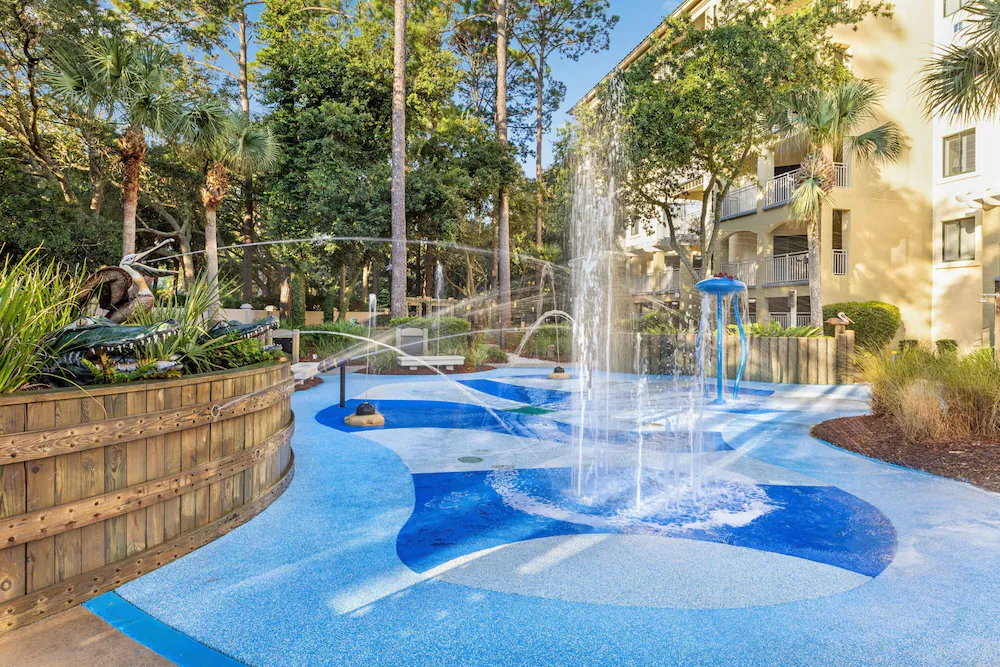
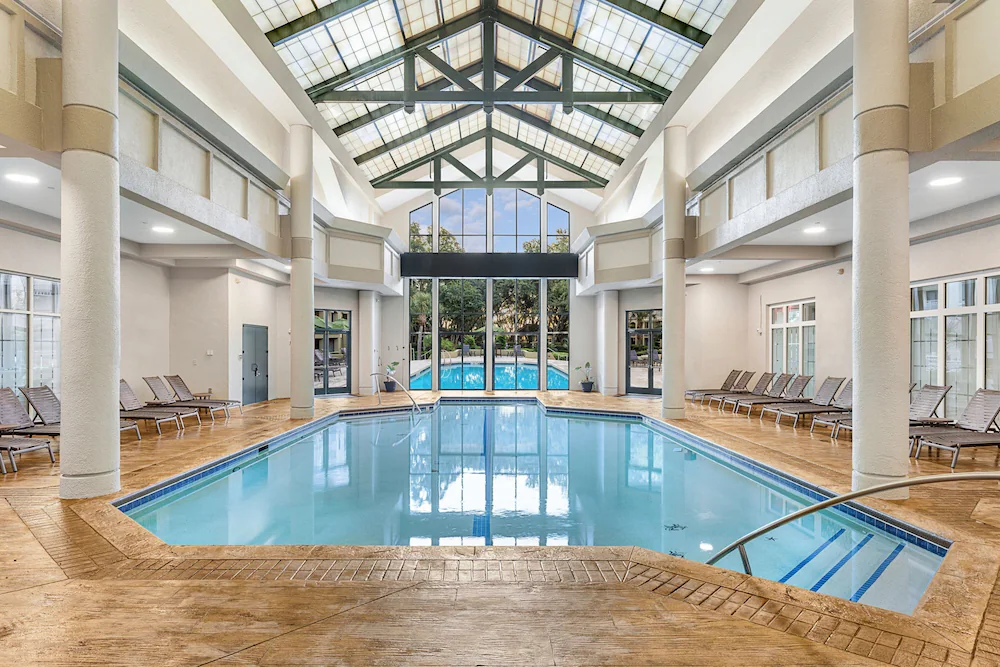
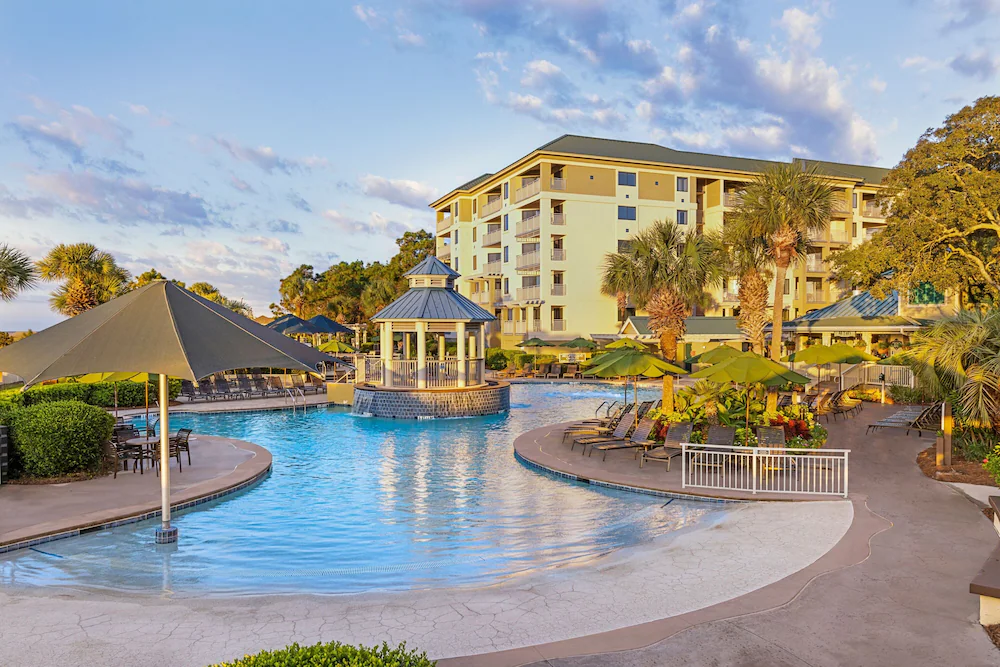
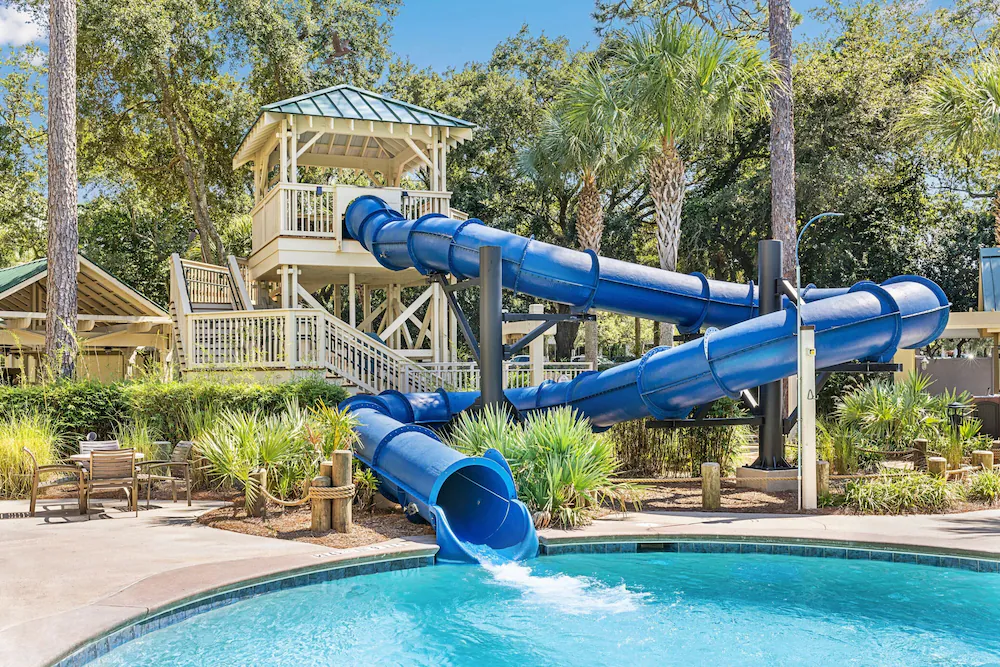
Multiple pools and outdoor lounging areas that spread groups out across the campus
-
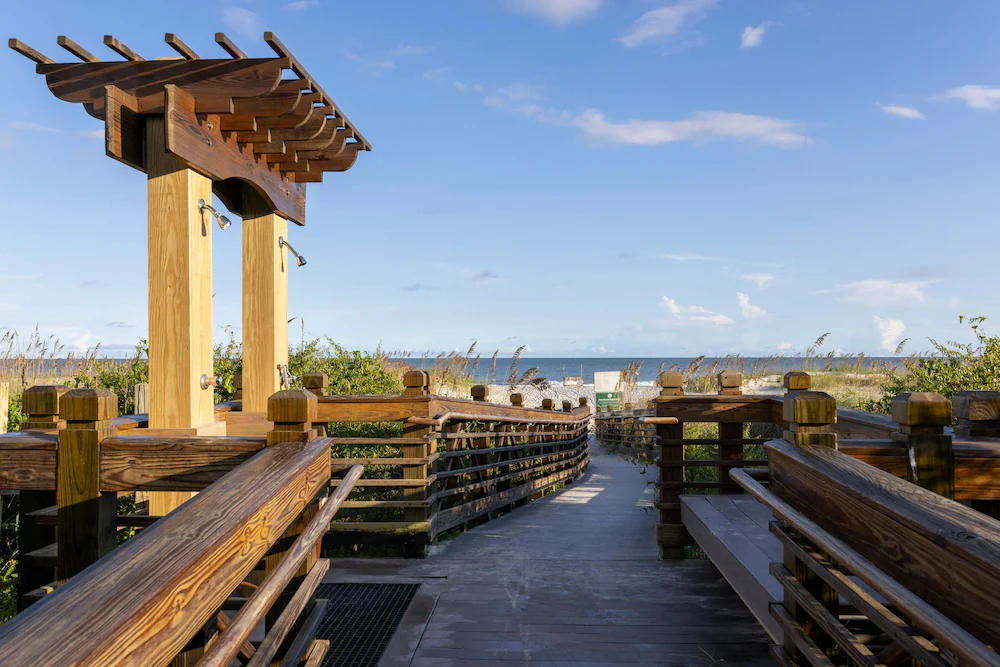
Beach access integrated into the property footprint, simplifying shoreline schedules
-
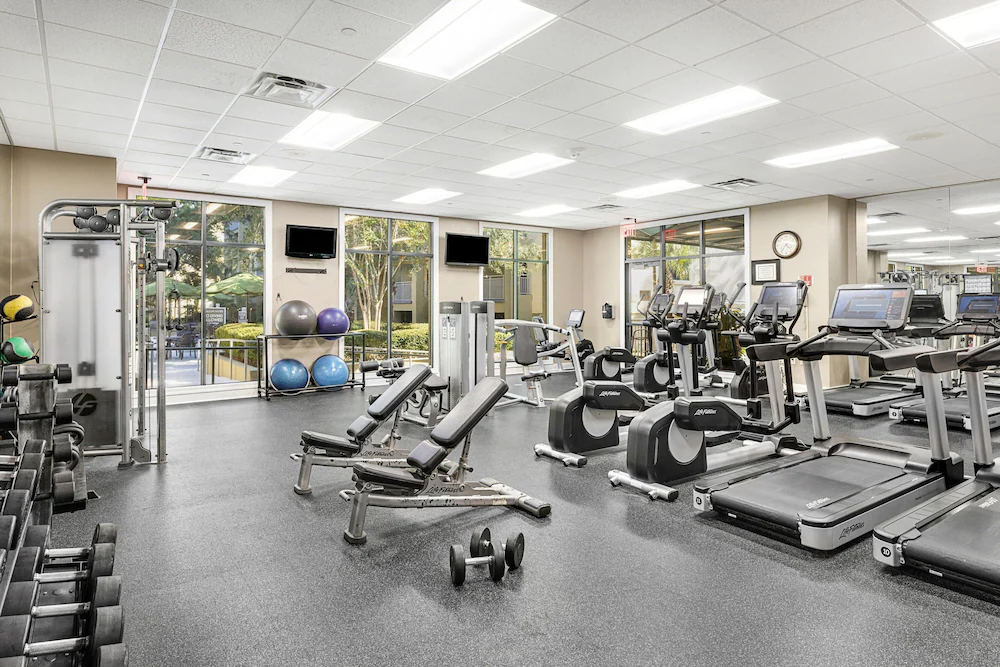
Fitness facilities and recreation options that support consistent routines between long days
-
Front desk operations that run smoother with pre-submitted rosters and controlled arrival slots
Points of interest and attractions within a 2–3 mile radius
-
Folly Field Beach access area for additional shoreline entry and clear navigation waypoints
-
Chaplin Community Park for outdoor breaks, walking paths, and open space for casual group time
-
Port Royal Golf and racquet facilities in the north island area for scheduled outings and practice time
-
Hilton Head Island Airport area for pickups, drop-offs, and simple routing references
-
Nearby grocery and convenience corridors for stocking breakfast basics, water, and snacks
-
Pharmacy stops for prescriptions, toiletries, and routine travel needs
-
Quick-service dining clusters along the main north-island roads for late returns and fast meals
Features of interest to group travelers
-
Block planning that scales from 15 to 50+ by splitting travelers into pods with a lead per pod
-
Controlled intake using staggered arrival slots, grouped by vehicle, team, or shift to prevent bottlenecks
-
Pre-submitted guest roster using full legal names to reduce desk time and avoid name-matching delays
-
Two-lead escalation model, one primary onsite contact and one backup, limiting who can request changes
-
Villa layouts that support shared occupancy without forcing all downtime into public spaces
-
Kitchen-based meal strategy for groups that need predictable mornings and lower coordination overhead
-
Parking plan for carpools and larger vehicles, including first-night unloading guidance and driver assignments
-
Engine.com Incidental Coverage so workers do not need personal cards for incidental holds, keeping check-in consistent and faster
-
Checkout controls built around a departure roster, planned extensions, and early issue reporting to minimize post-stay cleanup
Lodging Location

 Harbour & Sunset Point
What is there more kindly than the feeling between host and guest?
- Login