
Group Booking Rates & Corporate Lodging
Group Booking Rates & Corporate Lodging
Montage Palmetto Bluff
477 Mt Pelia Rd, Bluffton, SC 29910, USA
Login to view our current rates & availability











Accommodation Information
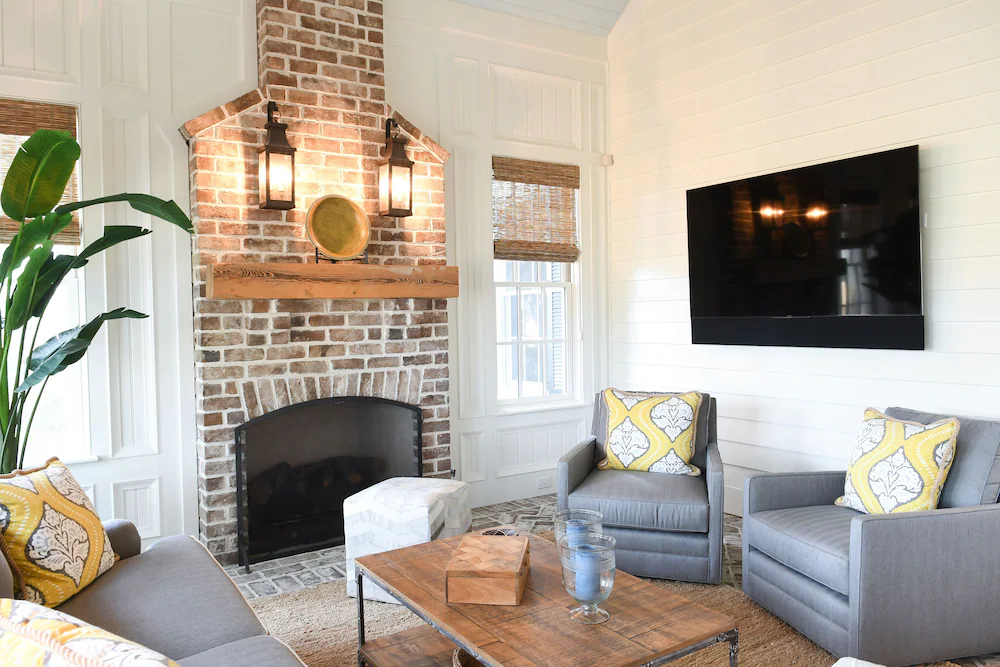
Montage Palmetto Bluff is a luxury resort campus that functions as a full-scale wedding and event venue, with lodging spread across an expansive Lowcountry setting. Groups of 15 to 50+ fit here when the trip is treated as a coordinated arrival and a scheduled itinerary, not a casual check-in. The property’s strengths are space, privacy, and built-in venues, which makes it well-suited for multi-day wedding groups, corporate gatherings, and high-touch retreats that need both accommodations and programmed time together.
From a room block perspective, the best approach is pod-based planning. Smaller groups can be clustered by floor, building area, or travel party so the stay feels cohesive. Larger rosters work better when they are split into pods of 8–15, each with one lead who funnels questions and changes. That structure keeps the front desk from being asked the same question thirty times and it helps the group move across a large property without confusion.
Arrival logistics need extra attention here because a luxury resort often has valet patterns, bell support, and multiple activity zones. Staggering intake prevents a lobby backup and reduces luggage congestion. I schedule arrivals in 20 to 30 minute windows and group travelers by vehicle, family unit, or team. The first wave includes the onsite lead plus a few flexible travelers who can handle minor adjustments without slowing the main group. The middle waves cover the bulk of the roster, and the final wave is reserved for late arrivals and special placement needs.
Roster discipline is what makes the check-in process predictable. A finalized rooming list should be delivered ahead of time with full legal names, arrival dates, planned checkout dates, and notes that actually impact placement. Two onsite contacts should be designated, one primary and one backup, and they should be the only people authorized to request room changes, extensions, or exceptions. Everyone else follows one instruction set: arrive during the assigned slot, show ID, pick up keys, go to room.
Incidental holds can become the biggest bottleneck at a resort property, especially when travelers are tired and the desk is trying to process a line. Engine.com’s Incidental Coverage is the clean fix when you want to keep personal cards out of the arrival process. With coverage configured for the booking, workers are not required to use personal cards for incidental authorizations at check-in. That speeds up intake, removes the “who has a card” issue, and reduces post-stay cleanup tied to individual deposits and reimbursement questions.
Daily coordination works best when you set a simple rhythm and stick to it. Resort campuses encourage people to drift into different meal times and different activity loops, which is fine until you need everyone in the same place at the same time. One morning update window, one defined regroup location, and a written plan for meetings and transportation will cut down on confusion. If the group needs structured gatherings, reserving dedicated event space early is important, and it prevents last-minute scrambling for a private area.
Parking and vehicle flow should be addressed in writing before day one. If the group is arriving in vans, shuttles, or buses, define a staging plan for unloading so you are not improvising curbside. Assign a driver list, set rules for who holds keys, and clarify where vehicles should be left during peak arrival windows. That single step prevents congestion and reduces the number of calls that start with “where do I park.”
Checkout is easier when it is treated as a controlled exit. Maintain a departure roster throughout the stay, confirm extensions at least two days ahead, and set a deadline for reporting room issues while travelers are still onsite. Folio questions are faster to resolve when staff can verify details in real time. With Engine.com coordinating the booking and billing workflow, plus Incidental Coverage handling the most common check-in friction point, the end goal is clean charge routing and fewer post-trip surprises.
Key hotel features and amenities
-
Luxury resort environment with multiple lodging areas, supporting privacy and group clustering
-
High-touch front desk and bell services that work best with pre-arrival rosters and scheduled intake windows
-
Onsite dining options that support programmed meals and flexible schedules across multi-day stays
-
Spa and wellness facilities that fit retreat-style itineraries and wedding weekend downtime
-
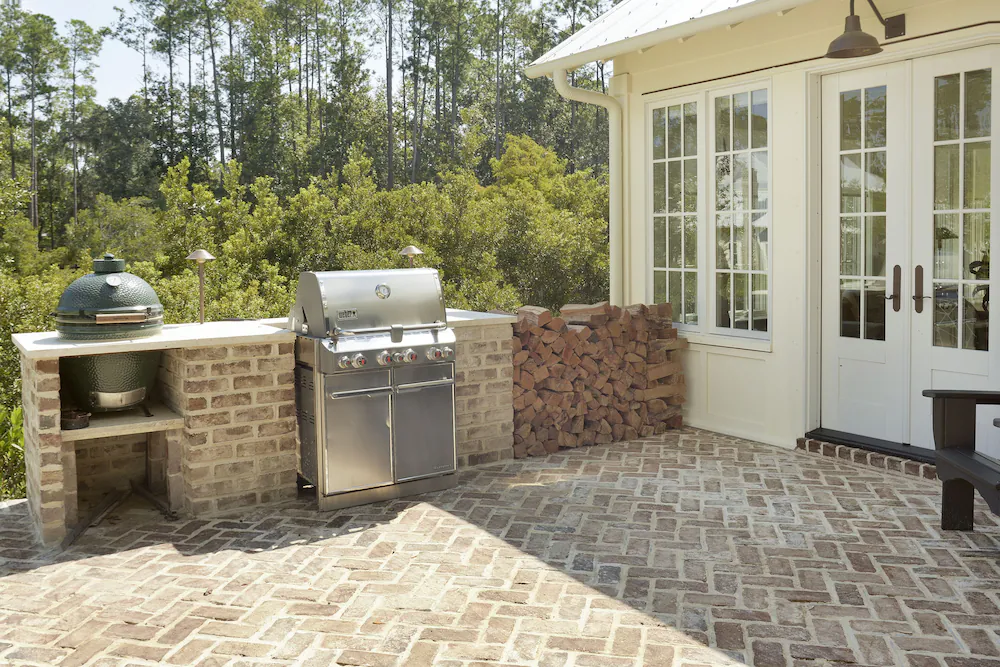
Multiple outdoor spaces suitable for ceremonies, receptions, and group gatherings
-
Fitness access and recreation options that support routine and recovery between long days
-
Resort-style common areas that can be used as controlled regroup points when a meeting room is not required
Points of interest and attractions within a 2–3 mile radius
-
Wilson Village areas on the Palmetto Bluff campus for dining, gathering, and planned meetups
-
Moreland Village zones for additional resort amenities and activity scheduling
-
May River shoreline access for scheduled outdoor time and water-based activities
-
Conservancy trails and natural areas for group walks and quiet downtime blocks
-
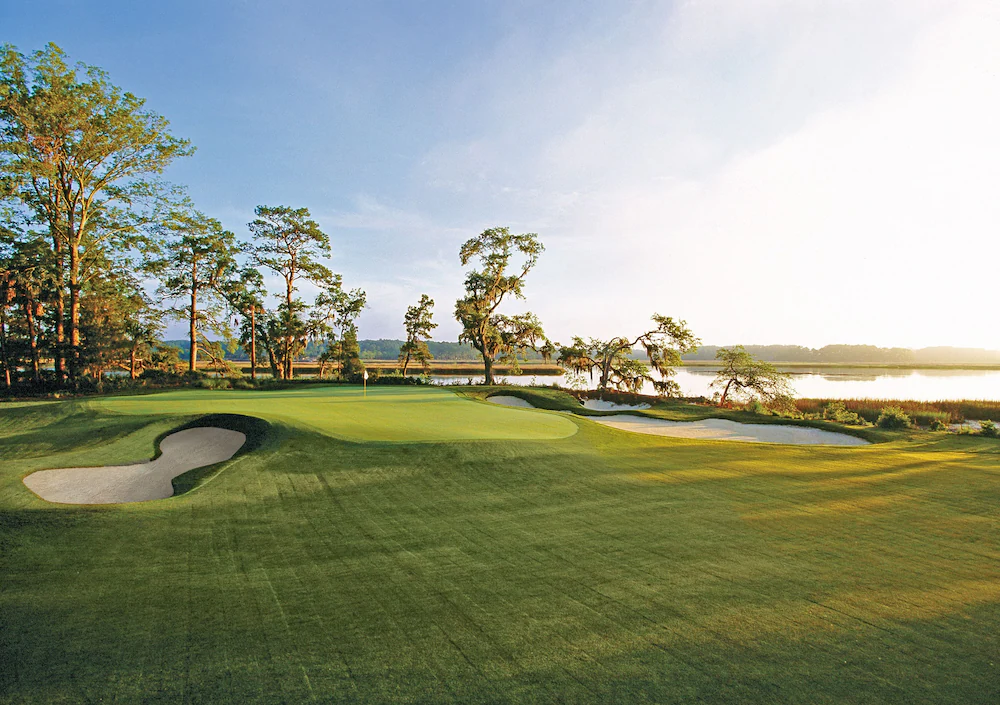
Golf facilities on the property footprint for organized outings and tournament-style scheduling
-
Equestrian and outdoor recreation zones for structured activities that keep groups on-property
-
Marina and boat activity points on the immediate resort campus for planned excursions
Features of interest to group travelers
-
Block planning that scales from 15 to 50+ by splitting travelers into pods with one lead per pod
-
Staggered arrival windows grouped by vehicle or travel party to prevent front desk bottlenecks
-
Pre-submitted rooming list using full legal names to reduce desk time and avoid name-matching delays
-
Two-lead escalation model, one primary onsite contact and one backup, limiting who can request changes
-
Clear transportation and staging plans for vans, shuttles, or buses to keep curbside flow under control
-
Event and meeting space planning for scheduled sessions, with early reservations to avoid last-minute gaps
-
Parking guidance and driver assignment rules to reduce day-one confusion and nightly congestion
-
Engine.com Incidental Coverage so travelers do not need personal cards for incidental holds, improving check-in speed and consistency
-
Checkout controls built around a departure roster, planned extensions, and early issue reporting to minimize post-stay cleanup
Lodging Location

 Bluewater Resort & Marina
What is there more kindly than the feeling between host and guest?
- Login