
Group Booking Rates & Corporate Lodging
Group Booking Rates & Corporate Lodging
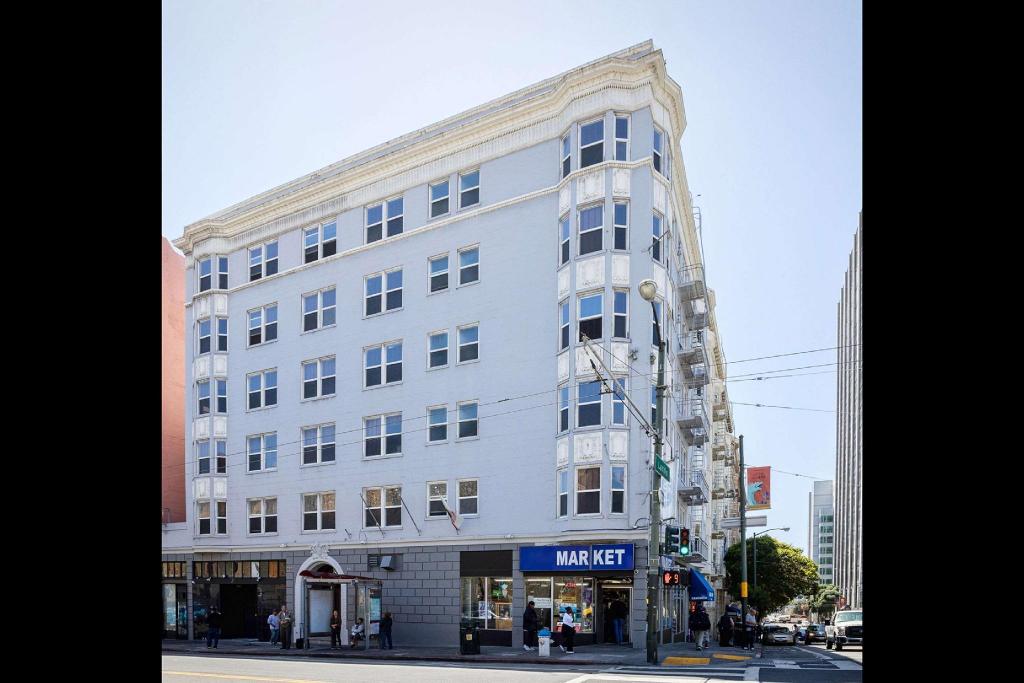
Motel 6 Civic Center
587 Eddy St, San Francisco, CA 94109, USA
Login to view our current rates & availability








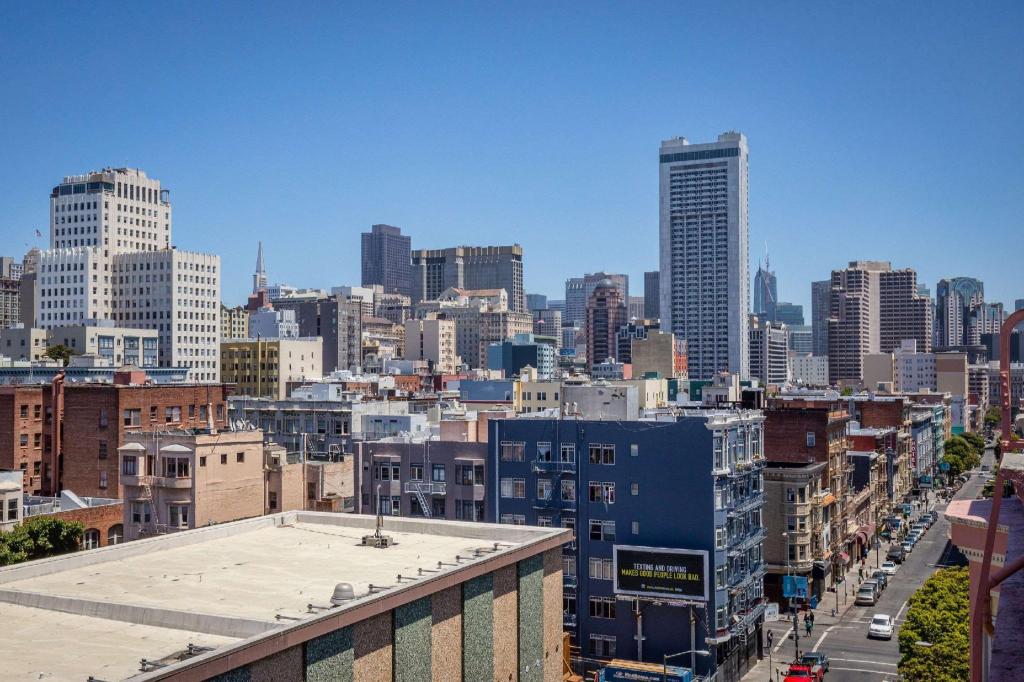

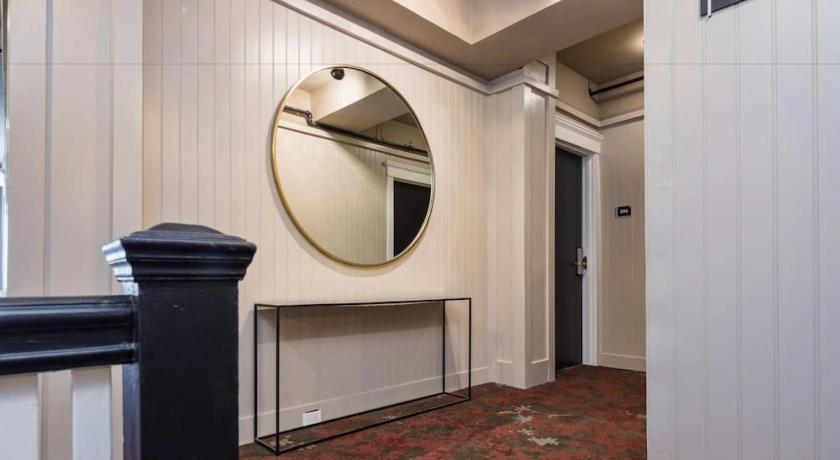
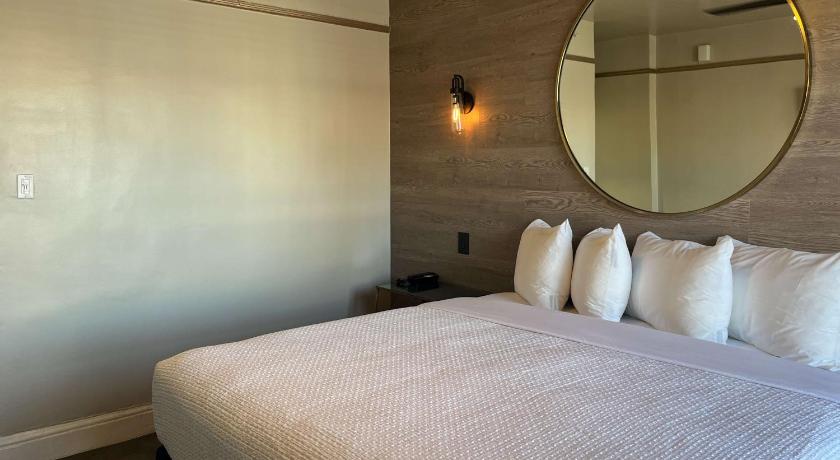


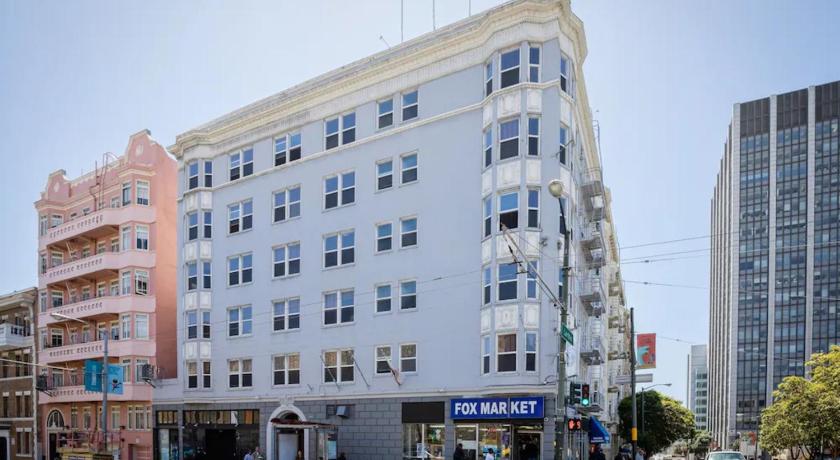
Accommodation Information
Downtown logistics are the main reason to choose Motel 6 San Francisco, CA – Civic Center for a large room block. This is a no-frills, budget-forward property that works when your priority is keeping heads in beds near the Civic Center corridor, with fast access to transit, venues, and the central street grid.
From a coordinator’s perspective, the playbook here is about setting expectations early. Rooms are designed for simple overnight resets, not long hangouts or on-property programming. That can be an advantage for crews, teams, and groups who will spend most of the day offsite and only need a reliable place to sleep, shower, and move out again without extra steps.
Next, build your 15 to 50+ person plan around controlled flow rather than proximity alone. With a smaller, city-center motel footprint, you want arrival waves instead of a single surge that overwhelms the desk and blocks the entry with luggage. I typically split the roster into pods of 8–15, assign one lead per pod, then schedule arrivals in 20–30 minute windows grouped by vehicle or shift. The first wave includes the primary lead plus a few flexible travelers who can absorb small issues without slowing everyone else.
Before anyone shows up, the front desk needs a clean rooming list with full legal names, arrival dates, and planned checkout dates. Two onsite contacts should be designated, one primary and one backup, and those two people are the only ones who request swaps, extensions, or exceptions. Everyone else follows one simple instruction: arrive in your assigned window, present ID, pick up keys, go straight to the room. That rule prevents the desk from getting pulled into internal group decisions.
Incidental holds are the most common reason budget properties get backed up during check-in, especially when arrivals happen late at night. Engine.com’s Incidental Coverage is built for this friction point: it removes the need for workers to use personal cards for incidental authorizations at check-in. Practically, that keeps the line moving, avoids awkward exceptions when someone does not have a card available, and reduces back-office cleanup tied to individual holds and reimbursement questions after checkout.
Meanwhile, city-center movement needs its own plan. Parking can be constrained and street conditions change block by block, so I assume not everyone will drive, even if a few vans or supervisor vehicles do. If the group is arriving by car, assign carpools, define a first-night unloading rule, and make sure drivers know exactly when to circle, when to unload, and when to move vehicles out of the way. If most travelers are arriving by rideshare or transit, the arrival memo should include a clear pickup and drop-off approach so people are not clustering on the sidewalk with bags.
Finally, checkout should be treated as a controlled exit. Maintain a departure roster, confirm extensions at least two days ahead, and set a hard deadline for reporting issues while travelers are still onsite. In a dense urban hotel zone, small misunderstandings turn into time drains fast, so the goal is clean folios, clear responsibility, and minimal post-stay follow-up.
Key hotel features and amenities
-
Budget motel positioning focused on straightforward stays and quick turnover
-
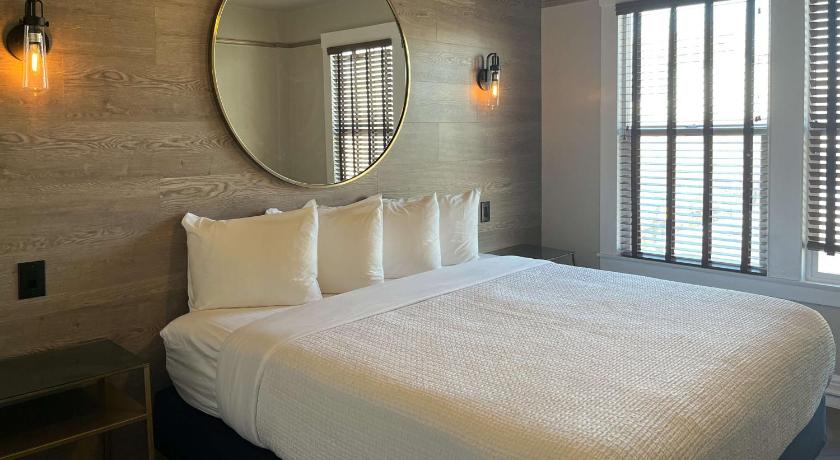
Basic guest room setup geared toward sleep and reset rather than extended in-room living
-
Front desk workflow that runs smoother with a pre-submitted rooming list and arrival windows
-
Wi-Fi that supports daily communication, schedule updates, and basic work needs
-
Simplified common areas that work best for short meetups, not long gatherings
-
Central access to the Civic Center area street grid and nearby transit corridors
-
Policies and deposits that typically require clear pre-communication for large groups
Points of interest and attractions within a 2–3 mile radius
-
San Francisco City Hall and the Civic Center Plaza area
-
Bill Graham Civic Auditorium for concerts and large events
-
War Memorial Opera House and nearby performing arts venues
-
Davies Symphony Hall for scheduled programs and evening plans
-
Asian Art Museum for a structured off-hours activity
-
Hayes Valley for dining clusters and quick group meals
-
Union Square shopping and dining corridor for meet points and errands
-
The eastern edge of Golden Gate Park for outdoor breaks and walking routes
-
Alamo Square area for a short reset and a recognizable landmark zone
Features of interest to group travelers
-
Room block structure that scales from 15 to 50+ by splitting travelers into pods with a lead per pod
-
Staggered check-in windows grouped by vehicle, team, or shift to prevent desk bottlenecks
-
Pre-submitted rooming list using full legal names to reduce name-matching delays
-
Two-lead escalation model, one primary onsite contact and one backup, limiting who can request changes
-
Parking and curbside staging plan for carpools, vans, and unloading so arrivals stay orderly
-
Transit-friendly location planning, with an arrival memo that standardizes how people enter and exit the area
-
Engine.com Incidental Coverage so workers do not need personal cards for incidental holds, improving check-in speed and consistency
-
Checkout controls built around a departure roster, planned extensions, and early issue reporting to reduce post-stay cleanup
Lodging Location

 Hampton Inn
What is there more kindly than the feeling between host and guest?
- Login