
Group Booking Rates & Corporate Lodging
Group Booking Rates & Corporate Lodging
Ocean Reef
7100 N Ocean Blvd, Myrtle Beach, SC 29572, USA
Login to view our current rates & availability








Accommodation Information
Ocean Reef by Elliott Beach Rentals is a condo-style, oceanfront accommodation plan, not a traditional hotel stay with a single front desk running check-in for every guest. That difference is the main strength for groups: you can place pods of 4, 6, or more people inside separate units, keep teams together with real living space, and reduce the day-to-day friction that shows up when everyone is squeezed into standard rooms.
Because these are rental-managed condos, capacity for a 15 to 50+ person group is usually achieved by combining multiple units across the same building. The planning mindset is closer to housing allocation than room blocking. I start by estimating how many units you need based on realistic sleeping arrangements, then I assign pods by function and schedule. Leads, drivers, and anyone expected to handle early starts go into quieter, lower-drama setups. Shared pods are paired by shift timing and noise tolerance, not by convenience.
For a 15–25 person group, the cleanest configuration is typically three to six units, depending on how many people are sharing bedrooms and how strict you want to be about single-occupancy. Clustering matters, so I aim to place units on the same floor band or in the same vertical stack when possible, which keeps people from wandering the building to find coworkers. A small buffer is worth planning for, even if it is just one extra unit held for late adds or a mid-stay schedule change.
When the roster climbs into the 30–50+ range, the process has to be more structured. Pods should be capped and led, with one pod lead for every 8–15 travelers. That lead becomes the first stop for key questions, parking confusion, and minor issues, which keeps the coordinator from being pulled into every small problem. I also set hard rules for unit swaps, since rental-style stays can make last-minute changes more complicated than a hotel room move.
Check-in should be planned as a key pickup and access process rather than a lobby line. Many rental-managed properties rely on specific pickup instructions, door codes, or lockbox style access, sometimes coordinated through an offsite office. That means the coordinator needs two plans: a standard arrival plan for the main wave and an after-hours plan for late arrivals. I send a written arrival memo that covers where keys are obtained, what identification is required, how parking passes are handled, and what to do if someone arrives outside the main window. If you skip that memo, you end up with tired travelers calling at midnight because they cannot enter the building.
Engine.com stays in the background here as the organizer of the booking and billing workflow, while the rental management process controls unit access, deposits, and property rules. The biggest friction point in large arrivals is almost always money at the counter, incidental holds, deposits, and who is responsible for what. Engine.com’s Incidental Coverage is designed to prevent workers from needing personal cards for incidental holds, which can speed up arrivals and reduce awkward exceptions. With condo-style rentals, it is still important to align expectations, since some rentals require a refundable security deposit or damage hold tied to the booking terms. The coordinator’s job is to make that process consistent and keep personal payment out of it whenever the terms allow.
Parking and building access should be treated as part of the housing plan. Oceanfront condos often have controlled garages, limited guest spaces, and rules that change depending on season. I assign carpools, create a driver list, and specify unloading behavior so vehicles are not idling in fire lanes while everyone is figuring out where to go. If the group includes vans or larger vehicles, that needs to be addressed before arrival day so you are not improvising curbside.
Daily routines are easier in condo units because people can stock groceries, keep a basic meal cadence, and regroup inside their pod’s living area instead of occupying public spaces. I still define one short daily check-in window and one default meet point for quick updates, but I avoid turning the property into a meeting venue. The goal is simple: sleep, reset, and smooth departures, with minimal noise between pods.
Checkout is where rental stays can create surprise cleanup if you do not manage it. A departure roster should be maintained, extensions should be confirmed early, and every pod lead should be responsible for a quick sweep of their unit. Keys, parking passes, trash rules, and departure instructions should be sent in writing on day one, then repeated the night before checkout. That prevents last-day scrambling and reduces post-stay disputes.
Key hotel features and amenities
-
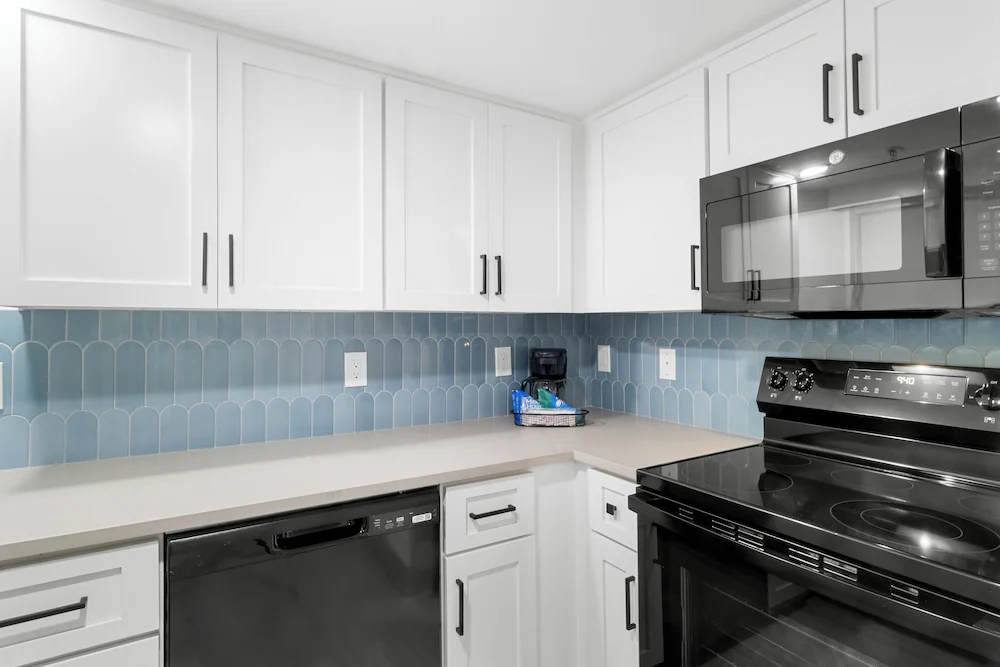
Condo-style units that support pod-based lodging, with separate living and sleeping areas
-
In-unit kitchens that support grocery-based meal planning and flexible schedules
-
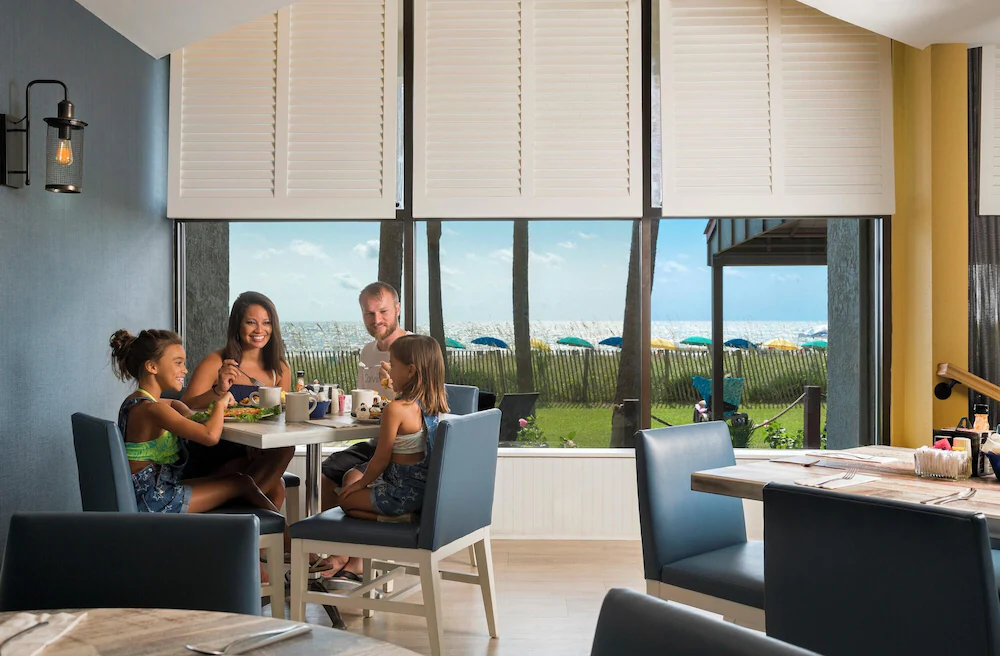
Private balconies and oceanfront-facing inventory in many condo-style layouts
-
Shared building amenities commonly associated with oceanfront towers, such as pools and beach access pathways
-
Elevator-based building layout that benefits from clustered unit placement for larger groups
-
Laundry capability that may be in-unit or shared, depending on the specific unit type assigned
-
Rental-managed operations where access, rules, and deposits are handled through the management process rather than a full-service hotel front desk
Points of interest and attractions within a 2–3 mile radius
-
Public beach access and the main oceanfront walking corridor for downtime between long days
-
Restaurant clusters along the beachfront route for quick group meals without long drives
-
Grocery and convenience options for stocking units with breakfast basics, water, and snacks
-
Pharmacy stops for prescriptions, toiletries, and routine travel needs
-
Mini golf, arcades, and family activities common to the North Myrtle Beach shoreline area
-
Marina and watersports zones that can support scheduled outings for organized groups
-
Fuel stations and service corridors for carpools, vans, and quick in-and-out routing
Features of interest to group travelers
-
Scalable housing plan for 15 to 50+ travelers by combining multiple condo units into pods
-
Pod leadership model that reduces coordinator burden, one lead per 8–15 travelers
-
Written arrival memo covering key pickup, access rules, parking passes, and late-arrival procedures
-
Controlled intake windows to reduce congestion at garages, elevators, and key pickup points
-
Kitchen-based meal strategy that lowers coordination overhead and supports irregular schedules
-
Parking plan with carpools and a driver list to prevent day-one confusion and curb congestion
-
Engine.com billing coordination for the full roster, simplifying who pays for what across many units
-
Engine.com Incidental Coverage so workers do not need personal cards for incidental holds, improving arrival consistency
-
Departure roster and unit-sweep process to reduce checkout surprises and post-stay disputes
Lodging Location

 Coral Beach Resort
What is there more kindly than the feeling between host and guest?
- Login