
Group Booking Rates & Corporate Lodging
Group Booking Rates & Corporate Lodging
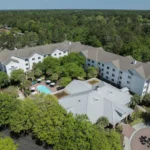
Residence Inn Charleston
90 Ripley Point Dr, Charleston, SC 29407, USA
Login to view our current rates & availability

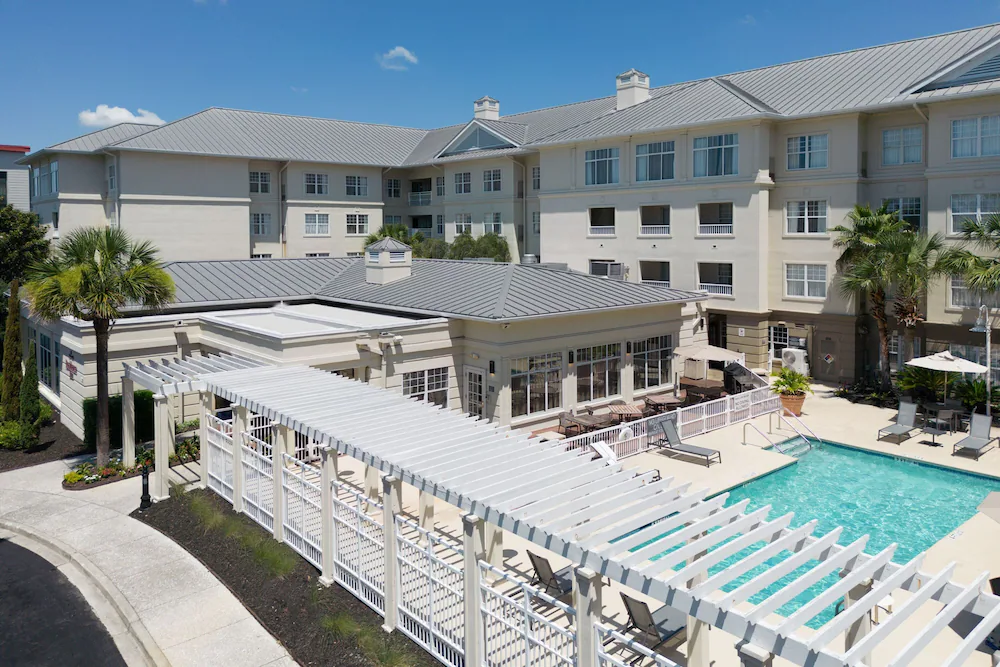


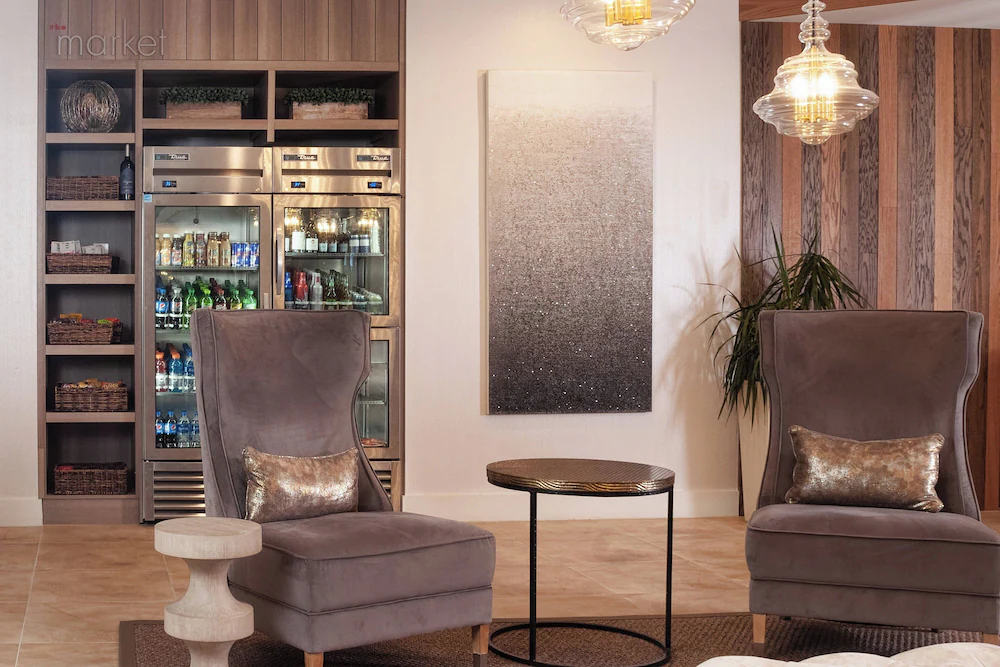
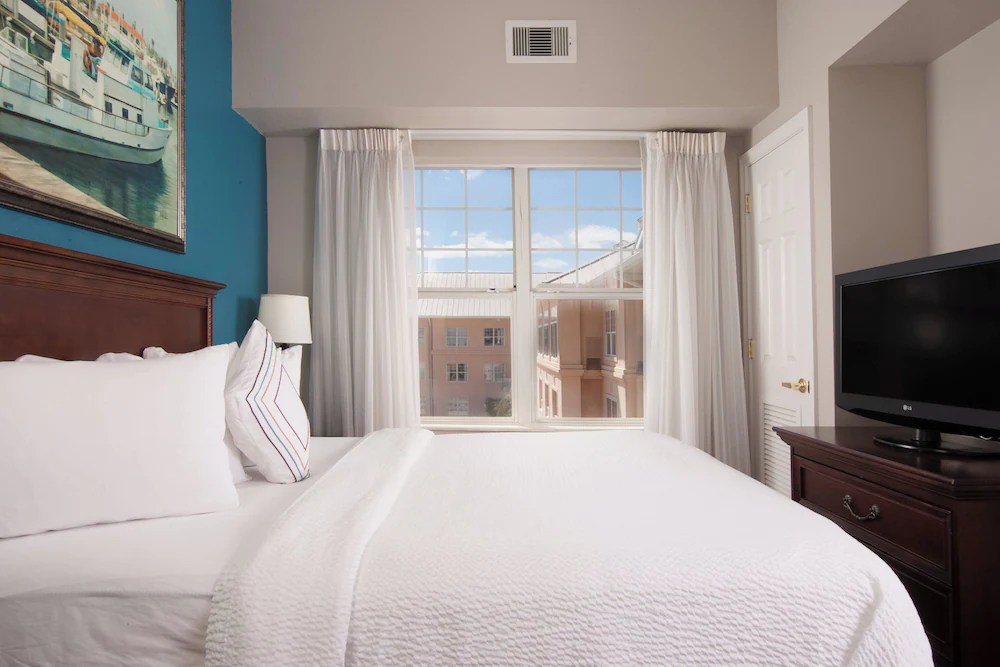

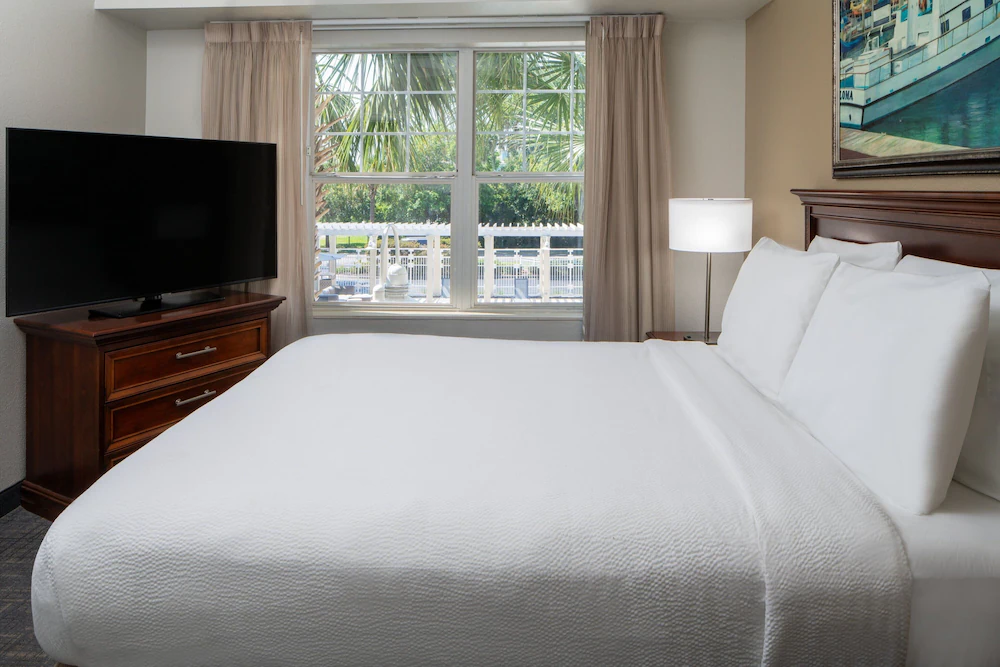






Accommodation Information
Operations-wise, Residence Inn Charleston Riverview is built for longer stays and repeatable routines, which is exactly what you want when you are coordinating a room block for 15 to 50+ travelers. The property format tends to reduce day-to-day friction because guests can keep food, laundry, and work basics in their own space, instead of relying on constant errands or restaurant timing. When a group is rotating through shifts or juggling multiple arrival windows, that “everyone can manage their own schedule” setup matters.
Across the Ashley River, this location reads like a practical staging point for teams that need quick access to downtown Charleston without being forced into downtown parking constraints every day. Your routing plan is straightforward: get people parked, get keys distributed fast, then keep the rest of the week quiet and predictable. For coordinators, the main benefit is how easy it is to standardize the stay, you can issue the same expectations to every traveler and avoid special-case instructions.
Workflow is where you win or lose the first night, so I treat check-in like an intake line with guardrails. I submit a finalized rooming list ahead of time with full legal names, then I assign one primary onsite lead and one backup who are the only people authorized to request changes. Everyone else gets a short instruction that prevents bottlenecks: arrive during your time window, bring ID, pick up your key, go straight to your room. If your block is closer to 30–50+, I split arrivals into waves, usually grouped by vehicle or team, which keeps the front desk from getting hit all at once.
Financial control is the other pressure point, because incidental holds can turn into a mess when you have a lot of travelers arriving tired and late. This is where Engine.com’s Incidental Coverage changes the experience at the desk. Instead of requiring workers to use personal cards for incidental authorizations, the trip can be configured so incidentals are handled under the company arrangement. That helps the line move faster, it keeps personal funds out of the process, and it avoids the awkward situation where one person’s check-in stalls because they do not have a card available.
Capacity planning for this property is less about banquet-scale event space and more about how you structure the room mix and daily rhythm. For a 15–25 person group, I try to cluster rooms by team, keep leaders in single-occupancy rooms, and place early-departure travelers away from high-traffic areas. For 30–50+ people, I plan in pods, then I give each pod a point person who can handle minor issues without pulling the full coordinator into every request. This keeps communication clean and reduces noise at the front desk.
Routines are what keep the week stable. A Residence Inn setup is usually strongest when you lean into the basics: use the in-room kitchen to cut down on meal chaos, set a breakfast plan so departures do not drift, and establish one simple regrouping point for quick updates. If you manage it like a system, the property supports a large group without turning the lobby into a daily troubleshooting desk.
Key hotel features and amenities
-
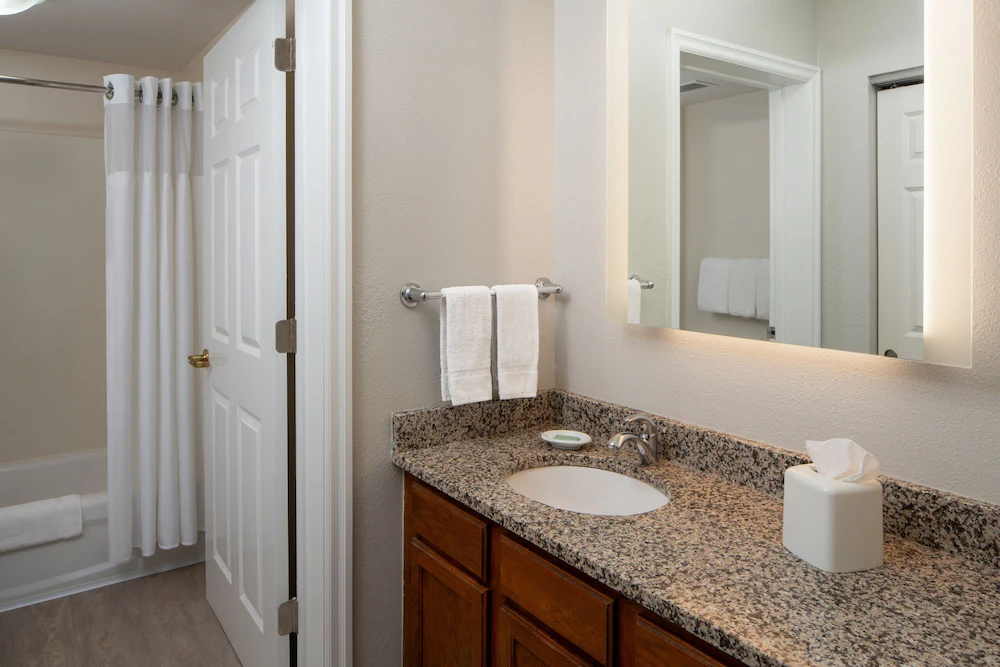
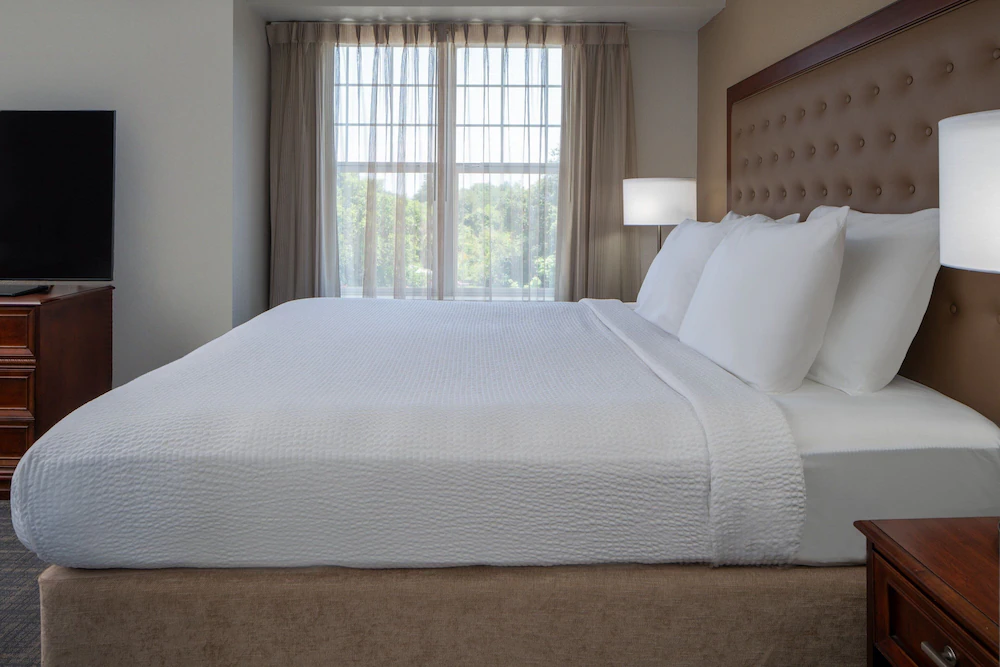
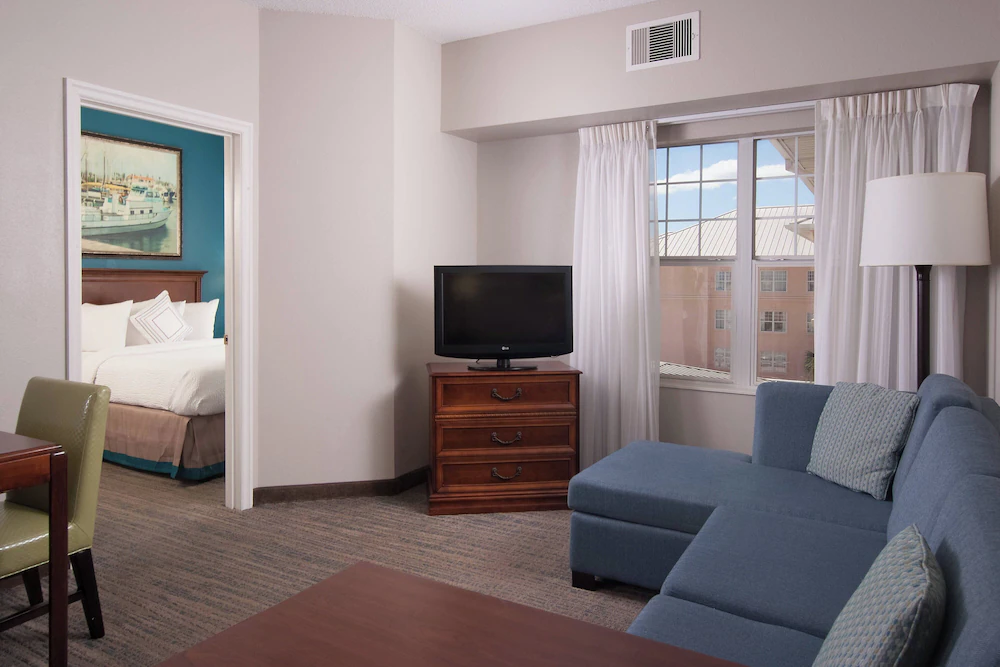
Suite-style rooms that support longer stays, with in-room kitchens for self-managed meals and early mornings
-
Room layouts that typically include a dedicated work surface and a separate living area, useful for shared occupancy planning
-
Complimentary breakfast, helpful for controlling morning timing across a large roster
-
Laundry access for extended assignments and weekly routines
-
Fitness and pool access for downtime and recovery between long days
-
Common areas that can serve as a quick meetup point for driver coordination or short updates
-
Wi-Fi suitable for scheduling updates, basic work needs, and daily communication
Points of interest and attractions within a 2–3 mile radius
-
Downtown Charleston core, including dining corridors and the main visitor districts for off-hours time
-
Charleston City Marina area for a clear local landmark and waterfront access
-
MUSC and nearby medical facilities, useful for teams supporting healthcare projects or visiting for scheduled appointments
-
College of Charleston area for a well-known reference point and walkable streets
-
The Citadel campus area, a practical waypoint for navigation and local familiarity
-
Waterfront Park and the adjacent downtown shoreline for an easy outdoor break
-
Grocery and pharmacy corridors near the downtown approach roads for stocking basics without a long detour
Features of interest to group travelers
-
Room block planning that scales from 15 to 50+ by clustering pods and assigning one lead per pod
-
Staggered check-in waves to prevent lobby backups, especially for late arrivals and multi-vehicle groups
-
Pre-submitted rooming lists to reduce name issues and shorten desk time per traveler
-
Key distribution plan built around one primary onsite lead and one backup lead to manage exceptions
-
Parking that supports carpools and work vehicles, with a coordinator-issued parking note to avoid day-one confusion
-
Breakfast timing control to support early departures and reduce morning drift across a large team
-
In-room kitchens that reduce per-diem pressure and help travelers manage meals around shift schedules
-
Engine.com Incidental Coverage to remove the need for workers to use personal cards for incidental holds, keeping check-in consistent and avoiding delays
-
Checkout controls using a departure roster, planned extensions, and early issue reporting to minimize post-stay cleanup
Lodging Location
 Charleston Marriott
What is there more kindly than the feeling between host and guest?
- Login