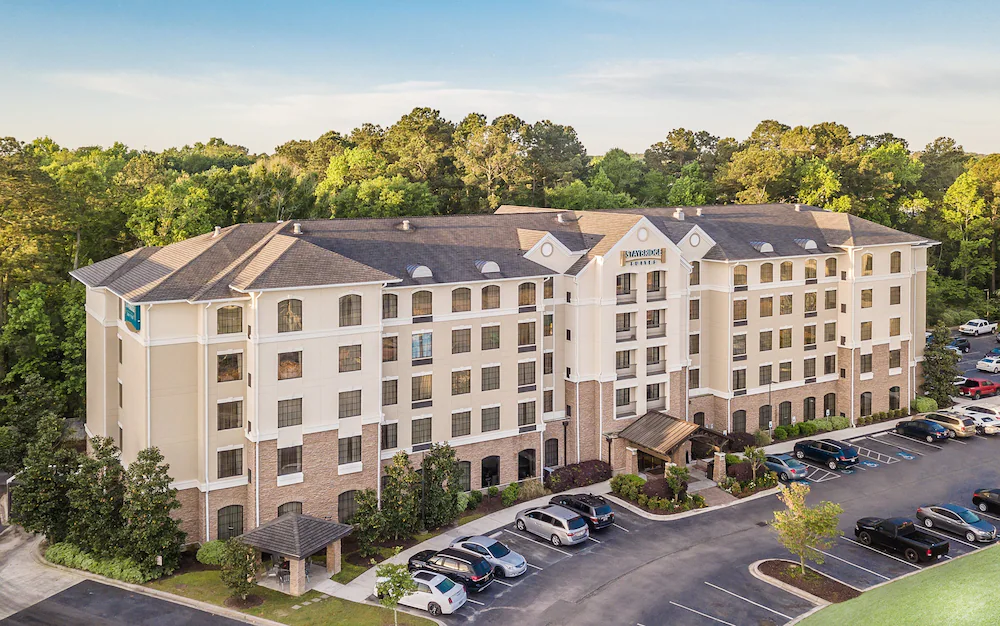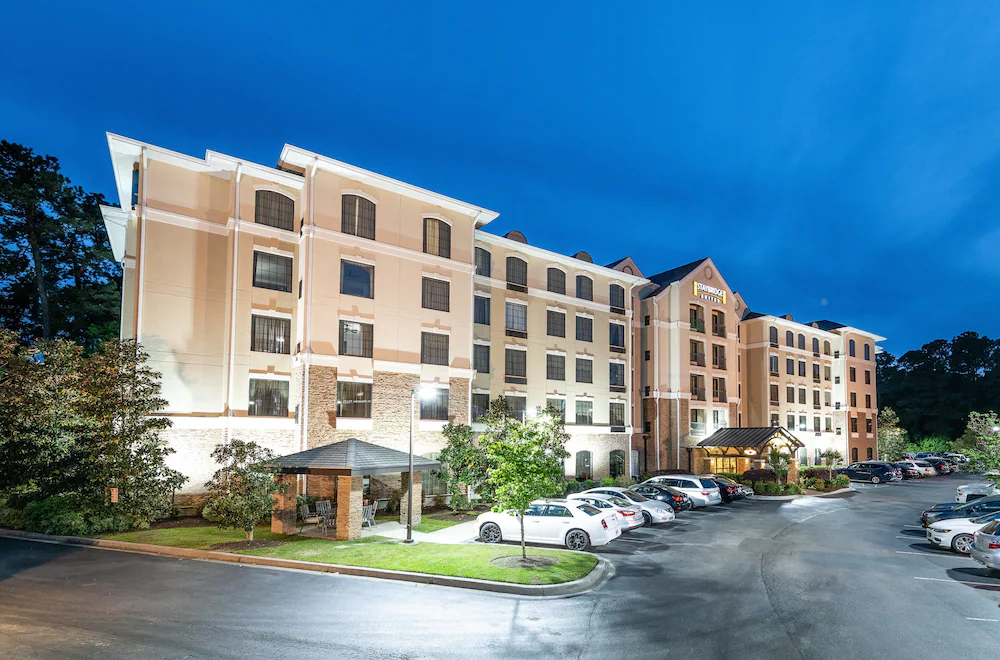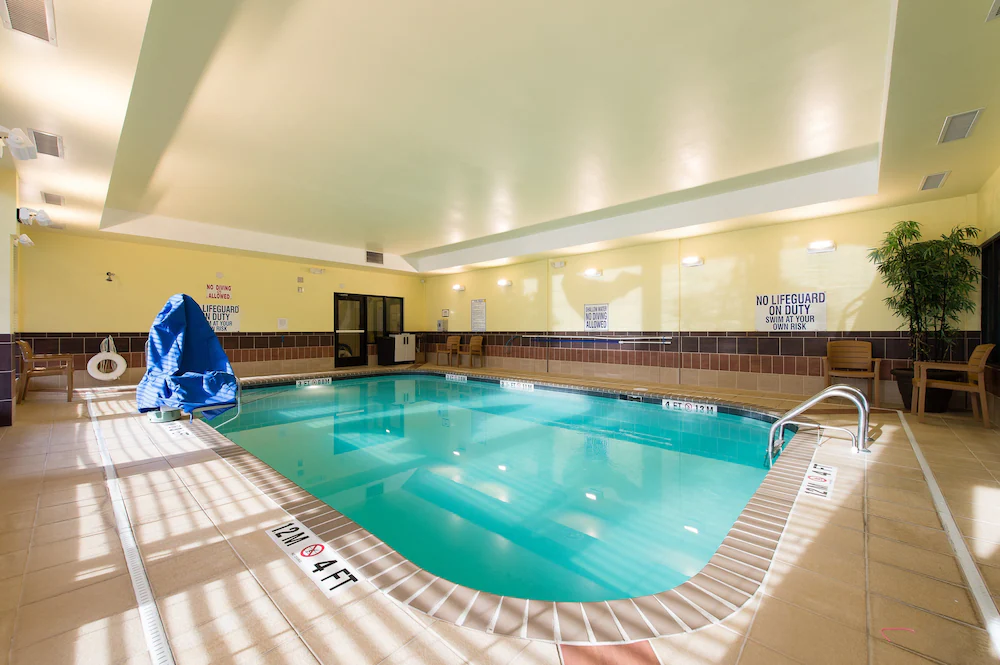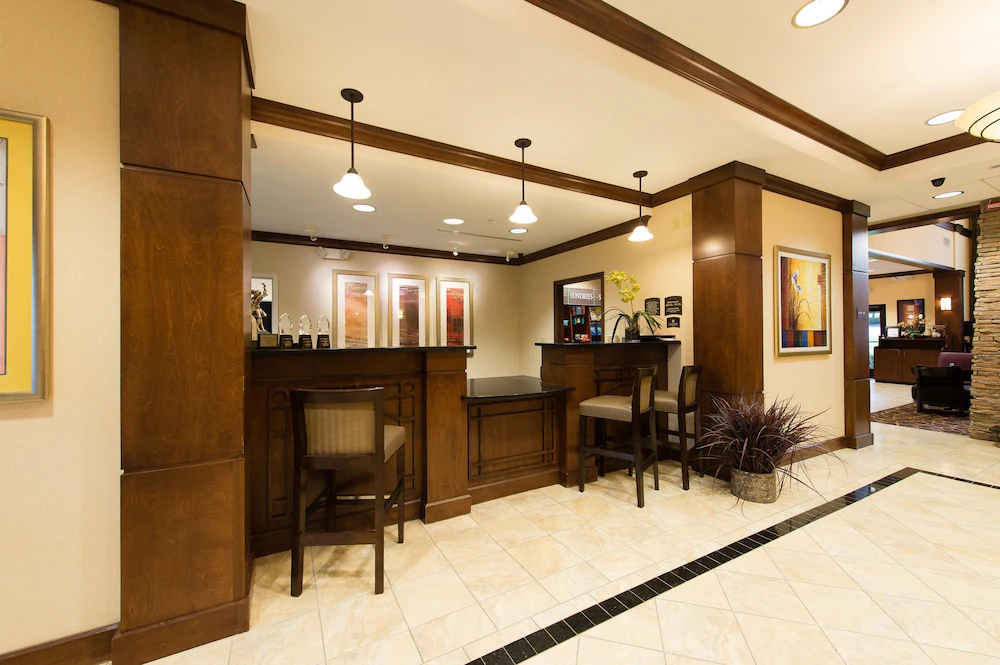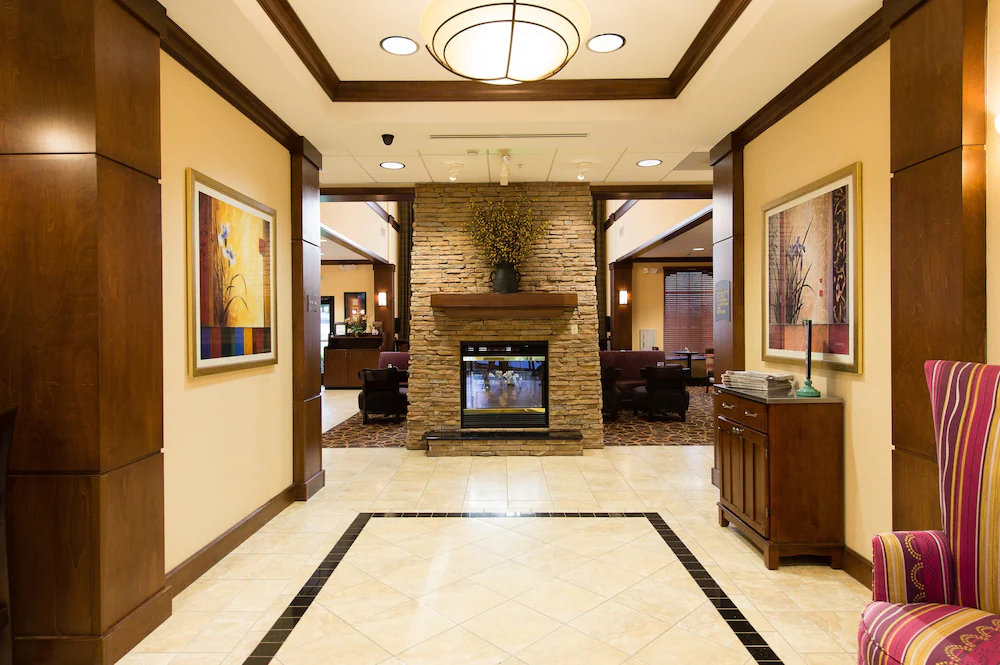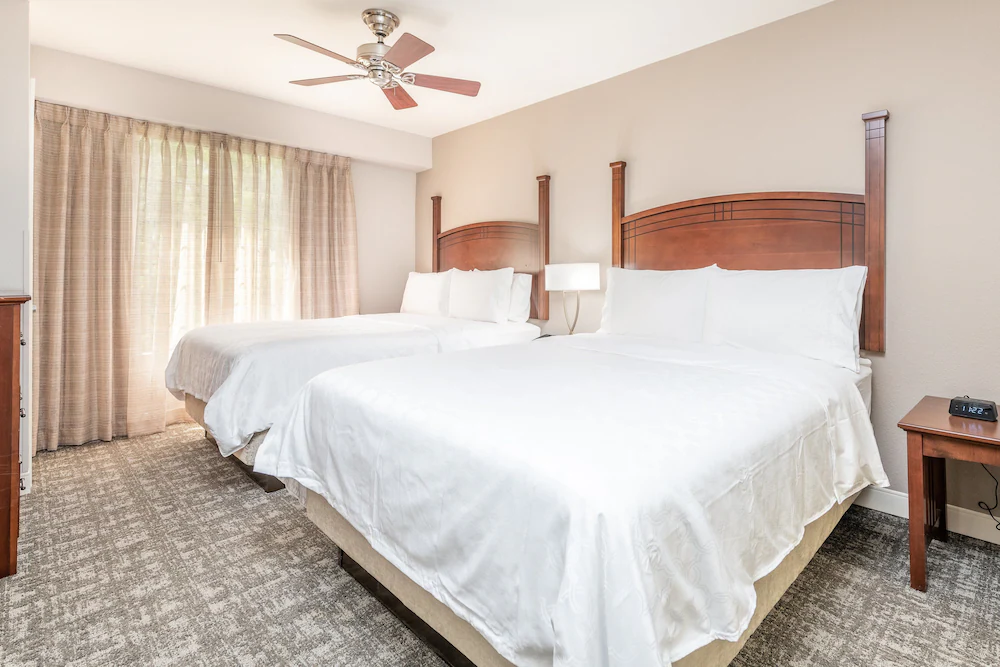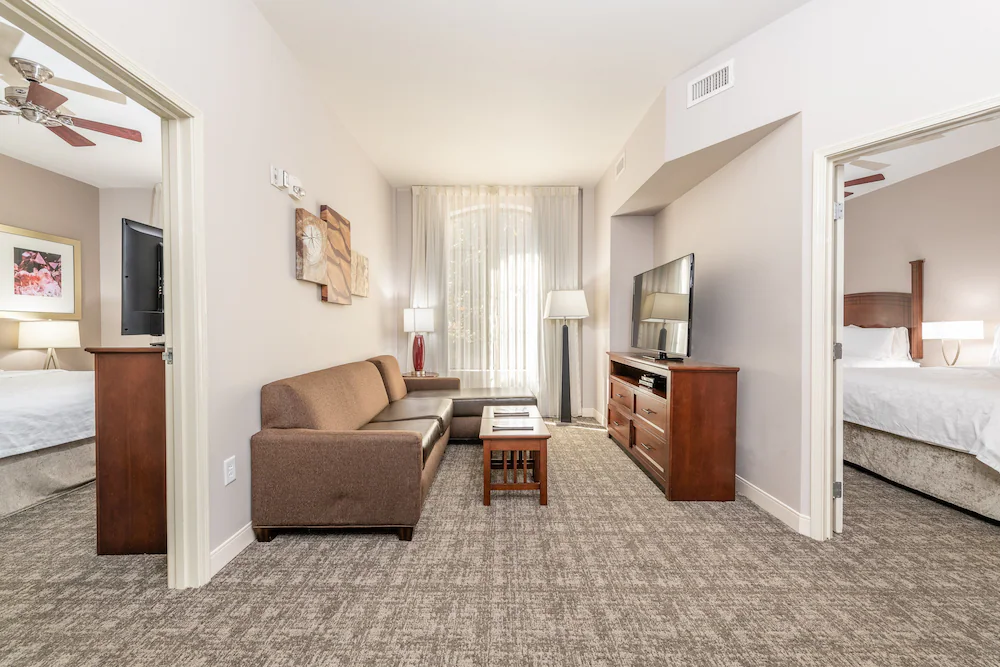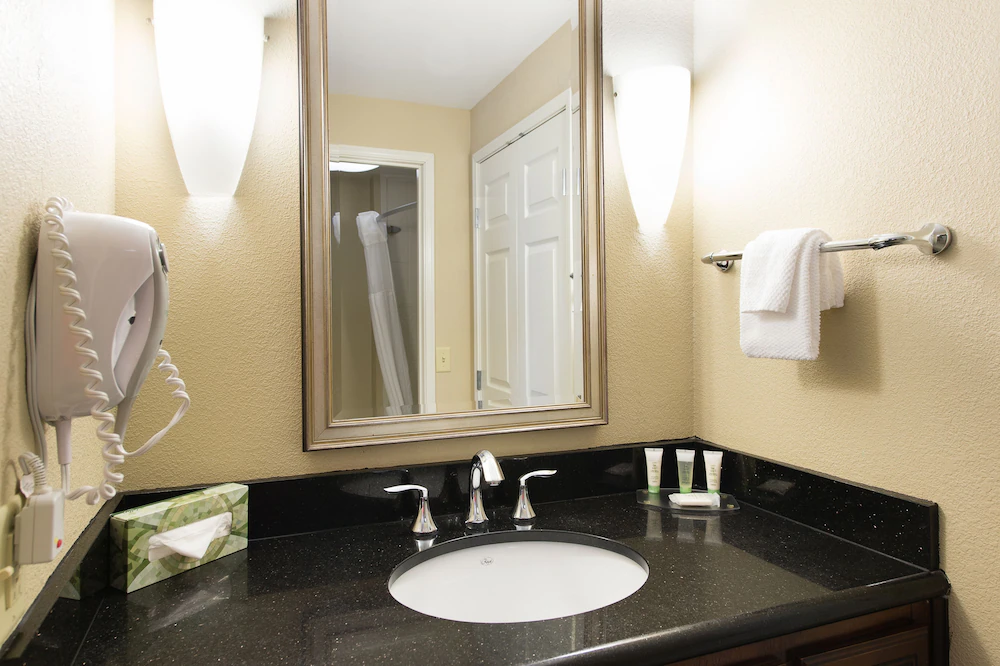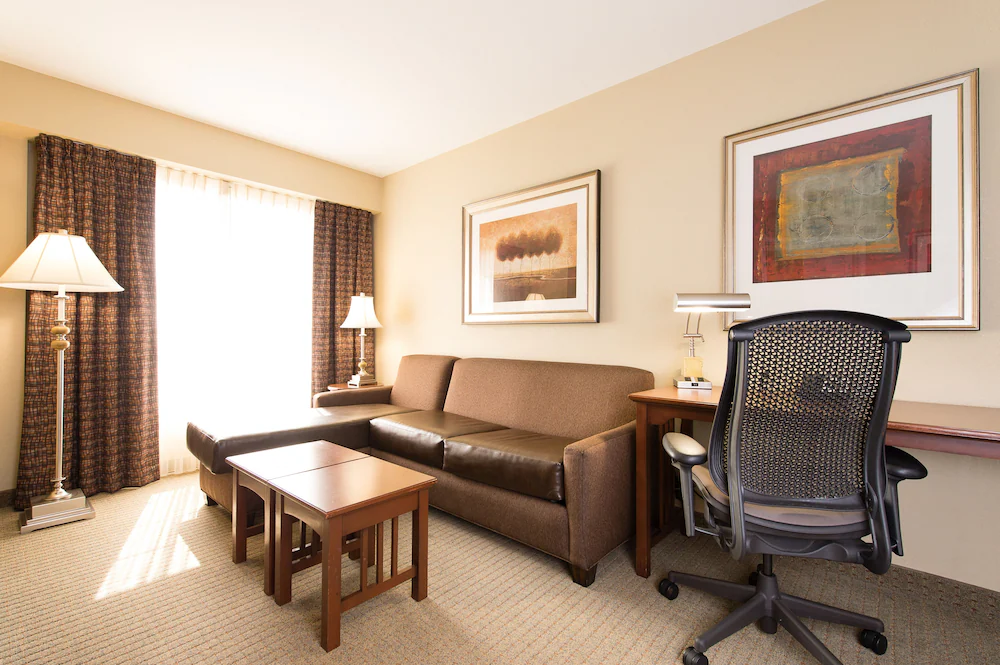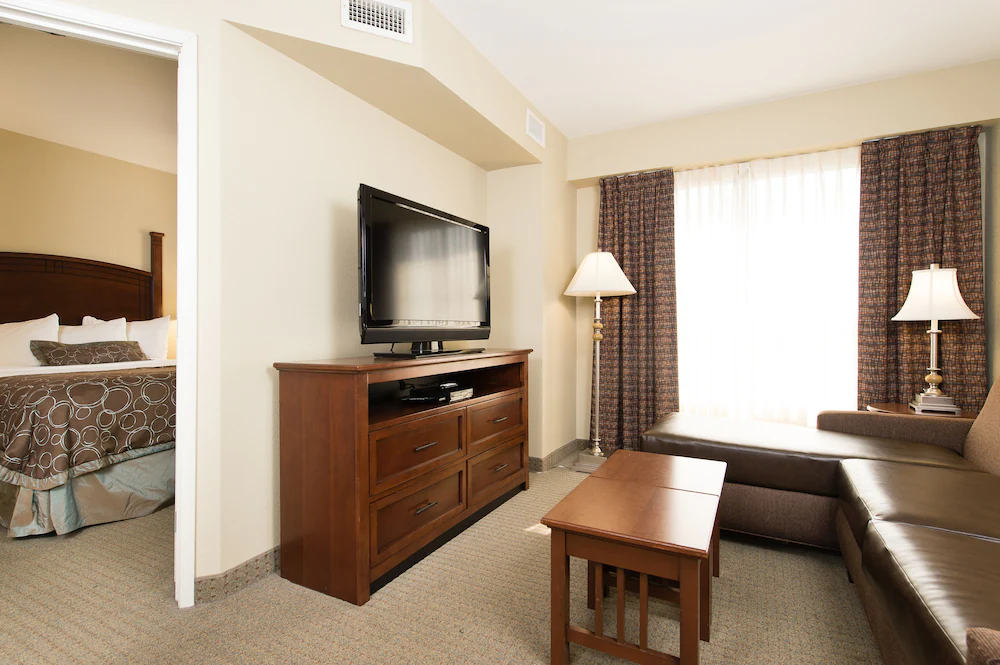
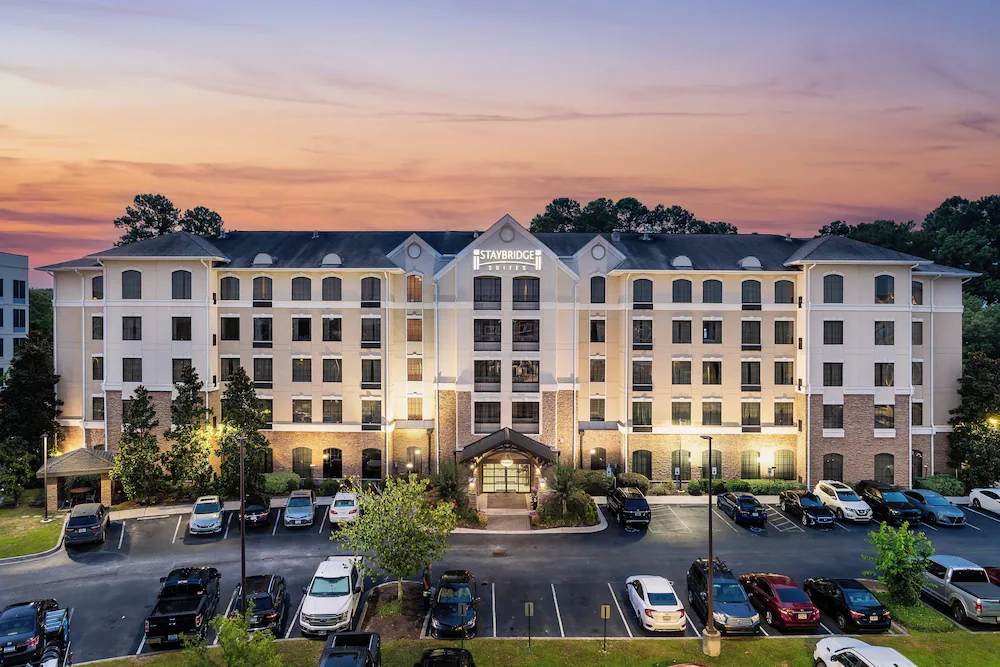
Staybridge Suites North Charleston reads as an extended-stay asset built for predictable lodging spend: suites that support multi-week routines, repeatable room standards across a block, and fewer “surprise costs” that show up when teams scatter across multiple properties. Long-term projects tend to fail in the margins, extra rides, extra meals, extra reimbursements, and extra admin time. A suite-style hotel helps you compress those margins into something you can forecast and control.
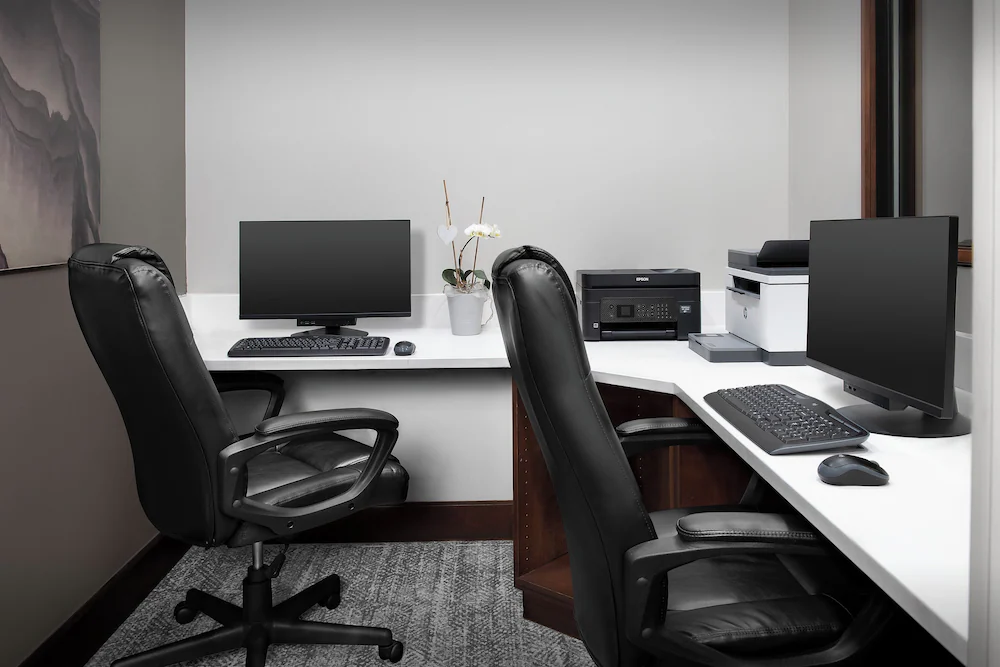
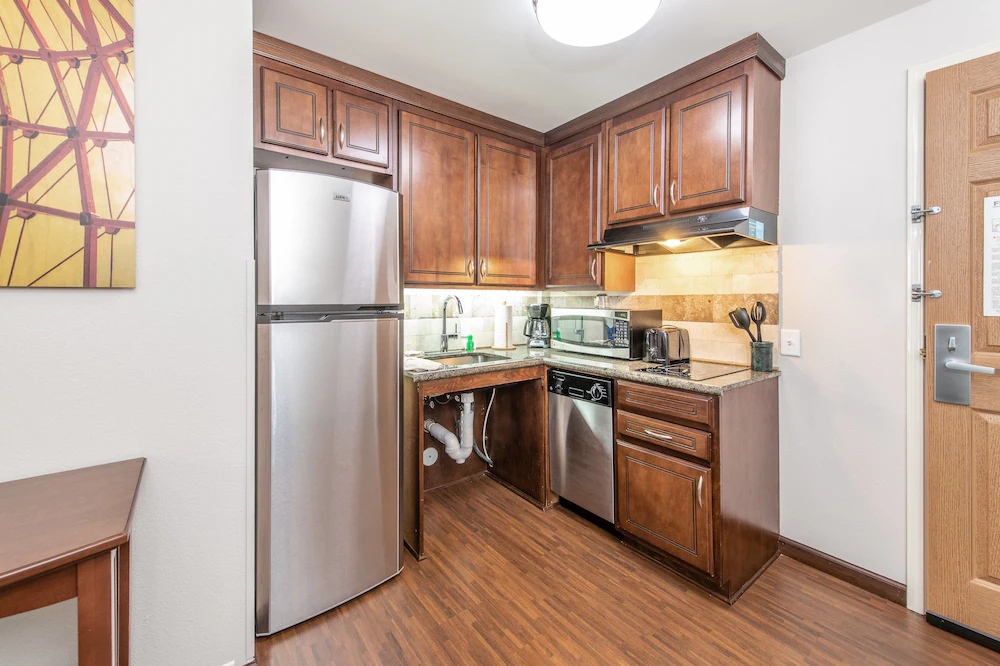
Because extended-stay stays often run longer than the original schedule, the most defensible value comes from reducing daily variable expenses. Suite layouts with in-room kitchen features can lower meal spend and cut the number of reimbursable transactions that land in your close process. Onsite laundry access supports longer rotations without constant retail runs for basics, and common areas give crews a place to reset laptops, plan the next day, or handle quick coordination without renting offsite space. Breakfast inclusion matters less as a perk and more as a line-item reducer, especially when you multiply it across 20, 40, or 80 people over several weeks.
Most block decisions also hinge on logistics and payroll efficiency, not just nightly rate. North Charleston’s airport and interstate corridors create a practical staging area for rotating personnel, early-morning starts, and quick resupply. Shorter drive times reduce paid transit hours, which can be more expensive than the room itself once you factor in vehicles, fuel, and downtime. A stable base also helps supervisors manage callouts, shift changes, and last-minute extensions without a new procurement scramble each week.
Operationally, Engine.com strengthens the financial case for this specific property by taking two volatile pieces of the equation and turning them into controlled inputs: the rate and the payment trail. Negotiated pricing reduces exposure to public-rate swings when your project timeline shifts, and it can also help protect you from “last rooms” pricing when the local calendar tightens. Direct Bill is the other half of the ROI: it removes receipt chaos by shifting room and tax charges away from dozens of individual cards and into a cleaner billing workflow that maps back to the project. The practical payoff shows up in fewer reimbursements, fewer missing folios, cleaner charge coding, and faster reconciliation at month-end.
When you book a large room block for a long-term job, the hidden savings usually come from consistency. Standardizing lodging at one property improves compliance with per-diem expectations and reduces out-of-policy spend. It also makes rooming lists, extensions, and replacement travelers easier to manage. Less churn means fewer change fees, fewer late-night rebooks, and fewer “we had to take whatever was left” invoices that inflate your average nightly cost. Put simply, the hotel choice sets the baseline, and Engine helps keep the baseline from drifting as the project changes.
Finally, consider how this setup supports controls that finance teams care about: defined incidentals handling, fewer one-off approvals, and a clearer audit trail. A centralized approach makes it easier to spot anomalies, like duplicate nights, early departures that were not credited, or incidental charges that should have been handled separately. Those corrections are painful when they are spread across many travelers, but they are manageable when billing is consolidated and tied to a single block strategy.
Key hotel features and amenities
-
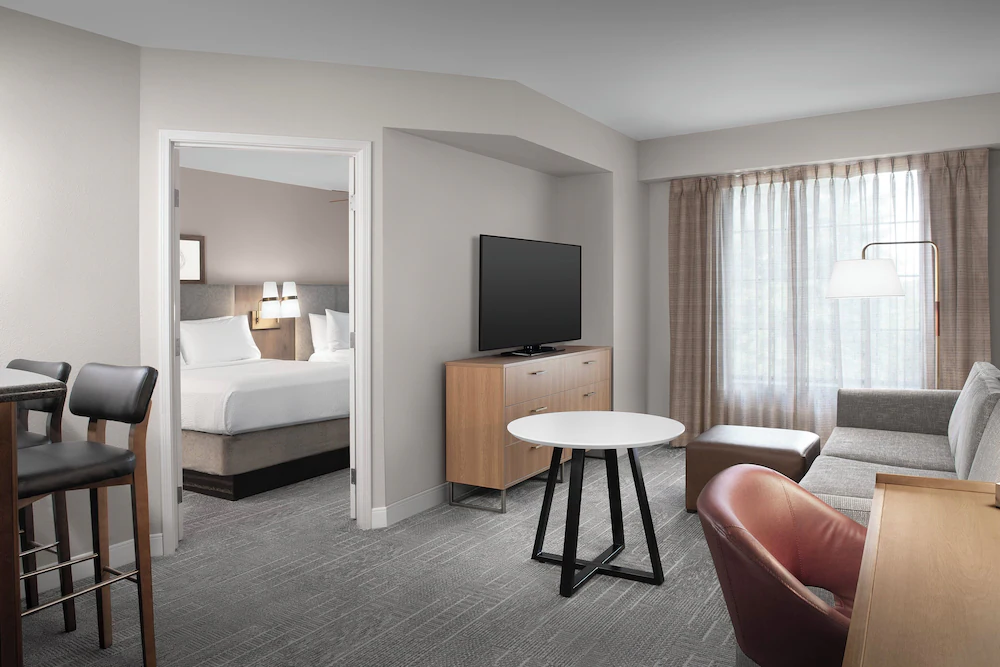
Suite-style accommodations that support longer stays and repeatable room standards for a project team
-
In-room kitchen features in many suite configurations, useful for reducing meal spend during multi-week assignments
-
Breakfast offering that can lower daily out-of-pocket and reduce reimbursement volume
-
Onsite guest laundry access, helpful for extended rotations and for minimizing replacement purchases
-
Fitness room and common spaces that support routine during longer deployments
-
Parking availability that supports driving crews and mixed vehicle needs for shift work
-
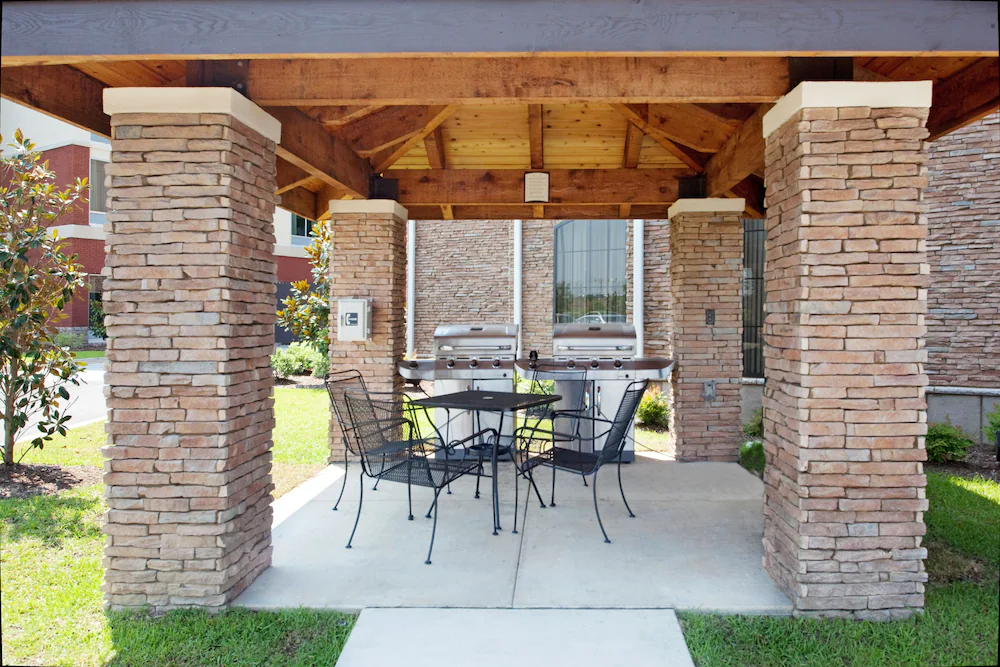
Social or lounge areas that can function as informal coordination space outside of guest rooms
Nearby corporate and industrial hubs within about 3 miles, verify exact mileage by route
-
Charleston International Airport and the surrounding aviation services corridor
-
Charleston Area Convention Center campus area, relevant for event-driven demand and contractor activity
-
North Charleston Coliseum and Performing Arts Center, a major venue cluster that can affect local occupancy patterns
-
Major interstate access points around I-26 and I-526, important for crews commuting to distributed sites
-
Retail and supply runs around the Tanger Outlets area, useful for day-to-day project needs and quick restocking
-
Airport-area business parks and light industrial pockets that commonly host contractors, vendors, and regional service teams
Features of interest to group travelers
-
Suite layouts that help standardize lodging while offering options for leads, longer-stay staff, or rotating headcount
-
Kitchen capability that can reduce per-diem pressure and cut down on expense-report line items
-
Laundry access that supports long assignments without constant offsite errands
-
Breakfast and common-area workflow that reduces the need for reimbursable morning meal runs
-
Parking practicality for mixed transportation, including personal vehicles and shared project vehicles
-
Location that supports fast rotation logistics, with straightforward access to airport and interstate corridors
-
Engine.com negotiated rates that reduce rate volatility as timelines extend
-
Engine.com Direct Bill that consolidates lodging spend, limits reimbursements, and simplifies reconciliation for large room blocks tied to a specific cost center or job code