
Group Booking Rates & Corporate Lodging
Group Booking Rates & Corporate Lodging
Sun & Sand Resort
1705 Atlantic Ave, Virginia Beach, VA 23451, USA
Login to view our current rates & availability

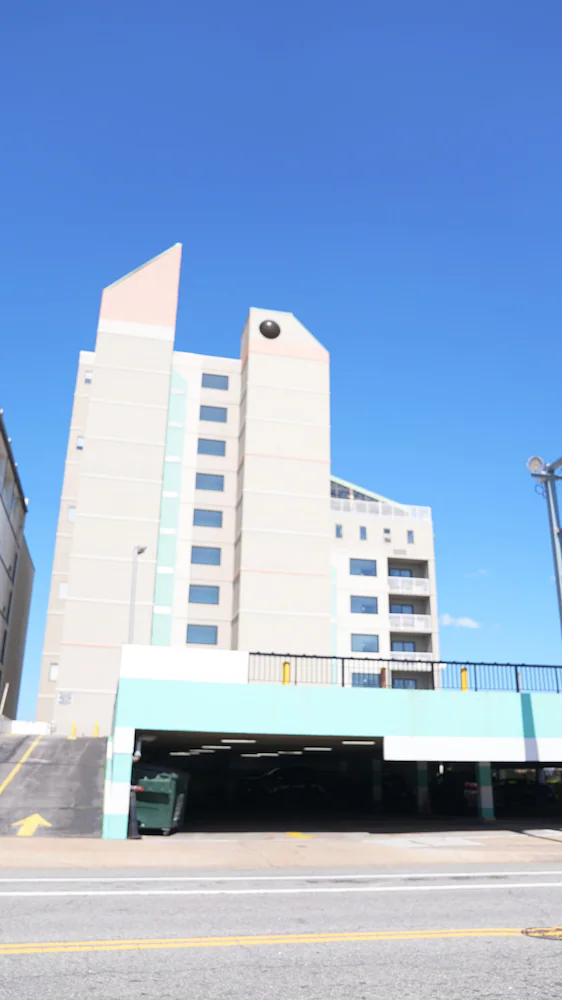
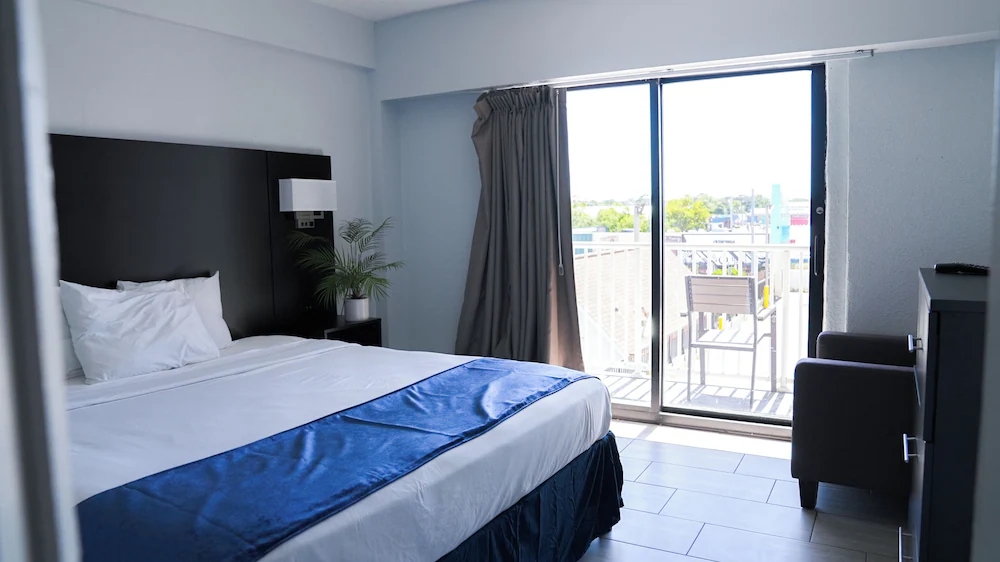


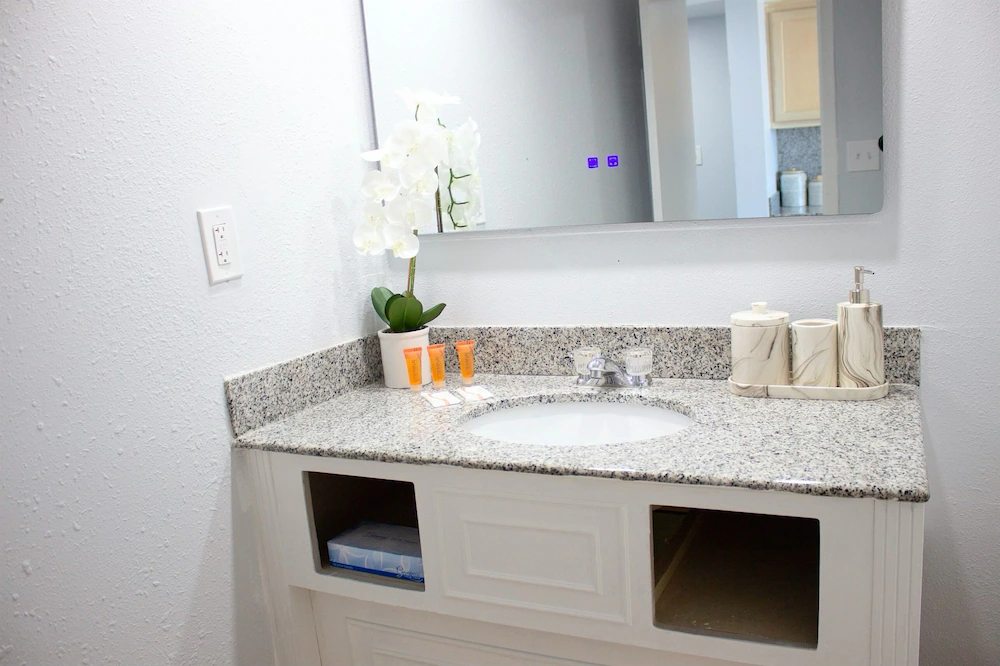


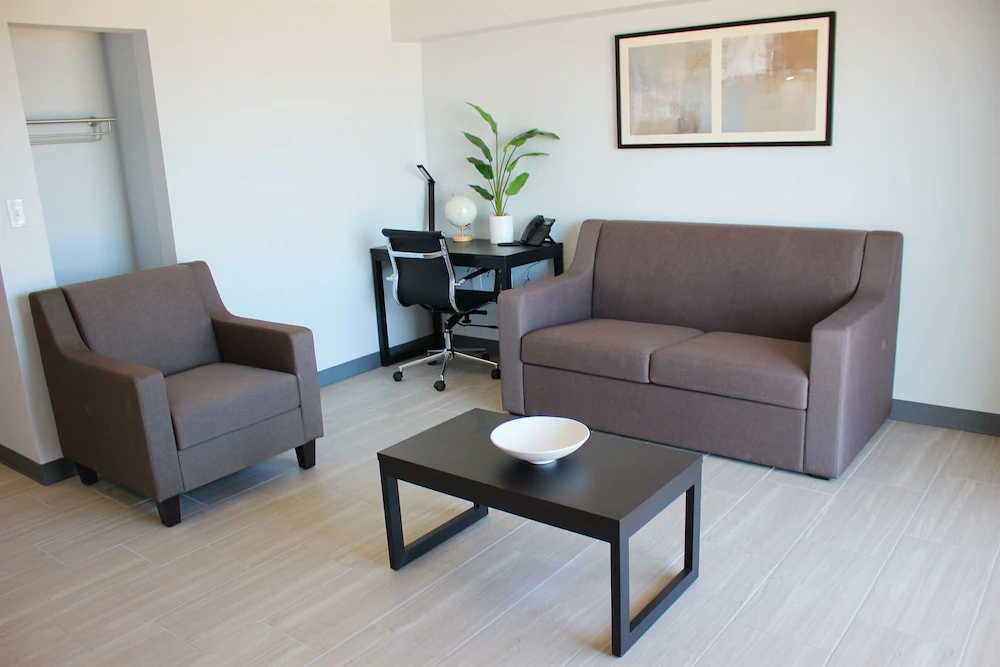


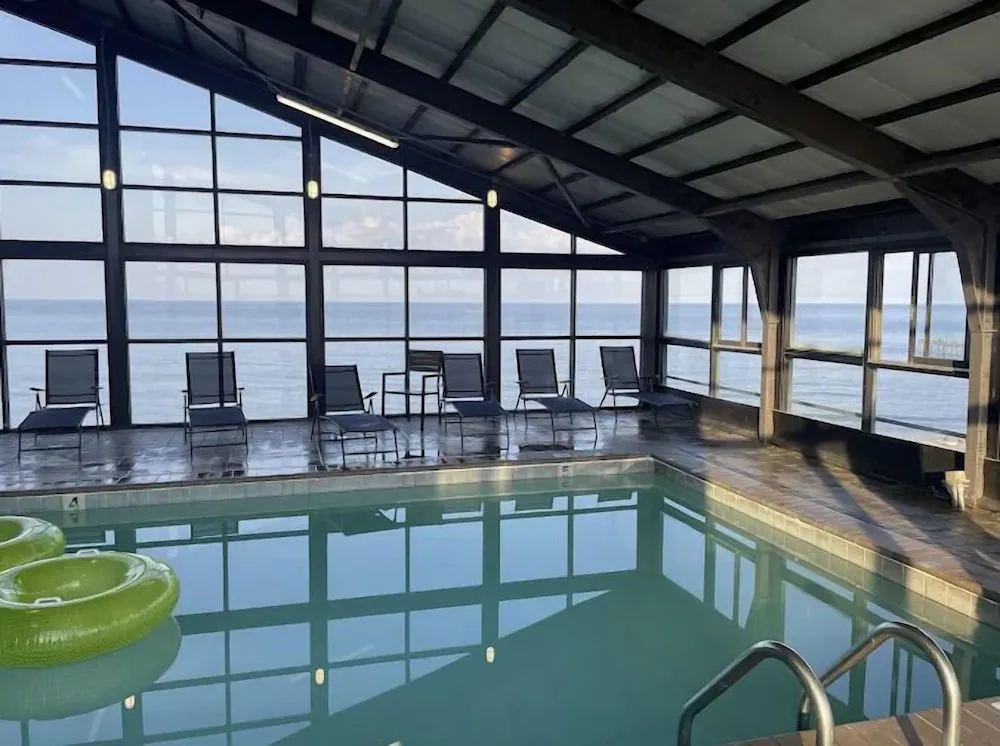

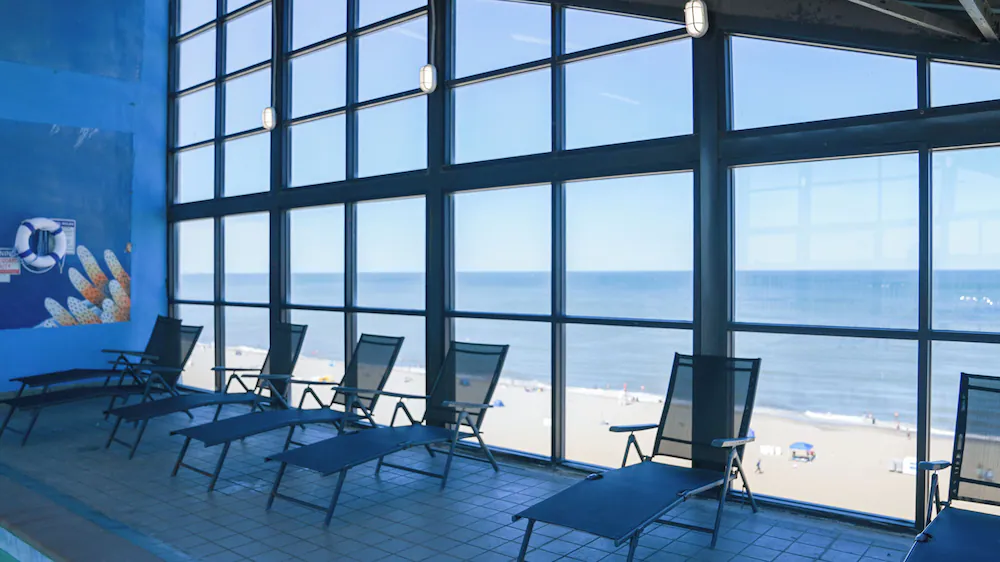


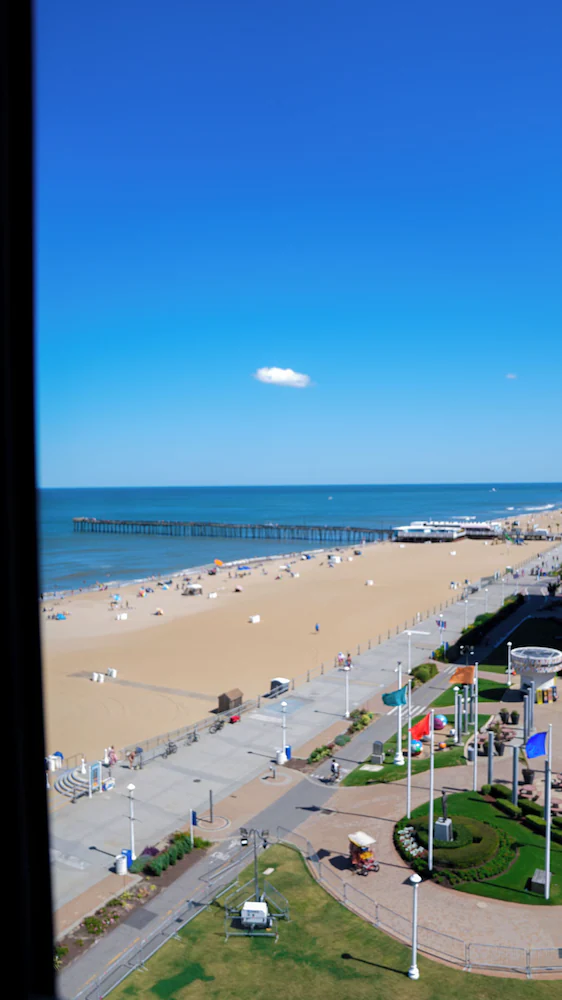


Accommodation Information
Sun and Sand Resort Oceanfront Suites is best planned as a suite-style, beachfront base where the room layout does more of the heavy lifting for your group. Oceanfront properties can either feel chaotic or controlled, and the difference usually comes down to how well you manage arrivals, how clearly you assign pods, and how you keep the front desk out of internal decisions.
From a coordinator’s seat, the fastest way to stabilize a 15 to 50+ person block is to build the roster into pods before anyone travels. For 15–25 people, one cluster with a small buffer for late adds and extensions is usually enough. For 30–50+, split the roster into pods of 8–15 and assign one lead per pod. Pod leads handle basic questions, late arrival coordination, and roommate friction, which prevents one small issue from turning into ten separate calls.
For arrivals, treat check-in like an intake line with rules. Send a finalized rooming list ahead of time with full legal names, arrival dates, planned checkout dates, and only notes that change placement, accessibility needs, quiet placement for early starts, and any confirmed extensions. Designate two onsite contacts, one primary and one backup, and make it clear that only those two people can request swaps, exceptions, or date changes. Everyone else arrives in assigned windows, shows ID, picks up keys, and goes straight to their suite. Staggering arrival windows matters at oceanfront properties because elevators, luggage flow, and curb space can bottleneck quickly when multiple vehicles unload at once.
Billing is where large group arrivals often stall, especially when incidental holds are handled traveler by traveler. Engine.com’s Incidental Coverage is designed to remove the need for workers to use personal cards for incidental authorizations at check-in. With coverage set up for the booking, the desk can move through arrivals faster, the line does not get stuck on “who has a card,” and personal funds stay out of the process. That also reduces back-office cleanup after checkout because you are not untangling individual holds and reimbursement questions days later.
Parking and vehicle flow should be planned in writing before day one. Assign carpools, publish a driver list, and set a first-night unloading rule so vehicles are not idling while people figure out where to go. If you have vans or larger vehicles, identify them early and keep them grouped, because scattered parking creates late departures and missed meet times. A simple rule helps: unload first, move vehicles second, regroup third.
During the stay, suites make daily operations easier when you use them correctly. Pods can handle their own basic meal cadence, store essentials, and reset without relying on lobby space. Set one daily update window, keep it short, and push changes through pod leads so you are not chasing individuals across the property. If the trip is work-driven, protect quiet hours and keep morning departures consistent. If the trip is event-driven, publish gathering times and locations in one message each day so the plan stays clear without repeated check-ins.
Checkout planning should start before night two. Maintain a departure roster, confirm extensions at least two days before planned checkout, and set a hard deadline for reporting room issues while travelers are still onsite. Pod leads should be responsible for a quick sweep of their assigned rooms, key returns, and making sure nobody leaves important items behind. Clean exits reduce charge disputes, prevent last-day confusion, and keep the coordinator out of post-trip damage control.
Key hotel features and amenities
-
Oceanfront access that keeps downtime and meetups close to the property
-
Suite-style room layouts that support pod-based lodging and reduce crowding in common areas
-
In-room food storage and basic meal support features that help early starts and late returns
-
Outdoor areas that work well for short regroup moments without taking over indoor space
-
Elevator-based building flow that benefits from clustered room assignments and staged arrivals
-
Front desk process that runs faster with a pre-submitted rooming list and scheduled arrival windows
-
Wi-Fi suitable for daily communication, schedule updates, and basic work needs
Points of interest and attractions within a 2–3 mile radius
-
Public beach access points and the main oceanfront walking corridor
-
A boardwalk or promenade zone, where available, with dining clusters and easy meet points
-
Family activities commonly found along beach corridors, such as mini golf and small amusement options
-
Grocery and convenience stores for stocking water, snacks, and breakfast basics
-
Pharmacy stops for prescriptions, toiletries, and routine travel needs
-
Fuel stations and service corridors for carpools and quick in-and-out routing
-
Casual dining clusters that can handle volume when the group returns late
-
A pier or marina area, where available, for a simple scheduled outing window
Features of interest to group travelers
-
Scalable lodging plan for 15 to 50+ travelers by splitting the roster into pods with one lead per 8–15 people
-
Staggered arrival windows grouped by vehicle, team, or shift to prevent lobby and elevator bottlenecks
-
Pre-submitted rooming list using full legal names to reduce check-in delays and name-matching issues
-
Two-lead escalation model, one primary onsite contact and one backup, limiting who can request changes
-
Parking plan with assigned carpools, a driver list, and first-night unloading rules to reduce curb congestion
-
Suite-based routine planning that lowers coordination overhead for meals and downtime
-
Engine.com Incidental Coverage so workers do not need personal cards for incidental holds, improving check-in speed and consistency
-
Checkout controls built around a departure roster, planned extensions confirmed early, and issue reporting deadlines to minimize post-stay cleanup
Lodging Location

 Holiday Inn & Suites
What is there more kindly than the feeling between host and guest?
- Login