
Group Booking Rates & Corporate Lodging
Group Booking Rates & Corporate Lodging
Super 8
800 Co Rd H, Wisconsin Dells, WI 53965, USA
Login to view our current rates & availability


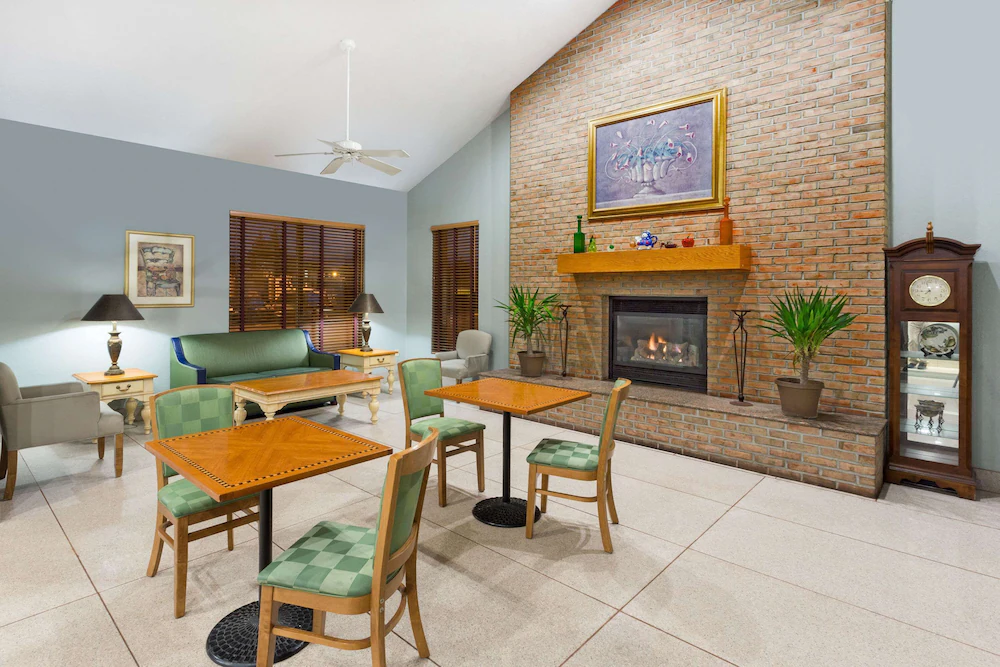

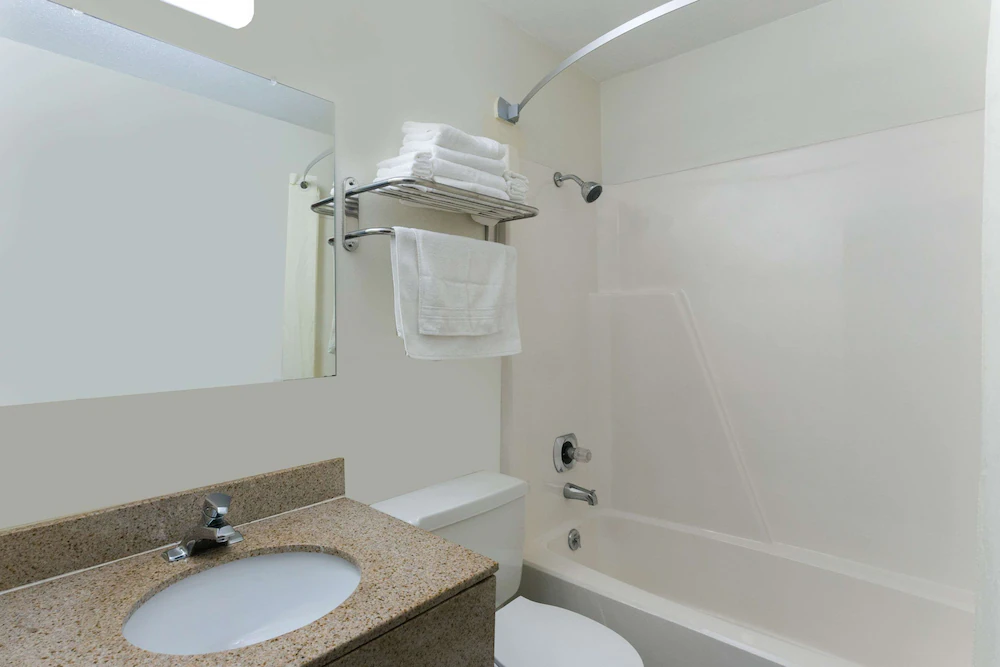


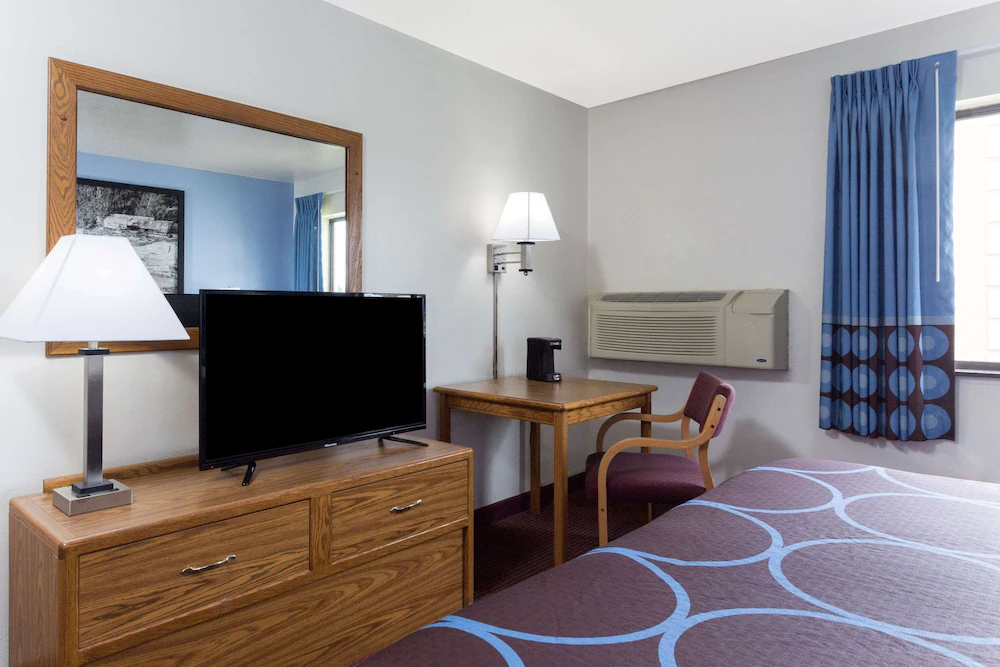


Accommodation Information
Practical and straightforward, Super 8 by Wyndham Wisconsin Dells functions as a high-volume, limited-service base for groups that need clean rooms, fast access to the main Dells corridor, and an arrival plan that does not fall apart when people show up in waves. The identity here is utility: a simple place to sleep, reset, and move on, with fewer “extras” competing for your schedule or your budget.
Because groups rarely arrive as one neat line, the most important success factor is how you stage intake for 15 to 50+ travelers. I split the roster into pods of 8 to 15 people, then appoint one pod lead per pod. Each lead becomes the first stop for key questions, late arrival coordination, and minor issues, which keeps the front desk from getting pulled into internal decisions. Two onsite contacts, one primary and one backup, should be the only people authorized to request room changes, extend stays, or resolve exceptions.
To make check-in quick, send a finalized rooming list in advance with full legal names, arrival dates, departure dates, and only the notes that change outcomes, such as accessibility needs and quieter placement for early risers. Next, schedule arrival windows in 20 to 30 minute blocks based on how people are traveling. The first wave should include your primary onsite contact plus a few flexible travelers who can handle minor hiccups without slowing the rest of the roster. Middle waves handle the bulk of arrivals, while a final window is reserved for late check-ins and anyone with special placement needs.
On arrival night, the line almost always slows down at the same point: incidental authorizations. Engine.com’s Incidental Coverage is designed to remove the need for workers to use personal cards for incidental holds at check-in. When that coverage is attached to the booking, the desk can keep keys moving, exceptions drop, and you avoid the common stall where one person without a card slows everyone behind them. It also reduces the back-office mess later because fewer individual holds means fewer reimbursement questions after checkout.
Once the group is inside, the operational goal is to keep the hotel from becoming your coordination desk. A simple routine works: one short daily update window, one default meetup point, and one rule that questions go to pod leads first. Morning departures are where drift happens, so I publish a departure cadence that names drivers, sets a staging time for vehicles, and clarifies what happens if someone is running late. If you are coordinating crews, this is also where you lock down quiet-hour expectations so early starters can sleep while late returners do not disrupt the entire floor.
After day two, parking and vehicle flow usually become the next friction point, especially if you have carpools, vans, or rotating drivers. Assign carpools early, keep a driver list, and use a first-night unloading rule that limits curb congestion. If the property’s lot has tight circulation, the simplest approach is “unload first, park second, regroup last,” with pod leads confirming their people are in before anyone disappears into errands.
Finally, checkout should run like a controlled exit rather than a scatter. Maintain a departure roster throughout the stay, confirm extensions at least two days before planned checkout, and set a hard deadline for reporting room issues while travelers are still onsite. Pod leads should do a quick sweep for forgotten items, key returns, and any problems that need to be addressed before the group leaves town.
Key hotel features and amenities
-
Limited-service setup designed for quick overnights and simple multi-day housing
-
Front desk operations that work best when rosters are pre-submitted and arrivals are staged
-
Guest room layouts geared toward sleep and reset, not long in-room hangouts
-
Wi-Fi suitable for group messaging, schedule updates, and basic work needs
-
Parking that is typically easier to manage than dense downtown properties, especially with carpools
-
A morning routine that is easier to standardize if the group agrees on timing and expectations
-
A simpler property footprint that reduces wayfinding issues for large rosters
Points of interest and attractions within a 2–3 mile radius
-
Noah’s Ark Waterpark and the central waterpark corridor, typically a short drive for group outings
-
Mt. Olympus area for scheduled activity blocks and clear navigation landmarks
-
Tommy Bartlett Exploratory for a structured option that works in a tight time window
-
Wisconsin Deer Park for a quick visit that does not require complex planning
-
Downtown Wisconsin Dells shops and dining clusters for easy group meals and meet points
-
Riverwalk areas along the downtown core for short outdoor resets between long days
-
Outlet and retail corridors near Lake Delton for quick supply runs and basic errands
Features of interest to group travelers
-
Pod-based room block structure for 15 to 50+ travelers, with one lead per 8 to 15 people
-
Staggered check-in windows grouped by vehicle, team, or shift to prevent desk backups
-
Pre-submitted rooming list using full legal names to reduce delays and name-matching problems
-
Two-lead escalation model, one primary onsite contact and one backup, limiting who can request changes
-
Parking plan with assigned carpools, a driver list, and an unloading rule to reduce first-night confusion
-
Breakfast and departure timing plan that keeps mornings consistent, confirm the property’s breakfast format in advance
-
Engine.com Incidental Coverage so workers do not need personal cards for incidental holds, improving check-in speed and consistency
-
Checkout controls using a departure roster, early extension confirmation, and issue-reporting deadlines to minimize post-stay cleanup
Lodging Location

 AmericInn
What is there more kindly than the feeling between host and guest?
- Login