
Group Booking Rates & Corporate Lodging
Group Booking Rates & Corporate Lodging
Trianon Bonita Bay
3401 Bay Commons Dr, Bonita Springs, FL 34134, USA
Login to view our current rates & availability




Accommodation Information
Trianon Bonita Bay works best as a calm, organized base for teams that need consistency more than flash. The setting lends itself to a controlled room block because travelers can run a steady routine, then get back on the road or into meetings without a lot of onsite confusion. For groups of 15 to 50+ people, the win is keeping arrivals predictable, keeping questions routed through the right people, and keeping billing out of the traveler’s personal wallet.
Because larger blocks rarely arrive all at once, the intake plan should be built around waves. A 15–25 person group can often check in as one coordinated push if the roster is clean. A 30–50+ group needs staggered windows, usually grouped by vehicle or shift, so the lobby does not turn into a holding area for luggage and repeated questions. Sending the property a finalized rooming list ahead of time is non-negotiable, full legal names, arrival dates, departure dates, and only notes that change placement, such as accessibility needs or quiet placement for early risers.
When the first vehicles pull in, the front desk should not be asked to solve internal group decisions. Two onsite contacts should be designated, one primary and one backup, and they should be the only people authorized to request swaps, extensions, or exceptions. Everyone else follows one script: show ID, pick up keys, go straight to the room. If someone arrives late, they contact the pod lead, not the desk, unless it is a true access issue. That keeps staff focused and prevents the same request from being repeated ten different ways.
During check-in, the biggest bottleneck for crew travel is often incidental authorization. Engine.com’s Incidental Coverage is designed to remove that friction by keeping workers from needing personal cards for incidental holds at arrival. With coverage set up for the booking, the line moves faster, personal funds stay out of the process, and the coordinator avoids the familiar scenario where one traveler stalls everyone because they do not have a card available or do not want a hold placed on it. From the back-office side, it also reduces cleanup later, fewer reimbursements tied to holds, fewer questions about deposits, and fewer mismatched folios.
Before day two, the room assignment strategy should be locked and communicated in a way that prevents churn. Leads, drivers, and early-start roles usually belong in single-occupancy rooms when possible so sleep stays protected and schedule changes do not disrupt a roommate. Shared occupancy should be matched by shift timing and tolerance for noise, not convenience. A small buffer in the block is worth planning for, even if it is only a couple rooms, because large rosters change in real life, someone extends, someone leaves early, and one more person gets added last minute.
After the group settles, daily operations should be standardized so the property does not become a coordination maze. One short update window each day is enough if pod leads distribute changes. Breakfast timing should be treated like a schedule item, not a suggestion, especially when you have early departures and multiple teams moving at once. Parking needs a written plan too, including where vans and carpools stage during peak arrival, and who holds keys when drivers rotate. If a brief meeting space is needed for morning huddles, reserve it in advance and keep it short so you are not improvising in hallways or the lobby.
Key hotel features and amenities
-
Front desk workflow that supports faster intake when a rooming list is delivered in advance
-
Suite-friendly stay pattern in the area, helpful for groups that need extra space and a calmer nightly routine
-
Common areas that can support short, controlled meetups for driver coordination or quick updates
-
Wi-Fi suitable for daily communication, schedule updates, and basic work needs
-
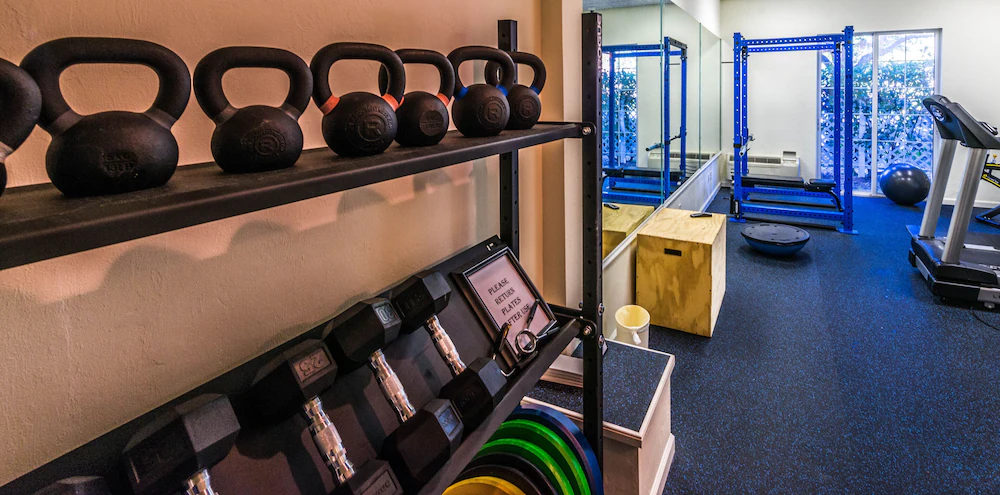
Fitness and downtime options that help travelers maintain routines during multi-day stays
-
Parking planning potential for carpools and work vehicles, with staging guidance to reduce first-night congestion
-
Meeting space availability that can support briefings when arranged ahead of arrival
Points of interest and attractions within a 2–3 mile radius
-
Promenade-style shopping and dining nearby for quick meals, coffee runs, and basic errands
-
Grocery corridors for stocking water, snacks, and breakfast basics without a long detour
-
Pharmacy stops for prescriptions, toiletries, and routine travel needs
-
Fuel stations and service corridors for carpools, vans, and quick in-and-out routing
-
Urgent care or walk-in clinic options for minor issues that should not derail the week
-
Casual dining clusters that can handle volume when the group returns late
-
Main road connectors that simplify routing between Bonita Springs, nearby beaches, and the Naples approach
Features of interest to group travelers
-
Block planning that scales from 15 to 50+ by splitting travelers into pods with one lead per 8–15 people
-
Staggered arrival windows grouped by vehicle, team, or shift to prevent front desk bottlenecks
-
Pre-submitted rooming list using full legal names to reduce desk time and avoid name-matching delays
-
Two-lead escalation model, one primary onsite contact and one backup, limiting who can request changes
-
Parking plan with carpool assignments, first-night staging guidance, and a driver list to reduce curb congestion
-
Breakfast timing plan to reduce morning drift and keep departures consistent across the roster
-
Short meeting and huddle strategy that relies on reserved space or a defined regroup point, not hallway coordination
-
Engine.com Incidental Coverage so workers do not need personal cards for incidental holds, improving check-in speed and consistency
-
Checkout controls built around a departure roster, planned extensions confirmed early, and issue reporting deadlines to minimize post-stay cleanup
Lodging Location

 Red Roof Inn
What is there more kindly than the feeling between host and guest?
- Login