
Group Booking Rates & Corporate Lodging
Group Booking Rates & Corporate Lodging
Uncommoner Hotel
135 MA-28, West Yarmouth, MA 02673, USA
Login to view our current rates & availability
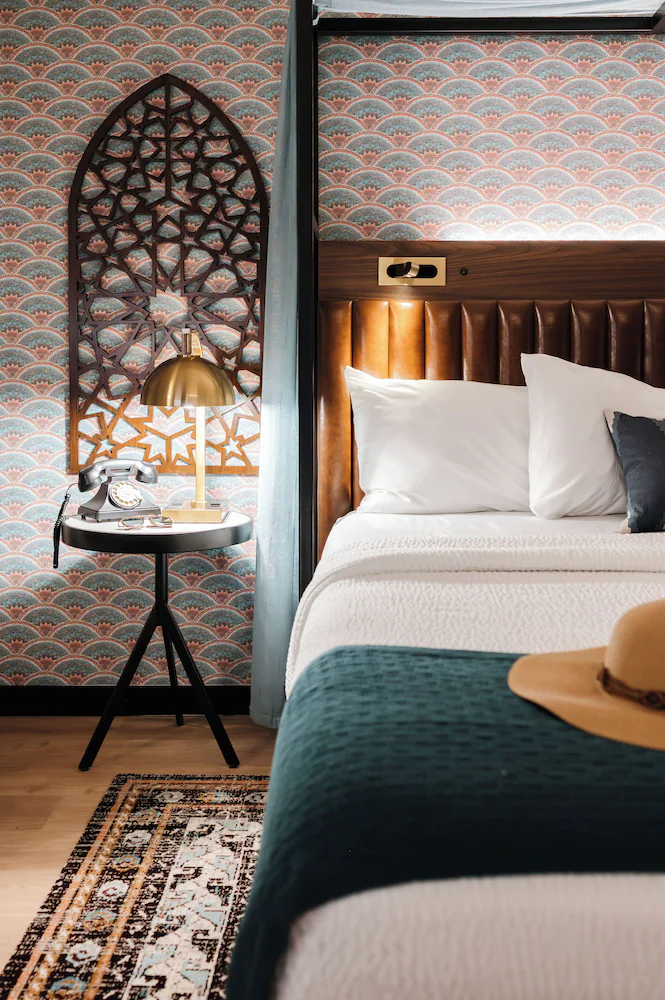

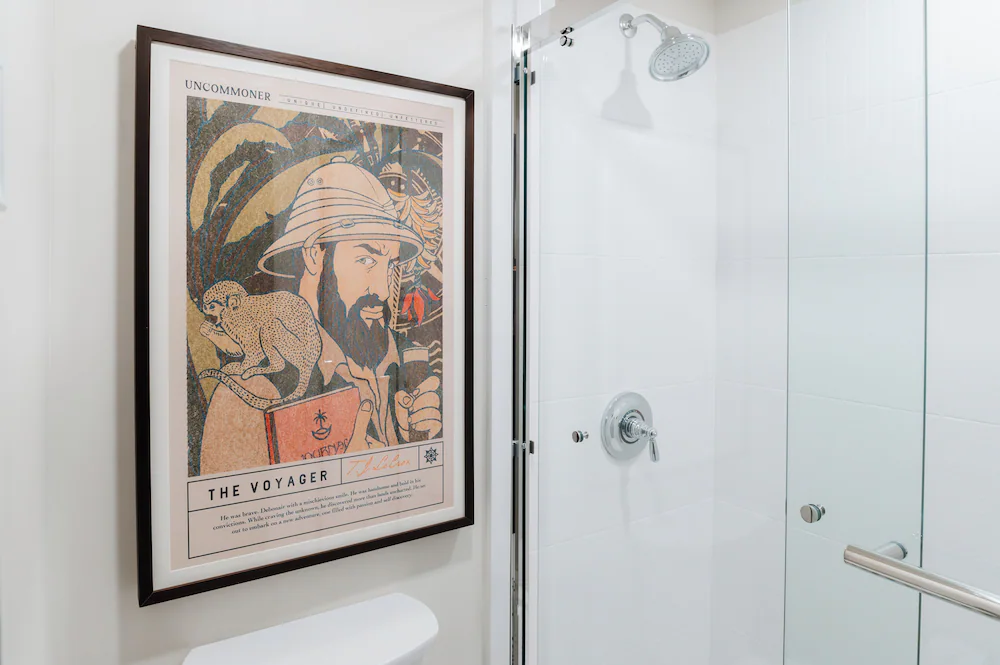


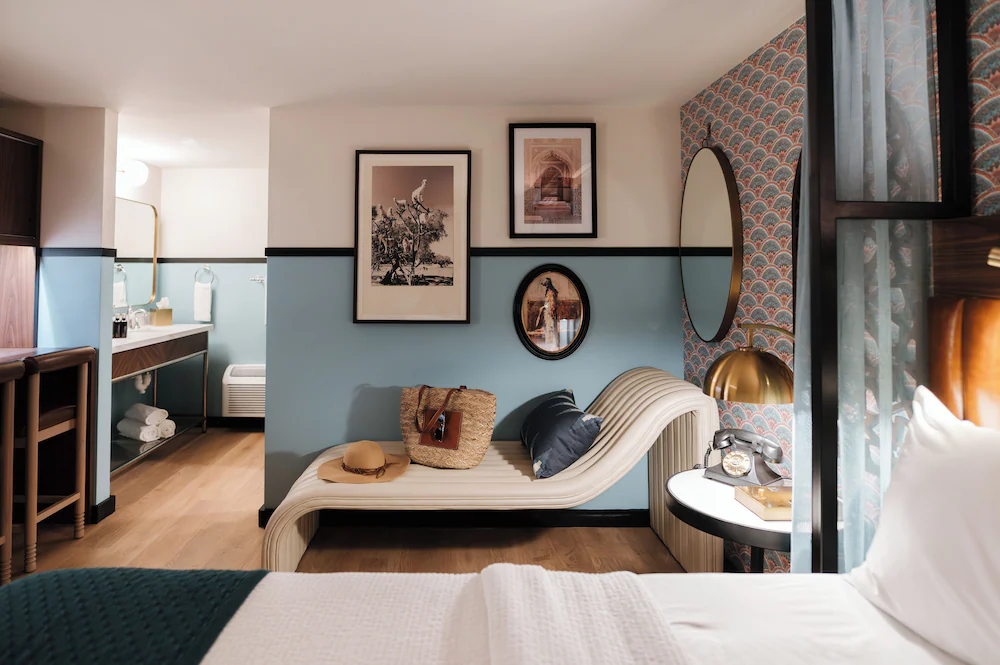

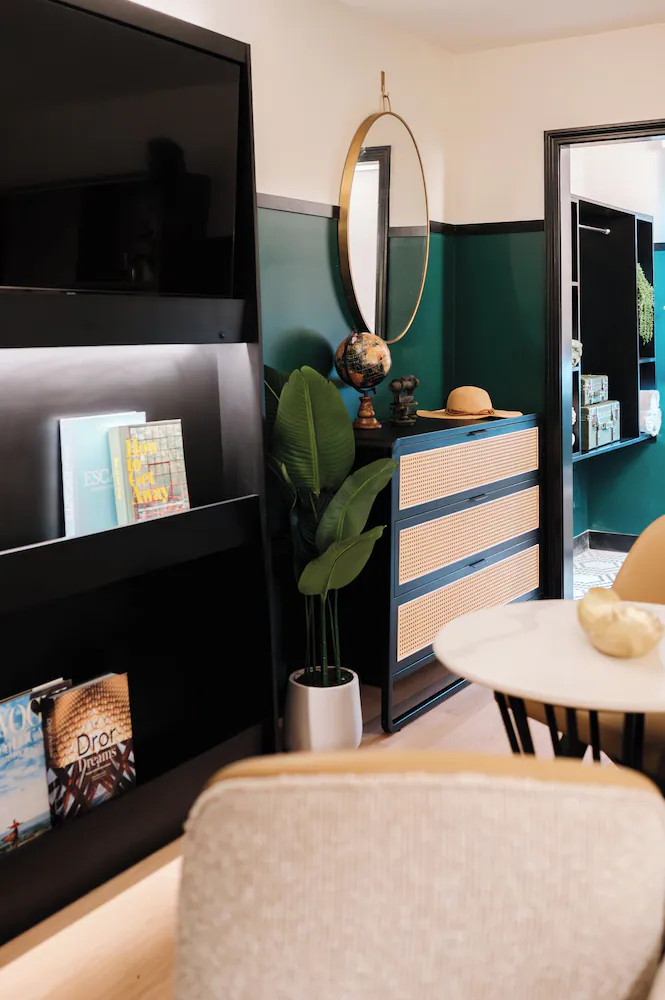





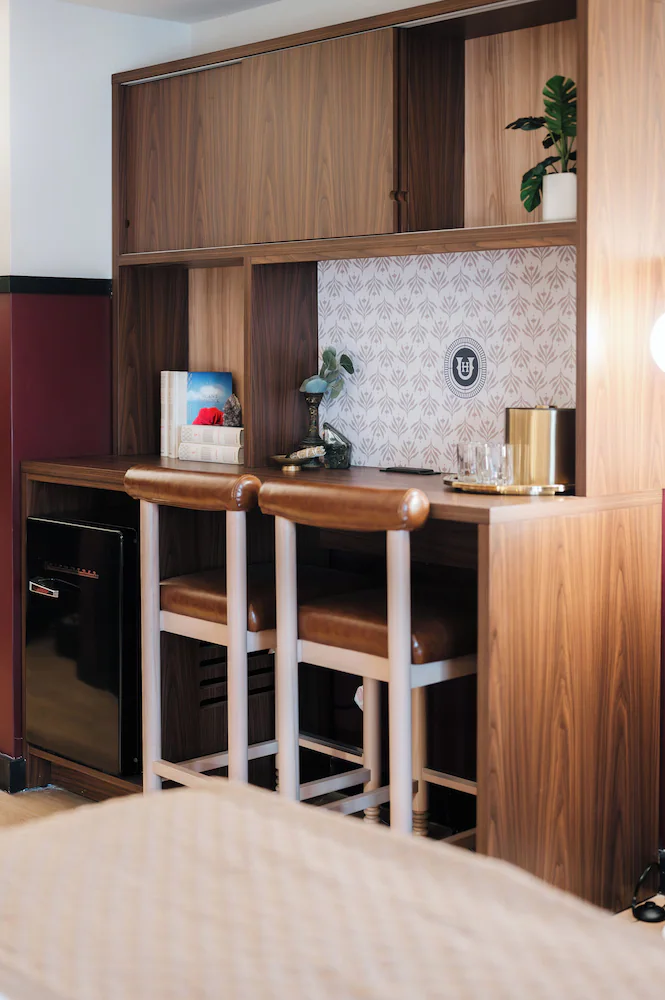


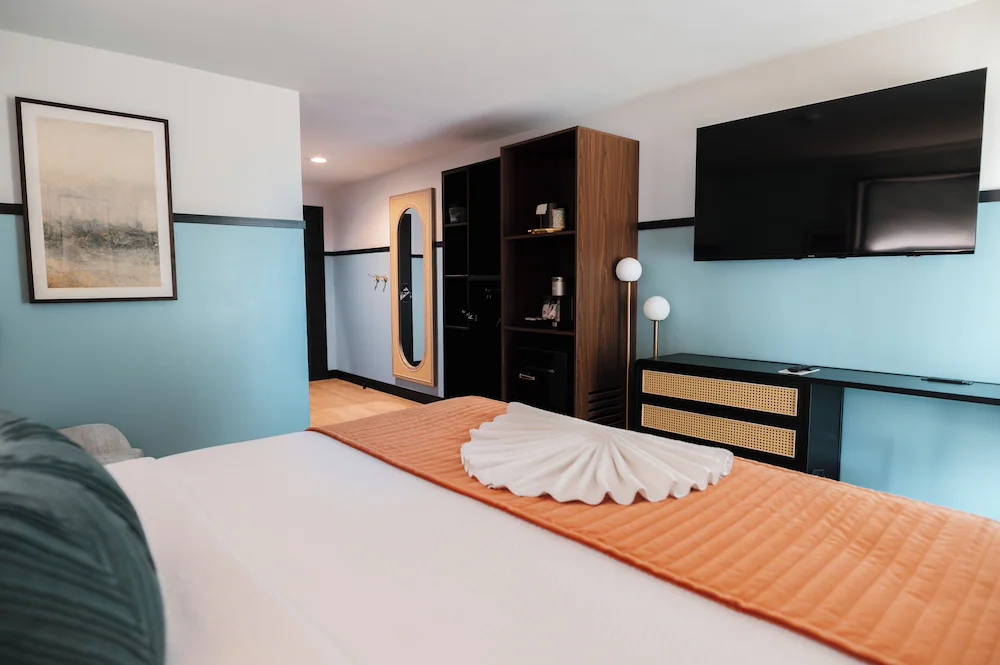


Accommodation Information
Arrival planning starts before anyone pulls into the driveway, and Uncommoner Hotel by Reverie Boutique Collection fits best when you treat it like a controlled intake point, not a casual drop-in. For a group of 15 to 50+ people, the win is predictability: one arrival window, one master plan, and a property that can support multiple keys, multiple names, and multiple schedules without your front desk conversations turning into a spreadsheet nightmare.
Next comes the inventory strategy, because capacity is not only about how many rooms exist. Crew-heavy groups usually need a mix of single-occupancy rooms for supervisors and shared configurations for teammates who are fine splitting space. When I build an allocation for 15–25, I focus on getting everyone on the same floor or in the same cluster, then add a small buffer for late adds and role changes. For 30–50+, I plan around movement: elevator timing, staging zones for luggage, and a rooming list process that keeps the lobby from filling up with tired arrivals holding phones up to show confirmation emails.
Then I map check-in like a production line, while keeping it polite. The goal is to remove decision points at the desk. I provide the hotel with a rooming list by full legal name, plus any notes that actually matter (accessibility requests, bed preference, quiet placement for early risers). I assign one or two on-site leads as the only people authorized to request swaps. Everyone else gets a simple instruction: arrive, show ID, pick up key, go to room. If your group is driving in from multiple job sites, stagger arrivals by 20–30 minutes and group people by vehicle so the front desk sees waves, not a flood.
After that, the money part has to be buttoned up, because incidental holds are where crews get frustrated. This is where Engine.com’s Incidental Coverage changes the tone of check-in. Instead of asking every worker to put a personal card down for a deposit or incidental authorization, you can set the trip up so those holds and incidental charges are handled under the company arrangement. That reduces awkward conversations at the desk, it keeps personal spending separate from work travel, and it removes the “I do not have a credit card” problem that can slow the entire line.
Finally, I plan for what happens after check-in, because groups do not just need beds. They need routines. Breakfast timing matters when vans roll out early. Parking needs to support larger vehicles without constant re-parking. Late arrivals need a plan that does not require calling ten people at midnight. A boutique-style property can still work extremely well for larger parties if you treat it as an organized operation: clear rules, clear roles, and a checkout plan that protects your team from surprise charges.
Key hotel features and amenities
-
Front desk operations that support pre-assigned keys when a rooming list is delivered in advance
-
Common areas that can function as a brief staging point for arrivals, quick regrouping, or morning meet-ups
-
Onsite food and beverage options or nearby grab-and-go access that supports early starts and late returns
-
Wi-Fi appropriate for basic work needs, dispatch updates, and day-to-day communication
-
Daily housekeeping policy clarity, with options to reduce service frequency for longer stays when the group prefers privacy and less disruption
-
Fitness access that helps long-stay travelers keep a consistent routine between shifts
-
Elevator and hallway flow that can handle multiple arrivals when you schedule intake windows instead of allowing everyone to land at once
Features of interest to group travelers
-
Room block structuring for 15–25 travelers using a single cluster, with a small inventory buffer for adds and changes
-
Larger allocations for 30–50+ travelers supported by staggered arrival times and a short list of authorized change-makers
-
Check-in workflow built around a pre-submitted rooming list, minimizing desk time per person
-
One primary onsite lead and one backup lead designated for key issues, room swaps, and late-arrival troubleshooting
-
Parking considerations for trucks, vans, and trailers, plus guidance on where larger vehicles should be placed to avoid morning gridlock
-
Bag drop or early-arrival staging plan so the lobby does not become a storage room while rooms turn over
-
Breakfast timing guidance for groups, including recommended windows and a plan for peak congestion
-
Layout planning for noise control, placing early-departure rooms away from late-night foot traffic when possible
-
Engine.com billing structure that supports a master arrangement for the stay, simplifying who pays for what
-
Engine.com Incidental Coverage configured so workers are not required to use personal cards for incidental holds, reducing friction at the desk
-
Departure controls that include a checkout roster, a key return method, and a process to confirm folios are routed correctly before everyone leaves
Points of interest and practical stops within a 2–3 mile radius
-
Grocery options for stocking water, snacks, and basic provisions for longer assignments
-
Quick-service dining for late arrivals who need food after standard dinner hours
-
Pharmacy access for essentials, prescriptions, and common travel needs
-
Hardware and supply stores for replacement tools, jobsite consumables, and last-minute materials
-
Fuel stations positioned for easy in-and-out routing for vans and work trucks
-
Local transit stops and ride pickup zones that help when not everyone has a vehicle
-
Medical clinics or urgent care facilities for minor issues that should not derail a full workday
-
Coffee shops and breakfast counters that can handle volume when the onsite area is crowded
-
Laundromat or wash-and-fold services for longer stays when in-room laundry is not part of the plan
-
A central district with restaurants and basic entertainment options for downtime on off nights
When I run this type of stay, I treat Uncommoner Hotel by Reverie Boutique Collection as the anchor point, and I build everything else around it: arrivals, keys, payments, and rules that keep the trip moving. Crews appreciate a check-in that feels straightforward, supervisors appreciate not getting pulled into front-desk negotiations, and finance appreciates a setup where charges are routed correctly from day one. With Engine.com supporting the booking and billing, especially Incidental Coverage, you can keep personal cards out of the process and keep the focus on getting everyone housed, rested, and ready for the next shift.
Lodging Location

 Hampton Inn & Suites
What is there more kindly than the feeling between host and guest?
- Login