
Group Booking Rates & Corporate Lodging
Group Booking Rates & Corporate Lodging
Wild Dunes Resort
5804 Palmetto Dr, Isle of Palms, SC 29451, USA
Login to view our current rates & availability















Accommodation Information
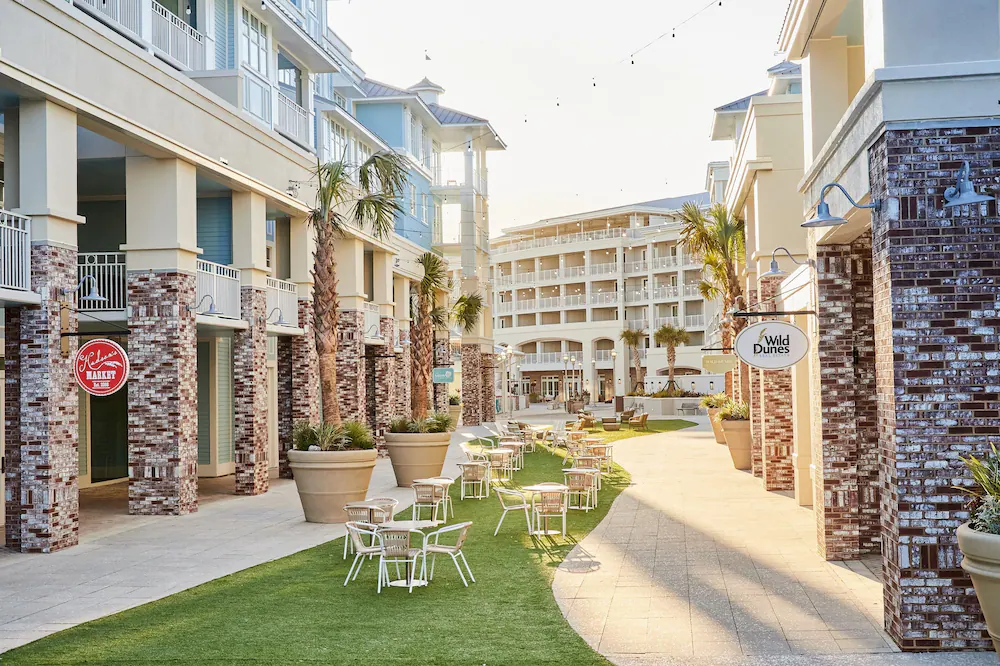
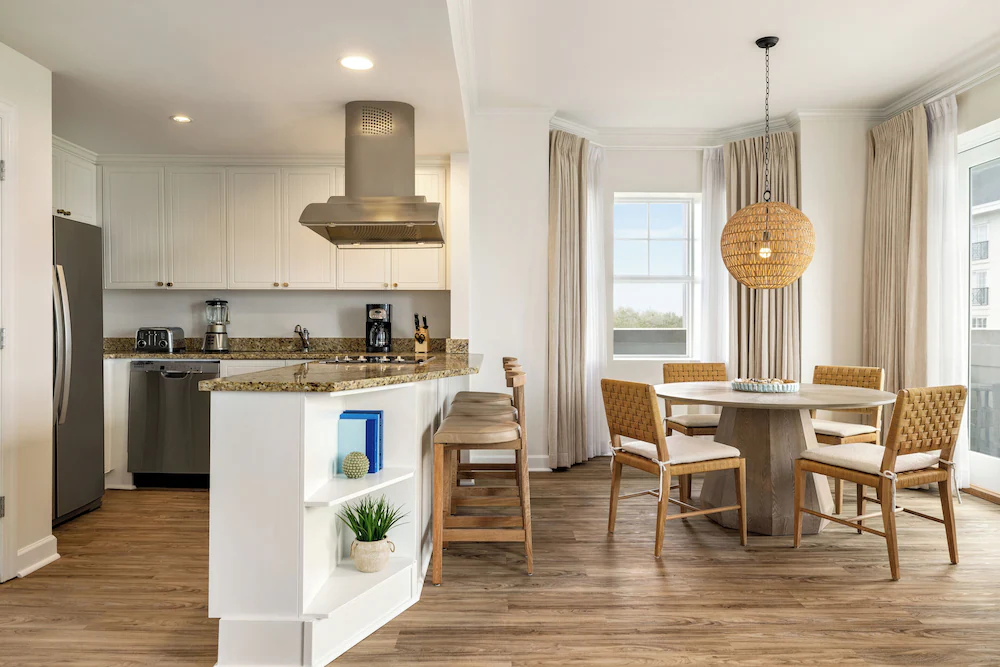
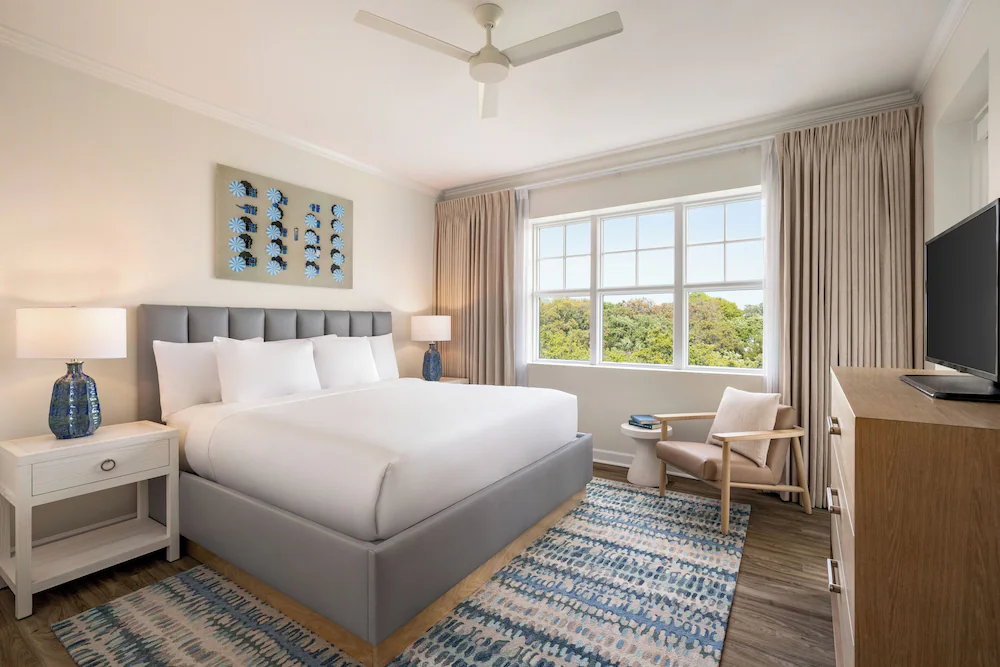
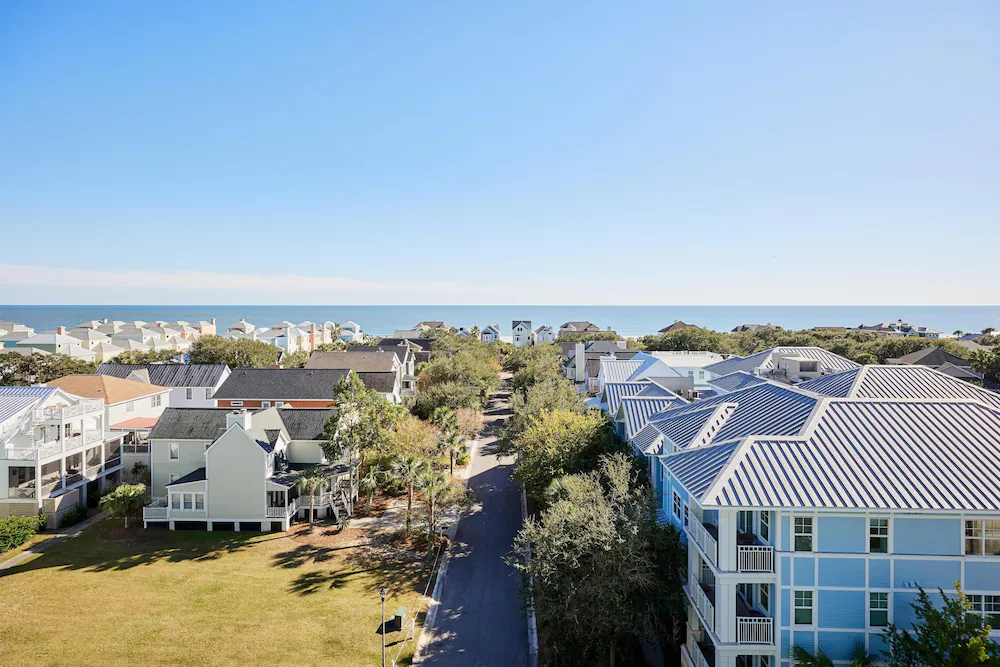
At Wild Dunes Resort, Residences at Sweetgrass, the property’s identity is the draw: resort-style residences that function like a flexible housing solution for organized groups, not just a standard hotel stay. When I am planning a room block for 15 to 50+ people, I treat this location as a “base of operations” with two strengths that matter immediately, space to spread out inside the residences and a resort campus that can support shared schedules for meetings, meals, and downtime.
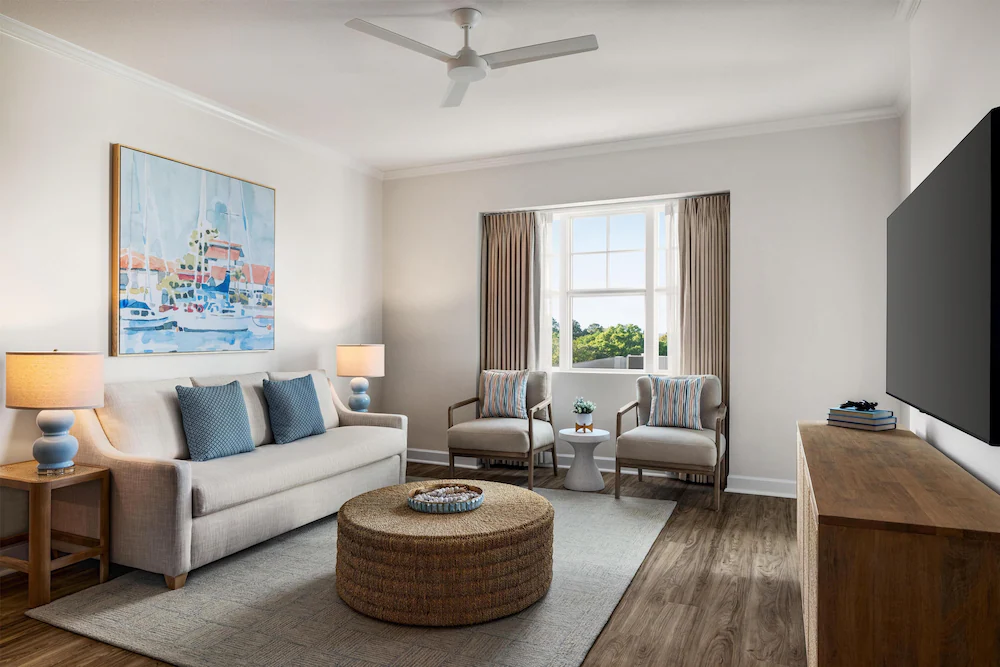
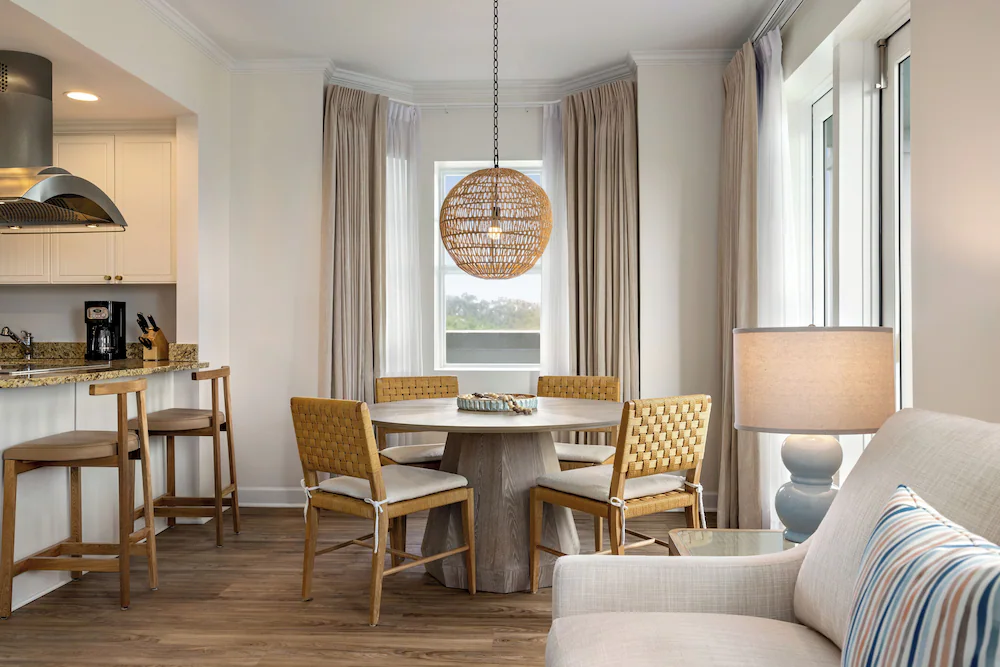
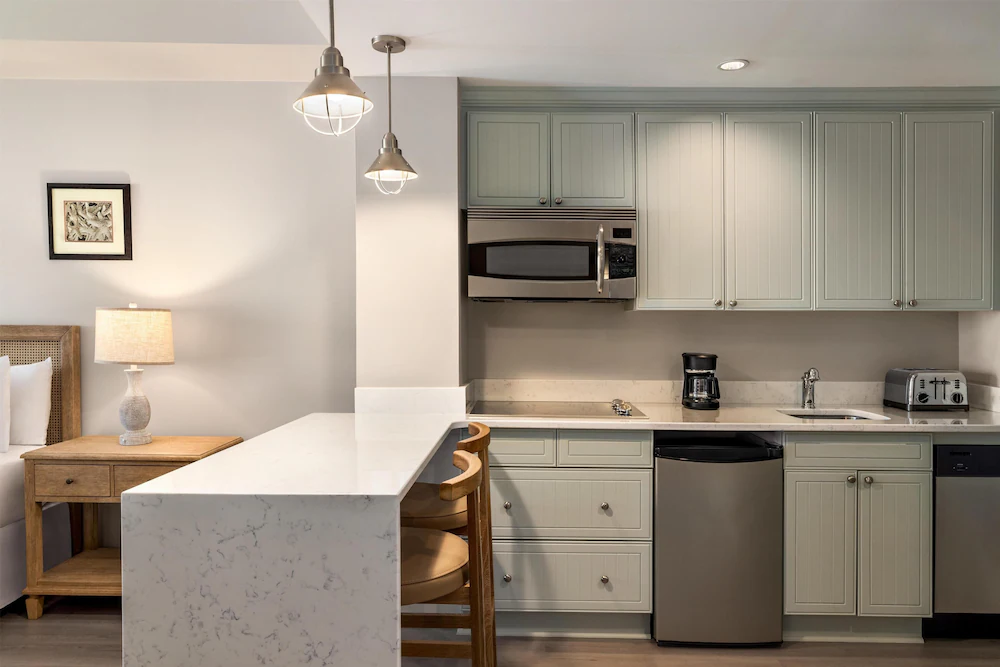
Because these are residence-style accommodations, I start by designing the block around how the group will live day to day. Teams traveling together usually benefit from layouts that offer more than a sleeping room, especially when you have early departures, late returns, and a need to regroup without always leaving the property. Many residences are set up to give travelers a living area and a more practical in-room routine, which can reduce friction for longer assignments or multi-day events where people need a place to decompress without piling into one person’s room.
From a capacity perspective, I plan this property as a mix-and-match solution. A 15–25 person group can often be handled with a tight cluster of residences and a simple key distribution plan. A 30–50+ person group requires a structured split, typically by team, function, or schedule, with clear rules for who can request changes. The advantage here is not only the number of keys, it is how well you can organize people into smaller pods, then manage those pods with one primary lead each.
Operationally, the check-in process is where a coordinator either looks like a hero or spends the night fielding calls. I run check-in like a controlled intake: I submit a rooming list in advance, I identify one primary onsite lead and one backup, and I ask the front desk to align keys to the roster whenever their process allows. Travelers get one instruction, arrive during their assigned window, show ID, pick up key packet, go straight to the unit. Exceptions route to the lead, not the front desk, which keeps the lobby calmer and prevents the same issue from being explained fifteen different ways.
Meanwhile, resort properties often have extra “moving parts” that impact groups, parking rules, wristbands or access protocols, and multiple buildings that can confuse first-timers. I handle that with a pre-arrival brief that includes the entry route, where to park, how to find the right building, and what to do if someone arrives after hours. I also schedule arrivals in waves, typically 20 to 30 minutes apart, so staff can process the group without a long line and travelers do not clog shared spaces with luggage.
Critically, incidental holds are the most common reason crews and teams get stuck at the desk. This is where Engine.com’s Incidental Coverage matters in a practical way. Instead of each traveler being asked to provide a personal card for an incidental authorization at check-in, the stay can be configured so those incidental requirements are handled under the company’s arrangement. That removes the need for workers to use personal cards, speeds up intake, and prevents personal funds from being tied up by holds that linger after checkout. It also reduces awkward moments when a traveler does not have a credit card available, which can stall a line and disrupt your arrival plan.
After check-in, I protect the schedule by building a daily routine that fits the property. Resort residences are useful for groups because people can move between their units and shared resort areas without always getting in a car. For corporate teams, that means you can run morning meetups, short planning sessions, and evening regroup points without renting offsite space for every small interaction. For wedding groups, it helps with readiness blocks and family logistics, since smaller groups can gather in a residence rather than crowding hallways.
Finally, checkout needs the same structure as arrival. I prepare a departure roster, confirm extension candidates early, and set a hard internal deadline for reporting room issues. The goal is clean folios and clear charge routing, with minimal post-stay cleanup for the back office. Engine.com supports that by centralizing the room block management and billing workflow, while Incidental Coverage keeps the traveler experience consistent from the first key pickup to the last checkout.
Key hotel features and amenities
-
Residence-style accommodations that support group routines beyond sleeping and showering
-
Resort campus feel with shared areas that can handle multiple sub-groups at once
-
Multiple buildings and unit-style layouts that make clustering by team or function possible
-
Food and beverage options on the resort that reduce offsite driving for basic meals
-
Pool and outdoor downtime options that help groups reset between long days
-
Event and meeting infrastructure available on the broader resort campus for planned sessions
-
Staff and operating procedures that align well with pre-planned rosters and arrival windows when coordinated in advance
Features of interest to group travelers
-
Scalable room block strategy for 15–25 travelers using tight clustering and a small buffer for last-minute adds
-
Structured planning approach for 30–50+ travelers using pods, each with a lead and a controlled arrival schedule
-
Pre-submitted rooming list to reduce check-in time per person and limit front desk troubleshooting
-
Key distribution plan that relies on pre-labeled packets when possible, plus a defined backup for after-hours arrivals
-
Clear building navigation instructions so travelers do not wander the property looking for the right residence
-
Parking guidance for carpools, vans, and larger vehicles, including a plan to prevent congestion during peak arrivals
-
Common gathering points identified in advance for daily standups, driver coordination, or quick updates
-
Engine.com room block support for consolidating booking details, change requests, and billing coordination
-
Engine.com Incidental Coverage to eliminate the need for workers to use personal cards for incidental holds, keeping intake fast and consistent
-
Checkout controls built around a departure roster, planned extensions, and early issue reporting to minimize post-stay follow-up
Points of interest and attractions within a 2–3 mile radius
-
Public beach access points along Isle of Palms for quick breaks and outdoor downtime
-
Beachfront dining and casual food options in the main Isle of Palms commercial area
-
Convenience shopping for water, snacks, sunscreen, and basic supplies
-
Local coffee stops suited for early mornings and quick pickups
-
The Isle of Palms County Park area for a straightforward outdoor reset
-
Marina access points for groups coordinating water-based outings or tours
-
Bike and beach gear rental options commonly available in the immediate Isle of Palms area
Lodging Location

 The Beach Club
What is there more kindly than the feeling between host and guest?
- Login