
Group Booking Rates & Corporate Lodging
Group Booking Rates & Corporate Lodging
Yachtsman
1304 N Ocean Blvd, Myrtle Beach, SC 29577, USA
Login to view our current rates & availability


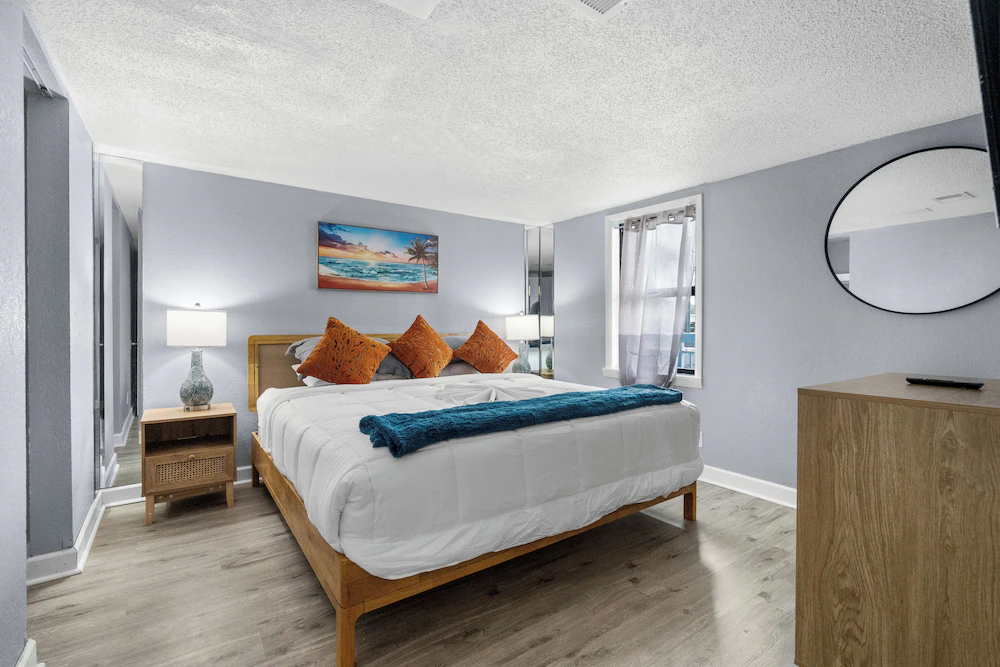

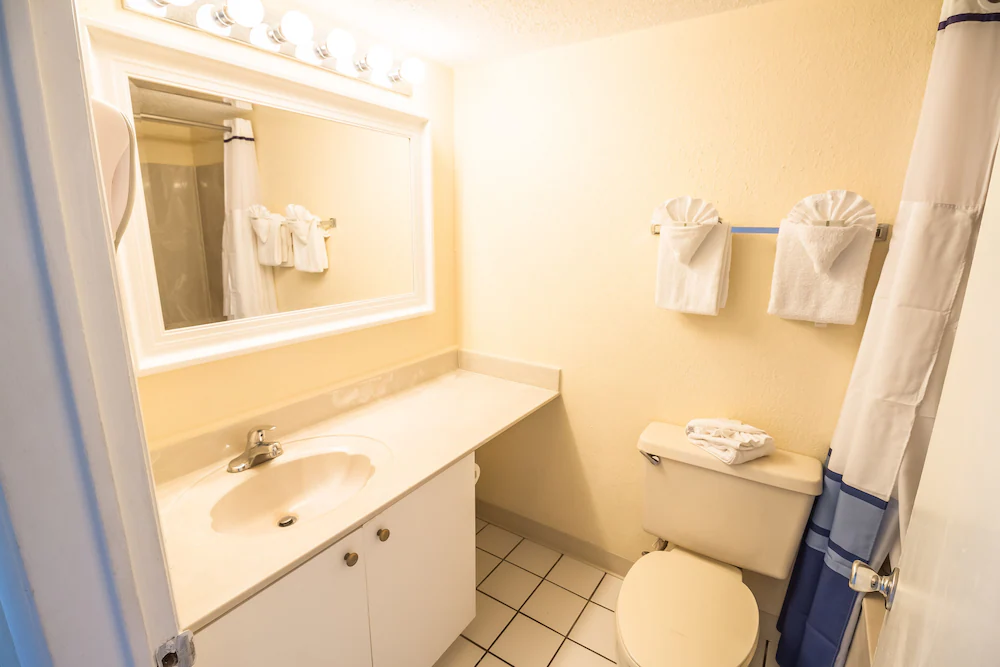


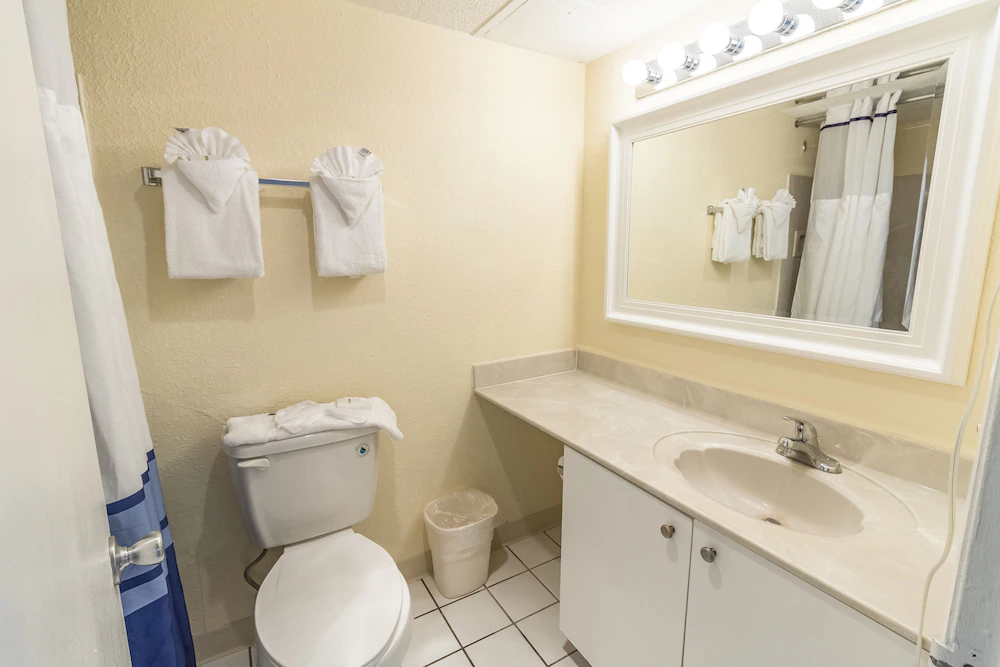
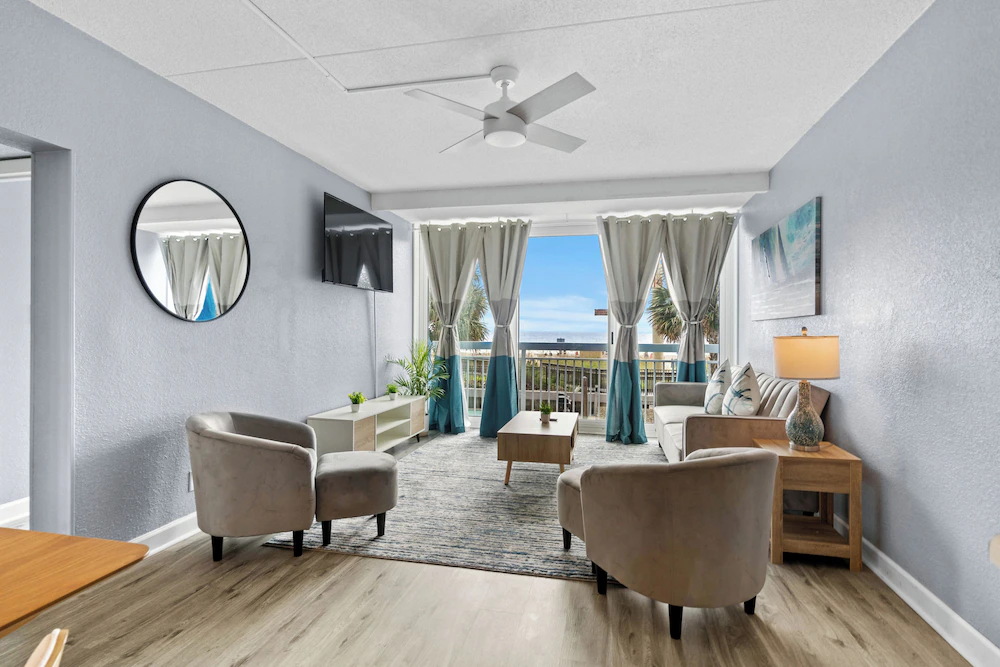


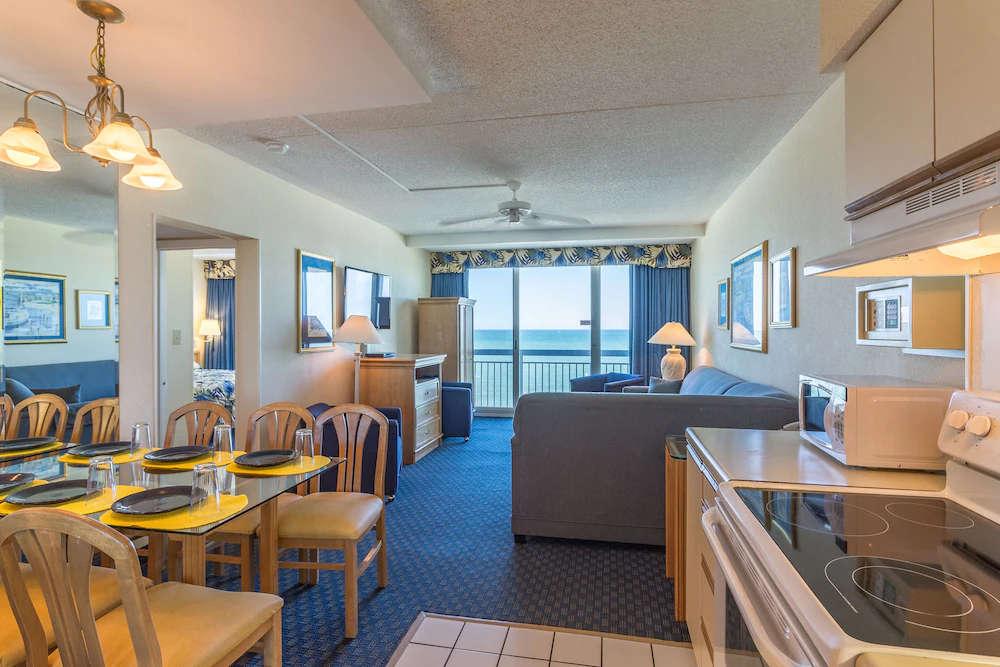

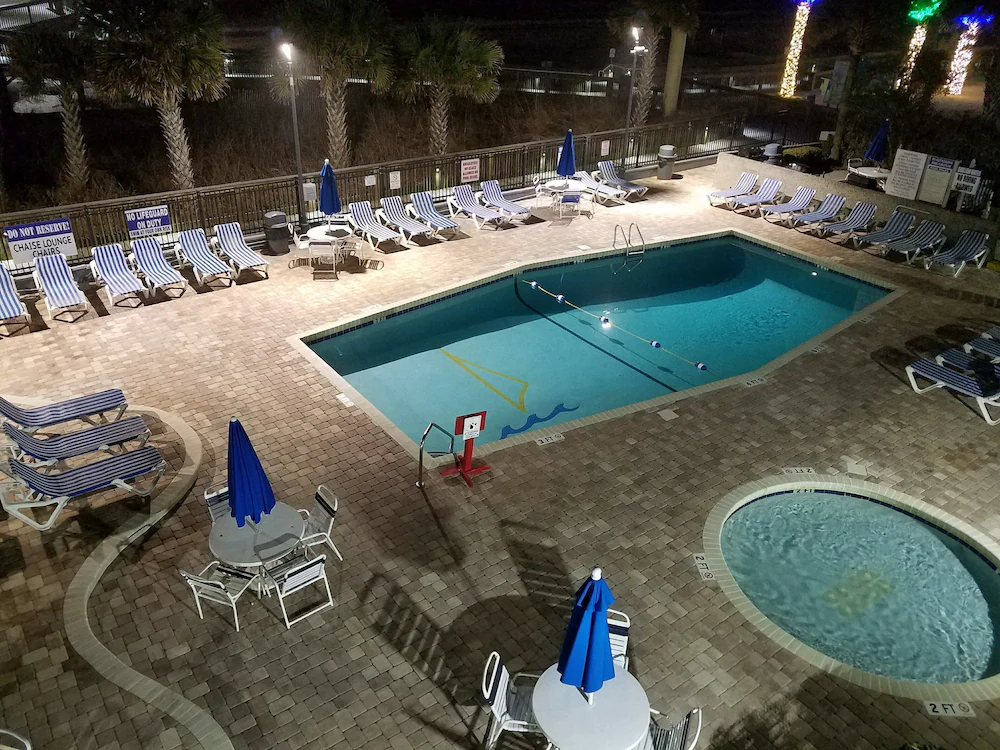


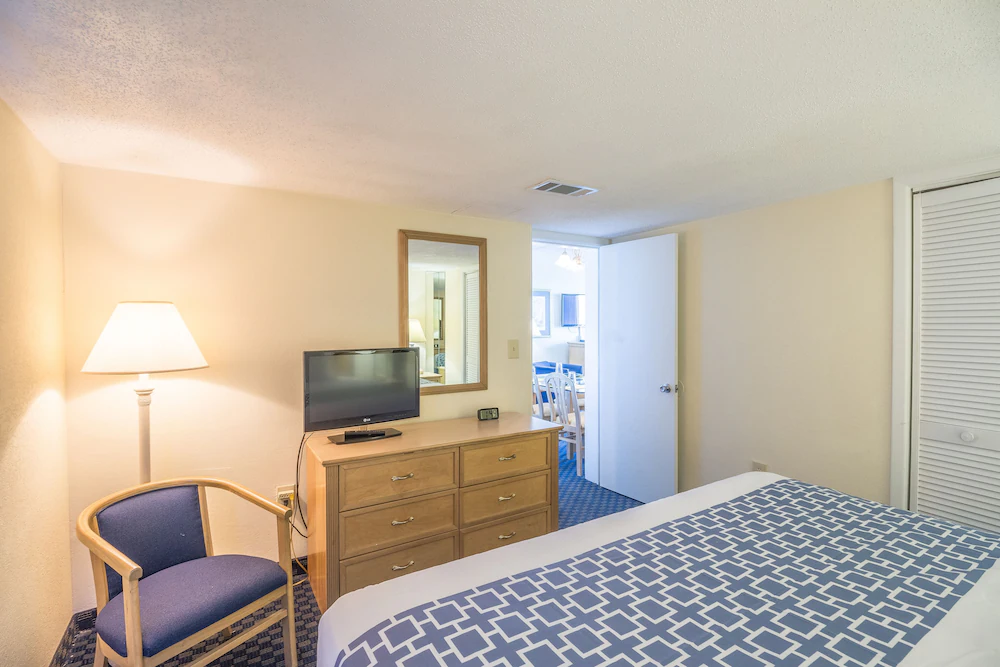


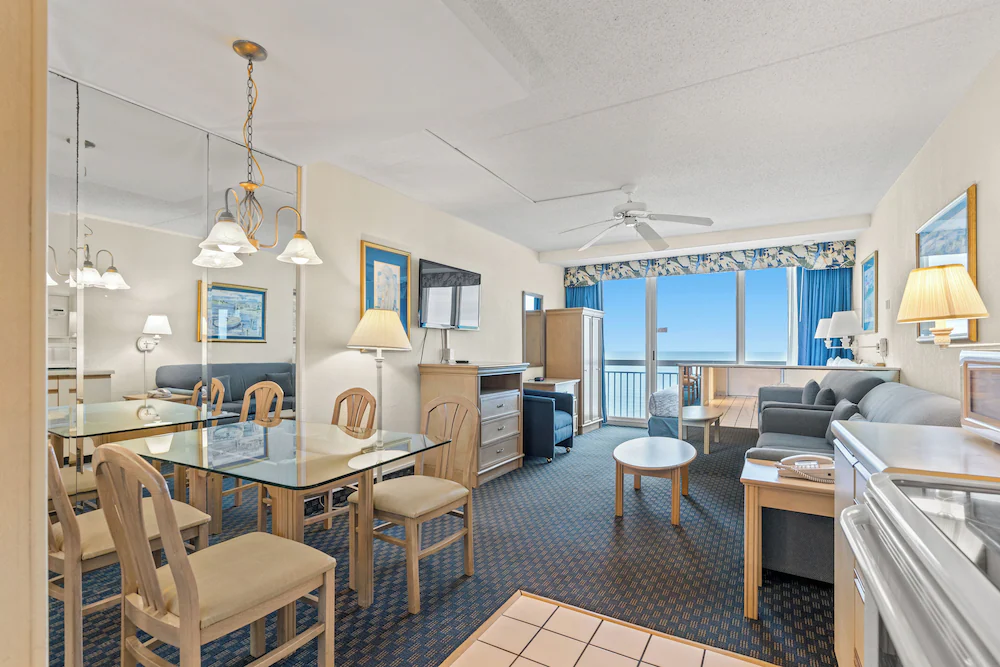



Accommodation Information
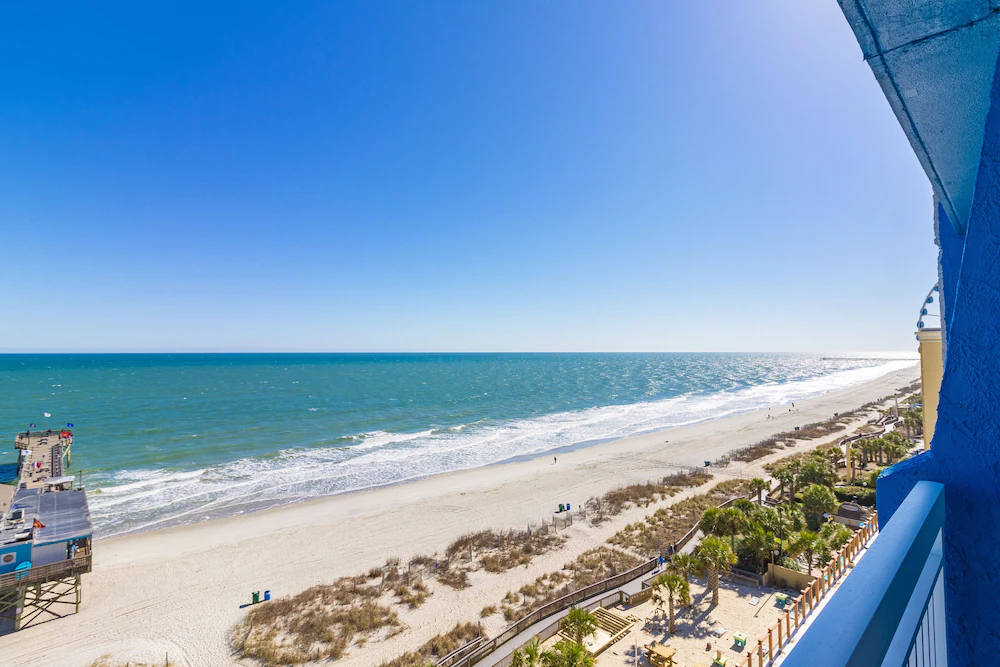
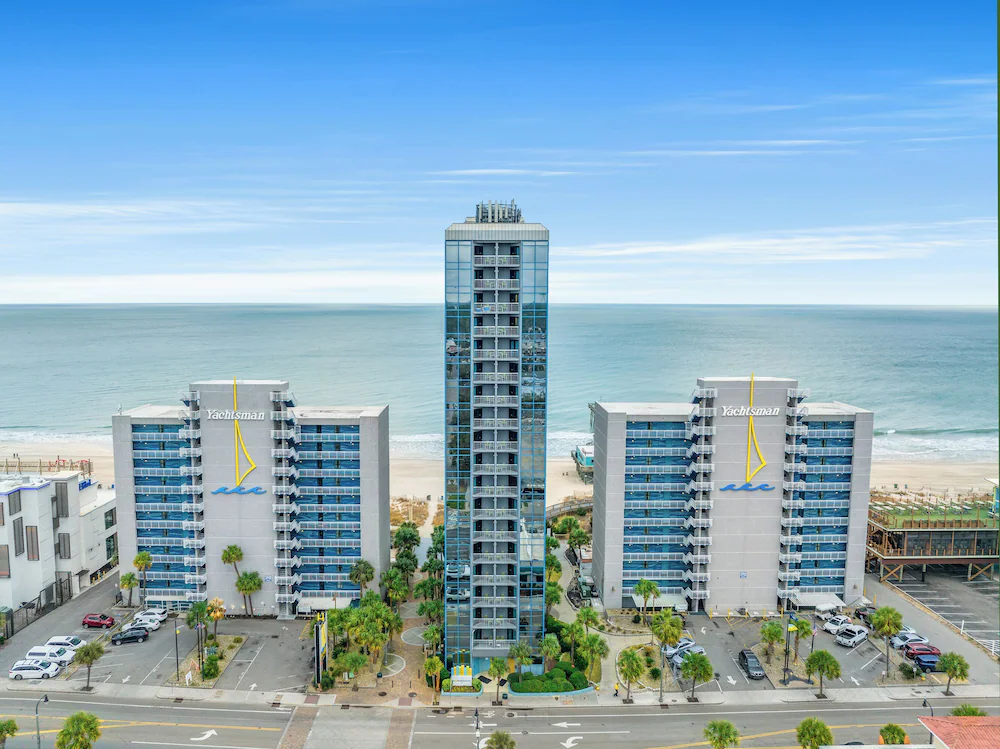
Oceanfront placement is the defining feature at Yachtsman Ocean Front Resort, and it changes how you run a large room block. Instead of shuttling people to the beach corridor, the group is already on-site, which makes it easier to schedule meet times, split pods for different activities, and keep downtime contained. For coordinators managing 15 to 50+ travelers, the goal is to take advantage of that location while keeping arrivals, keys, and charges controlled so the stay does not turn into a constant stream of small exceptions.
Capacity planning works best when you treat the roster as pods rather than a single crowd. A 15–25 person group can usually be clustered in a tighter footprint, which cuts down on “where are you” texts and reduces elevator congestion at peak moments. A 30–50+ group needs a pod structure, typically 8–15 travelers per pod, with one lead per pod who handles minor issues and funnels requests. That single decision, pod leadership, prevents the front desk from being asked the same question thirty times and keeps the coordinator from becoming a 24-hour call center.
Check-in is where group travel either stays calm or goes sideways. A finalized rooming list should be delivered in advance with full legal names, arrival dates, planned checkout dates, and notes that actually affect placement, such as accessibility needs and quiet placement for early risers. Two onsite contacts should be assigned, one primary and one backup, and they should be the only people authorized to request swaps, extensions, or exceptions. Everyone else follows a tight script: arrive during the assigned window, show ID, pick up keys, go straight to the room. For larger groups, stagger arrivals into 20 to 30 minute waves grouped by vehicle, shift, or team so the lobby does not fill up with luggage and repeated questions.
Billing control is the second pressure point, especially at an oceanfront property where incidental spending can show up quickly. Engine.com’s Incidental Coverage is designed to keep workers from being required to use personal cards for incidental authorizations at check-in. With coverage in place, intake moves faster, personal funds stay out of the process, and you avoid the common bottleneck where one traveler holds up the line because they do not have a card available or do not want a large hold placed on it. From the back-office side, it also reduces cleanup tied to individual deposits, reimbursements, and confusing folio splits.
Movement planning matters more than people expect at a beachfront resort. Elevators, parking flow, and luggage staging can turn into friction if everyone arrives at once. A simple vehicle plan helps: carpools assigned in advance, a driver list for anyone rotating vehicles, and written unloading guidance so the curb stays clear. If the group includes vans, trailers, or oversized vehicles, those needs should be communicated early so you are not improvising on arrival night.
During the stay, routines keep the property from becoming a coordination maze. Set one daily update window, one default meet point for quick regrouping, and one method for distributing schedule changes, usually through pod leads. If the trip is work-driven, prioritize predictable mornings and quiet evenings. If the trip is event-driven, schedule gathering times and make them specific so people are not wandering and asking the front desk where to go. Oceanfront access can be a benefit here because it gives you a natural reset option that does not require driving, which helps morale without adding logistical overhead.
Checkout should be treated as a controlled exit. Maintain a departure roster, confirm extensions at least two days before planned checkout, and set a hard deadline for reporting issues while travelers are still onsite. Key returns, parking passes, and final day instructions should be shared in writing the night before departure. The best outcome is clean charge routing, fewer disputed incidentals, and no last-day scramble caused by unclear responsibilities.
Key hotel features and amenities
-
Oceanfront setting with immediate access to the beach corridor
-
Resort-style common areas that help spread out larger groups outside guest rooms
-
Pool-focused downtime options that support quick resets between long days
-
In-room basics that support multi-day stays and simple daily routines
-
Front desk workflow that runs faster with a pre-submitted rooming list and scheduled arrival waves
-
Wi-Fi suitable for daily communication, schedule updates, and basic work needs
-
Outdoor areas that can serve as informal regroup points when you need short, controlled meetups
Points of interest and attractions within a 2–3 mile radius
-
Myrtle Beach Boardwalk area for dining clusters and easy group meet points
-
SkyWheel area as a clear navigation landmark and scheduled off-hours stop
-
Family Kingdom Amusement Park for a structured outing option for mixed-age groups
-
Myrtle Beach Convention Center corridor for teams tied to events and scheduled programming
-
Grocery and convenience shopping options for water, snacks, and basic supplies
-
Pharmacy stops for routine travel needs and last-minute essentials
-
Fuel stations and service corridors for carpools and quick in-and-out routing
Features of interest to group travelers
-
Pod-based room block planning for 15 to 50+ travelers, with one lead per 8–15 people
-
Staggered arrival windows grouped by vehicle, team, or shift to prevent lobby backups
-
Pre-submitted rooming list using full legal names to reduce desk time and avoid name-matching delays
-
Two-lead escalation model, one primary onsite contact and one backup, limiting who can request changes
-
Parking and unloading plan that keeps curb space clear and reduces first-night congestion
-
Daily routine structure with one update window and a defined regroup point to reduce coordination noise
-
Engine.com Incidental Coverage so workers do not need personal cards for incidental holds, improving check-in speed and consistency
-
Checkout controls built around a departure roster, planned extensions, and early issue reporting to minimize post-stay cleanup
Lodging Location

 Homewood Suites
What is there more kindly than the feeling between host and guest?
- Login