Crew Satisfaction Starts with Accommodations: How Travel Logistics Impact Retention


Your finance team spends hours chasing hotel receipts from your Phoenix crew while your Houston project sits understaffed because three workers quit over poor travel logistics. Meanwhile, your Denver team is booking $340/night rooms when per diem allows $225, and you only find out weeks later when the bill arrives.
Poor travel logistics frustrate crews, and blow project budgets. Even worse, poorly managed travel arrangements and accommodation experiences can contribute to turnover risk—and it's more expensive than you think. Let's examine the data behind crew satisfaction, the hidden costs of poor travel management, and how to transform logistics from a retention problem into a competitive advantage.
How Crew Satisfaction Directly Impacts Your Retention Numbers
Construction workers frequently cite travel arrangements as turnover factors. When you're already facing annual turnover rates around 4% in construction, accommodation problems are multiplying your headaches.
What’s more, replacing crew members costs 50-200% of their annual salary, depending on skill level. For a skilled construction worker earning $60,000/year, you're looking at $30,000-$120,000 per replacement. With turnover reaching 4-5% annually, you're cycling through this cost repeatedly.
The difference between retention and turnover often comes down to the basics: proximate accommodations that reduce commute stress, adequate hygiene facilities, and timely reimbursement rather than requiring workers to wait weeks. Construction firms achieving 80% retention rates report higher profit margins, better project completion rates, and improved safety records.
Problem 1: Out-of-Pocket Payment Requirements
Your crew gets to the job site and discovers the company card doesn't work with consumer booking platforms. Now they're covering hotel costs personally and hoping finance processes reimbursement before their credit card payment is due. One delayed reimbursement cycle, and good workers start looking elsewhere.
Problem 2: Location Disasters
You book the cheapest available rooms without checking proximity to the job site. Your crew faces 1-2 hour commutes each way, turning 8-hour workdays into 12-hour ordeals.
Beyond excessive commutes, they contend with:
- Noisy locations near highways
- Inadequate food options after long shifts
- Unsafe neighborhoods with vehicle break-ins
- Limited laundry facilities for extended stays
- Poor internet connectivity that prevents contact with family
Many report rooms lacking basic amenities like microwaves and refrigerators needed for multi-week rotations, creating a perfect recipe for burnout and resignation notices.
Problem 3: Policy Violations You Discover Too Late
Your Houston crew books rooms at $210/night when per diem allows $150. That's $1,800 over budget for one crew rotation, and you only find out when the credit card statement arrives three weeks later. By then, the damage is done—your project budget is blown, you've potentially lost your profit margin, and you have no recourse to recover those funds.
Finance teams must manually reallocate these unexpected costs, delaying month-end closing. Without visibility into violations until weeks later, the same problem is likely happening across multiple job sites simultaneously.
Problem 4: Accommodation Quality Failures
Poor living conditions at remote worksites contribute significantly to workforce retention challenges. Research from the energy sector shows high turnover rates at remote operations are influenced by multiple factors, with housing quality often cited as a significant contributor.
Construction crews face similar challenges with accommodations lacking:
- Functional kitchenettes
- Reliable laundry facilities
- Adequate space
Workers spending 3-4 weeks in substandard accommodations with broken amenities, poor internet, and inadequate security quickly reconsider their employment options. Field service technicians report that accommodation quality directly impacts their willingness to accept assignments. Common complaints include:
- Rooms with non-functioning HVAC systems
- Inadequate soundproofing between rooms
- Locations without proper meal options for crews working irregular hours
These conditions drive qualified workers to competitors offering better accommodations.
Problem 5: Administrative Chaos
Your Phoenix crew finished a three-week job. Seven workers stayed at four different hotels. They paid with personal cards, and now you're chasing seven people for receipts. One submitted immediately. Three haven't responded to emails. The process takes four hours for one crew on one project.
Finance teams spend 8-12 hours monthly chasing receipts from contractors and field employees. That's not expense management—that's archaeological excavation. Technology can transform this burden. Finance teams cut expense report preparation in half through automated policy enforcement. Real-time systems slash administrative time by 75% compared to traditional methods.
Calculate What Poor Accommodations Cost Your Company
Poor accommodations directly drive turnover, blow project budgets, and create compounding costs, with expenses running 50-200% of annual salary for each worker you lose:
- Direct Replacement Costs: A $60,000/year skilled worker costs $30,000-$120,000 to replace. If just two skilled workers quit annually, you're losing $60,000-$240,000 in replacement costs alone.
- Project Delay Multipliers: When crews quit mid-project, remaining work gets delayed while you recruit and train replacements. New worker productivity ramp-up takes 90-180 days, meaning project schedules slip and costs escalate.
- Safety Cost Exposure: Poor accommodation locations force longer commutes, creating fatigue conditions that increase incident rates.
- The Hidden Multiplier: When accommodation problems drive turnover, you're competing for scarce talent. AGC's 2025 survey found 92% of construction firms report difficulty filling positions, with 48% reporting new hires failing to show up or quitting shortly after starting.
Improve Crew Accommodations to Boost Retention
Prioritize Proximity Over Price
Book accommodations within 30 minutes of job sites. Long commutes create the fatigue conditions that multiply safety incidents and destroy satisfaction. Research confirms stressful commutes directly lead to absenteeism and tardiness among construction workers.
Prioritize Amenities Crews Actually Need
Based on available research, prioritize:
- Guaranteed parking for trucks and equipment
- Kitchen facilities for extended stays
- Reliable laundry facilities for multi-week rotations
- Quality hygiene facilities with privacy
Plan for Timeline Changes From Day One
Projects shift. Equipment breaks. Weather happens. Your travel platform should handle reality, not just the original schedule. By providing guaranteed refunds instead of travel credits when timelines change, organizations can reduce costly modification fees and improve crew satisfaction, factors that research shows directly impact retention, with 55-60% of mobile workers citing travel arrangements as drivers of turnover decisions.
Enable Real-Time Coordination With Crews
Implement direct communication channels between crews and accommodation providers. When your foreman calls at 6 PM because weather shut down the job site and they need to extend stays, he shouldn't get an automated system. Real-time communication ensures crews can quickly adjust accommodation needs without delays, reducing frustration and keeping operations flexible during unexpected schedule changes.
Negotiate Corporate Rates Near Job Sites
Negotiate direct relationships with hotel chains near common work areas. According to industry research summarized by Business Travel News Europe, policy-compliant bookings typically cost less than exceptions, though exact savings percentages vary by source and tend to be substantial.
Use Technology to Control Travel Management and Boost Satisfaction
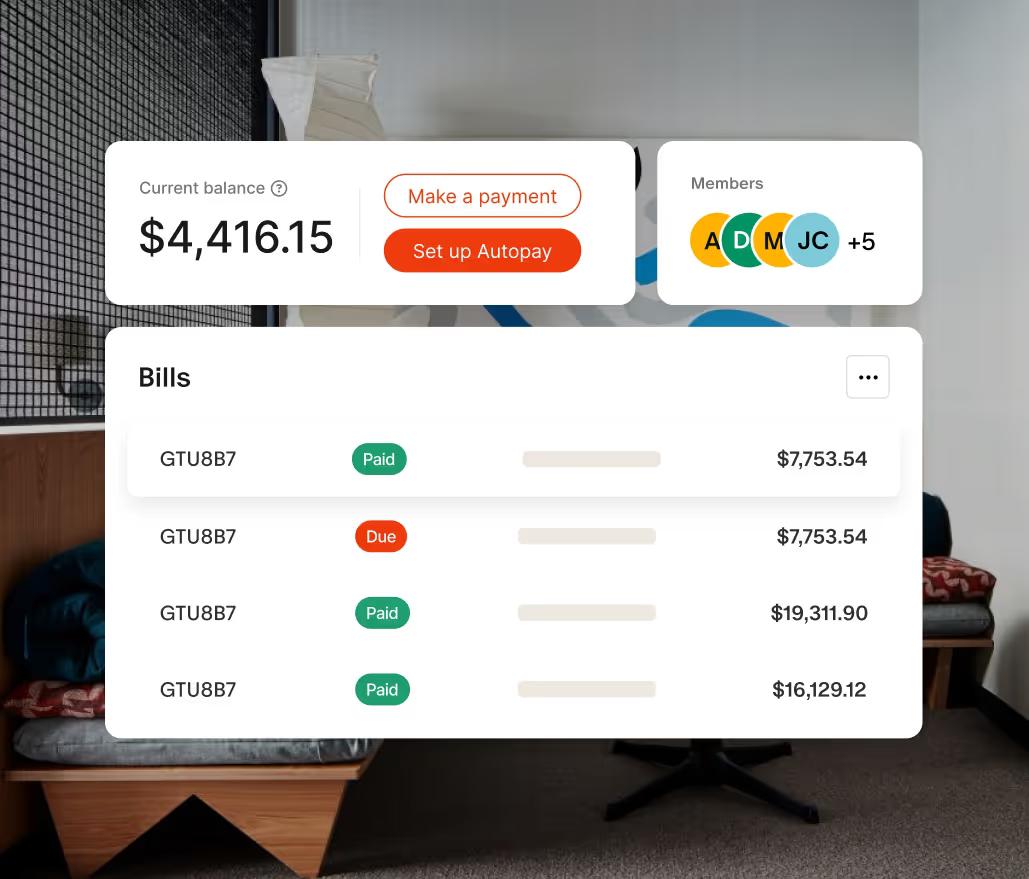
Engine's crew travel platform eliminates out-of-pocket expenses through direct billing, enforces policy at booking instead of after charges hit, provides real-time visibility into project costs, and guarantees refunds when timelines shift. Companies like RMS Energy cut $87,000 in travel costs while saving finance teams 15+ hours monthly on reconciliation.
Stop Policy Violations Before They Happen
Real-time policy controls show crews only compliant options at booking. If it's over per diem, it doesn't appear in search results. Your field supervisor books 12 rooms for a crew rotation, and Finance knows immediately, instead of three weeks later when the bill arrives.
Engine makes it easy to tag every booking to project codes automatically, eliminating the chaos of matching expenses to jobs after the fact. RMS Energy switched from consumer booking platforms to a centralized system and immediately stopped policy violations before charges occurred, contributing to their $87,000 in annual savings.
Eliminate Out-of-Pocket Expenses and Receipt Chasing
Direct billing consolidates all hotel charges into one monthly invoice instead of forcing crews to pay personally and wait for reimbursement. Finance teams waste hours at month-end matching receipts to projects and chasing missing documentation.
K&K Electric eliminated the weekly cycle of booking room authorization forms, chasing hotel confirmations, and reconciling charges, saving 30 hours per month on booking and reconciliation. RMS Energy saw similar results, cutting reconciliation time by approximately 50%.
Recover Budget When Projects Shift
Projects shift. Equipment breaks. Weather happens. Traditional booking platforms only offer travel credits that expire unused, turning timeline changes into sunk costs.
Browning Chapman saved $45,000+ on accommodation expenses through flexible cancellation policies that provide guaranteed refunds instead of travel credits. RMS Energy eliminated forfeiture losses entirely when project timelines shifted, turning what used to be sunk costs into recovered budget.
Get Travel Logistics Right Every Time with Engine
Travel logistics should be central to your retention strategy. The companies winning the retention battle understand this connection. They've moved beyond chasing receipts to preventing problems before money gets spent through real-time policy enforcement and guaranteed flexibility when timelines change, reducing the administrative friction that compounds worker dissatisfaction.
Ready to eliminate crew booking chaos? Engine handles crew coordination, project cost tracking, and timeline changes, giving you real control instead of spreadsheet nightmares.

Frequently Asked Questions
How do you handle crew pushback on new travel booking requirements?
Focus on eliminating pain points, not adding restrictions. Show how the new system eliminates out-of-pocket expenses, provides 24/7 support, and offers guaranteed refunds when plans change. Most resistance comes from fear of more bureaucracy. Demonstrate that good systems reduce administrative burden on crews.
What's the difference between consumer platforms and crew travel management?
Consumer platforms require individual transactions with manual reconciliation. Corporate crew travel management platforms provide bulk booking, direct billing, real-time policy enforcement, and project-level reporting.
How quickly can you implement a crew travel management system?
Basic booking and billing can be operational within 2-4 weeks. Full ERP integration and custom reporting typically require several months. Start with core functionality that immediately eliminates out-of-pocket expenses and receipt chasing, then add advanced features incrementally.













.avif)


.avif)


