Easily Manage & Avoid Hotel Incidentals While on Business Travel

Engine Marketing
July 16, 2025
Easily Manage & Avoid Hotel Incidentals While on Business Travel

Hotel Incidentals & Their Impact on Your Business

Incidentals can tie up credit and slow month-end close. Control them with clear policies and smarter booking practices.

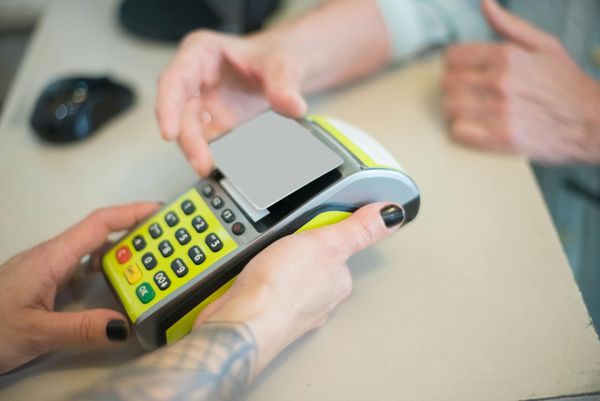
Hotel incidentals are charges beyond the room rate and tax. At check-in, most hotels place a temporary hold to cover extras like parking, minibar, room service, laundry, and fees. Holds release after checkout, but timing varies by property and card issuer.

For businesses, the impact adds up fast. Holds across multiple rooms tie up credit and can block short-notice bookings. Late-posting charges slow reconciliation and month-end close. Personal card use creates reimbursement lag and risk. Manual authorization forms expose billing details. Errors or duplicates trigger follow ups with hotel accounting. The result is avoidable drag on working capital and team time.

If you want to avoid traveler-side holds and cut reconciliation time, you can centralize approved incidentals under a company account. With Engine Direct Bill, eligible charges route to your consolidated invoice with attached folios and project tags, and travelers typically avoid personal card holds at check-in. Availability and rules vary by property.

Easily Avoid Incidentals With Engine

How Incidentals Impact Your Business Travel & Cash Flow

/* Scoped to this component only */ #incidentals-compare { --accent:#ff4700; --bg:#f7f7f7; --line:#ececec; --text:#222; --muted:#666; } #incidentals-compare .card { border:2px solid var(--accent); border-radius:14px; background:#fff; box-shadow:0 2px 10px rgba(0,0,0,.05); overflow:hidden; } #incidentals-compare .hdr { display:flex; align-items:center; gap:10px; background:linear-gradient(0deg, rgba(255,71,0,.06), rgba(255,71,0,.06)); border-bottom:1px solid var(--line); padding:14px 16px; } #incidentals-compare .hdr h3 { margin:0; font-size:18px; color:var(--text); } #incidentals-compare table { width:100%; border-collapse:collapse; color:var(--text); } #incidentals-compare th, #incidentals-compare td { padding:14px 12px; vertical-align:top; } #incidentals-compare th { text-align:left; font-weight:700; border-bottom:2px solid var(--accent); } #incidentals-compare tbody tr:nth-child(odd) { background:#fafafa; } #incidentals-compare tbody tr:hover { background:#f3f3f3; } #incidentals-compare .engine-row { background:rgba(255,71,0,.06); outline:2px solid rgba(255,71,0,.12); } #incidentals-compare .option { display:flex; align-items:center; gap:10px; font-weight:600; } #incidentals-compare .muted { color:var(--muted); font-size:14px; } /* New “What to Expect” layout */ #incidentals-compare .expect { display:grid; gap:10px; grid-template-columns: 1.25fr 1fr; /* bullets | meters */ } #incidentals-compare .expect .bullets { display:grid; gap:6px; } #incidentals-compare .expect .bullet { display:flex; gap:8px; align-items:flex-start; } #incidentals-compare .expect .bullet svg { width:18px; height:18px; color:var(--accent); flex:0 0 18px; margin-top:2px; } #incidentals-compare .meters { display:grid; gap:10px; } #incidentals-compare .meter { display:grid; gap:6px; } #incidentals-compare .meter-label { font-size:13px; color:#333; font-weight:600; } #incidentals-compare .bar { position:relative; height:10px; border-radius:999px; background:#e9e9e9; overflow:hidden; border:1px solid #ddd; } #incidentals-compare .bar i { position:absolute; left:0; top:0; bottom:0; width:var(--fill,50%); background:var(--accent); } #incidentals-compare .meter-hint { font-size:12px; color:var(--muted); } #incidentals-compare .chips { margin-top:4px; display:flex; flex-wrap:wrap; gap:6px; } #incidentals-compare .chip { font-size:12px; padding:4px 8px; border-radius:999px; background:rgba(255,71,0,.12); color:#111; border:1px solid rgba(255,71,0,.25); white-space:nowrap; } /* Mobile */ @media (max-width:780px){ #incidentals-compare .expect { grid-template-columns:1fr; } } /* Visually hidden for a11y */ #incidentals-compare .sr-only { position:absolute; width:1px; height:1px; padding:0; margin:-1px; overflow:hidden; clip:rect(0,0,0,0); white-space:nowrap; border:0; } How Incidentals Work: Quick Comparison Option What to Expect Credit Card Authorization reduces available credit; not a completed charge. Typical release within a few days; some issuers take up to a week. Good cash-flow Team-friendly Most common Release speed Approximately 75 percent (faster) Often 1–3 days; up to 7 Cash-flow impact Approximately 35 percent (lower impact) Low to moderate Debit Card Funds are encumbered directly in the account until release. Perceived release can feel slower than credit. Simple for single room Watch daily limits Release speed Approximately 55 percent (moderate) Often 2–5 days Cash-flow impact Approximately 70 percent (higher impact) Medium to high Engine Account (Centralized Billing) Approved incidentals route to your Engine Direct Bill account under negotiated terms. Travelers typically avoid personal card holds at check-in; charges roll into a consolidated invoice with folios. No personal holds Consolidated invoice Per-night caps Category controls Availability varies by property; hotels may still place a small hold for extras outside policy. Release speed Approximately 95 percent (fastest) No personal hold in most cases Cash-flow impact Approximately 20 percent (lowest) Lowest for travelers; centralized for finance

See Real-world Numbers | How Incidentals Impact Your Business & Employees

Planning check-ins is smoother when travelers do not need a personal card for incidentals. Our Incidentals Coverage Impact Calculator shows how coverage reduces front-desk issues, saves admin time, and helps get your employees to their rooms. faster after a long day of work.

It also models the employee side. When personal cards are not required, you cut out-of-pocket holds and the reimbursement tickets that follow. Turn the employee impact on in the tool and add monthly stays to estimate dollars kept off employee cards.

/* ====== THEME AND SCOPE ====== */ .db-calc { --brand:#ff4700; --bg:#ffffff; --text:#111111; --muted:#606060; --card-bg:#f0f0f0; /* darker grey input area */ --line:#dcdcdc; --tile-bg:#ffffff; --tile-line:#e6e6e6; --shadow:0 6px 18px rgba(0,0,0,.06); font-family:system-ui,-apple-system,Segoe UI,Roboto,Arial,sans-serif; max-width:900px; margin:0 auto; padding:16px; border:1px solid var(--brand); border-radius:14px; background:var(--bg); color:var(--text); } .db-calc *{ box-sizing:border-box; } .db-calc h2{ margin:0 0 8px; font-size:1.45rem; letter-spacing:.2px; } .db-calc p.helper{ margin:0 0 14px; color:var(--muted); font-size:.95rem; } /* Badges / chips */ .db-calc .badge{ display:inline-flex; align-items:center; gap:6px; background: color-mix(in srgb, var(--brand) 10%, transparent); color:var(--brand); border:1px solid color-mix(in srgb, var(--brand) 35%, transparent); padding:4px 10px; border-radius:999px; font-size:.8rem; font-weight:600; } /* Layout helpers */ .db-calc .row{ display:grid; grid-template-columns:1fr 1fr; gap:12px; } .db-calc .row-3{ display:grid; grid-template-columns:1fr 1fr 1fr; gap:12px; } .db-calc .grid{ display:grid; grid-template-columns:1fr 1fr; gap:12px; } @media (max-width:860px){ .db-calc .row, .db-calc .row-3, .db-calc .grid{ grid-template-columns:1fr; } } /* Cards and inputs */ .db-calc .card{ background:var(--card-bg); border:1px solid var(--line); border-radius:12px; padding:14px; box-shadow:var(--shadow); } .db-calc .subcard{ background:#fafafa; border:1px dashed #d7d7d7; border-radius:10px; padding:12px; margin-top:12px; } .db-calc label{ display:block; font-size:.9rem; margin:8px 0 6px; color:var(--text); } .db-calc input[type="number"], .db-calc select{ width:100%; padding:10px; border:1px solid #c7c7c7; border-radius:10px; background:#fff; font-size:.95rem; outline:none; transition:border-color .15s ease, box-shadow .15s ease; } .db-calc input[type="number"]:focus, .db-calc select:focus{ border-color:var(--brand); box-shadow:0 0 0 3px color-mix(in srgb, var(--brand) 25%, transparent); } /* Slider group (range + numeric) */ .db-calc .slider-group{ display:grid; grid-template-columns:1fr auto; gap:10px; align-items:center; } .db-calc input[type="range"]{ width:100%; appearance:none; height:6px; border-radius:999px; background:#ddd; outline:none; background-image: linear-gradient(var(--brand), var(--brand)); background-size: var(--fill, 0%) 100%; background-repeat:no-repeat; } .db-calc input[type="range"]::-webkit-slider-thumb{ appearance:none; width:18px; height:18px; border-radius:50%; background:var(--brand); cursor:pointer; border:2px solid #fff; box-shadow:0 0 0 1px rgba(0,0,0,.15); } .db-calc input[type="range"]::-moz-range-thumb{ width:18px; height:18px; border-radius:50%; background:var(--brand); border:2px solid #fff; cursor:pointer; } /* Buttons */ .db-calc .btn{ appearance:none; border:none; border-radius:10px; padding:12px 14px; font-weight:700; cursor:pointer; background:#111; color:#fff; transition:transform .03s ease, filter .15s ease; } .db-calc .btn:hover{ filter:brightness(1.05); } .db-calc .btn:active{ transform:translateY(1px); } .db-calc .btn.secondary{ background:#f3f3f3; color:#111; border:1px solid #d8d8d8; font-weight:600; } /* Result tiles */ .db-calc .results .stat{ background:var(--tile-bg); border:1px solid var(--tile-line); border-radius:12px; padding:12px; box-shadow:var(--shadow); } .db-calc .results .stat strong{ display:inline-block; margin-bottom:4px; } /* Progress bar */ .db-calc .bar{ position:relative; width:100%; height:10px; background:#eee; border-radius:999px; overflow:hidden; margin-top:6px; border:1px solid #e2e2e2; } .db-calc .bar .fill{ position:absolute; left:0; top:0; height:100%; width:0%; background:linear-gradient(90deg, color-mix(in srgb, var(--brand) 85%, #000 0%), var(--brand)); transition:width .3s ease; } .db-calc .muted{ color:var(--muted); font-size:.85rem; } details{ margin-top:10px; } summary{ cursor:pointer; font-weight:700; } Direct Bill Cash-Flow Impact Live estimate Estimate monthly working capital lift and card fee savings when you move lodging to consolidated monthly invoicing. Adjust assumptions to match your program. Monthly lodging spend (USD) % of spend moved to Direct Bill Current card fees (%) Direct Bill fee (%) Current payment timing (days) Typical card settlement is near immediate. Direct Bill terms Invoice terms (days) Avg days to receive folios today For summary context and friction signal. Advanced assumptions Admin minutes per folio Used for light-touch time savings note. Monthly transactions Rough count of stays or folios. Consolidation factor How many card transactions replace one invoice. Calculate Reset Estimates only. Edit inputs to fit your environment. Working capital lift per month $0 Extra float days from Direct Bill Card fee savings per month $0 Savings on covered spend at new terms Annual impact $0 Lift plus fee savings over 12 months Operational signal Low impact Signal is based on benefit as a percentage of covered spend. Summary — (function(){ const $ = (id) => document.getElementById(id); const fmt = (n,d=0)=> Number(n).toLocaleString(undefined,{maximumFractionDigits:d,minimumFractionDigits:d}); const money = (n)=> Number(n).toLocaleString(undefined,{style:"currency",currency:"USD"}); function syncRange(rangeId, numId, max=100){ const r=$(rangeId), n=$(numId); const setFill=()=>{ r.style.setProperty('--fill', (r.value/max*100)+'%'); }; const link=(from,to)=> from.addEventListener('input',()=>{ to.value=from.value; setFill(); DB_compute(); }); setFill(); link(r,n); link(n,r); } window.DB_compute = function(){ const spend = Math.max(0, parseFloat($("db_spend").value)||0); const coverage = Math.max(0, Math.min(100, parseFloat($("db_coverage").value)||0))/100; const covered = spend * coverage; const cardRate = Math.max(0, parseFloat($("db_card_rate").value)||0)/100; const dbRate = Math.max(0, parseFloat($("db_db_rate").value)||0)/100; const currentDays = Math.max(0, parseFloat($("db_current_days").value)||0); const termsDays = Math.max(0, parseFloat($("db_terms").value)||0); const folioDays = Math.max(0, parseFloat($("db_folio_days").value)||0); const adminMin = Math.max(0, parseFloat($("db_admin_min").value)||0); const txnCount = Math.max(0, parseFloat($("db_txn_count").value)||0); const consolidation = Math.max(1, parseFloat($("db_consolidation").value)||1); // Working capital lift: covered spend times additional float days divided by ~30-day month const extraDays = Math.max(0, termsDays - currentDays); const liftMonth = covered * (extraDays/30); // Fee savings: only on covered spend const feesCurrent = covered * cardRate; const feesDB = covered * dbRate; const feeSaveMonth = Math.max(0, feesCurrent - feesDB); // Simple time signal: folio workload reduction from consolidation const foliosReplaced = Math.floor(txnCount / consolidation); const adminHoursNote = (adminMin > 0 && txnCount > 0) ? `~${fmt((foliosReplaced*adminMin)/60,1)} admin hours shifted from card reconciliations` : `Tune Advanced assumptions to estimate admin time savings`; const totalMonth = liftMonth + feeSaveMonth; const totalAnnual = totalMonth * 12; // Benefit as % of covered spend for signal and bar const benefitPct = covered > 0 ? (totalMonth/covered)*100 : 0; $("db_bar").style.width = Math.max(0, Math.min(100, benefitPct)) + "%"; const signal = $("db_signal"); signal.textContent = benefitPct >= 12 ? "High impact" : benefitPct >= 6 ? "Medium impact" : "Low impact"; signal.style.background = `color-mix(in srgb, var(--brand) ${benefitPct >= 12 ? 22 : benefitPct >= 6 ? 16 : 10}%, transparent)`; signal.style.color = `var(--brand)`; signal.style.borderColor = `color-mix(in srgb, var(--brand) 40%, transparent)`; // Render numbers and notes $("db_lift").textContent = money(liftMonth); $("db_days_note").textContent = `${fmt(extraDays,0)} extra float day(s) from Direct Bill terms`; $("db_fees").textContent = money(feeSaveMonth); $("db_fee_note").textContent = `${fmt(coverage*100,0)}% coverage on ${money(spend)} monthly spend`; $("db_annual").textContent = money(totalAnnual); $("db_mix_note").textContent = `Assumes ${fmt(termsDays,0)} day terms and ${fmt(cardRate*100,1)}% current card fees`; $("db_summary").textContent = `Moving ${fmt(coverage*100,0)}% of ${money(spend)} to Direct Bill adds ${money(liftMonth)} in monthly working capital ` + `and saves ${money(feeSaveMonth)} in card fees. ${adminHoursNote}. Folios typically arrive in ${fmt(folioDays,0)} day(s), ` + `but consolidated invoicing reduces one-off card reconciliation.`; }; window.DB_reset = function(){ $("db_spend").value = 150000; $("db_coverage").value = 80; $("db_card_rate").value = 2.9; $("db_db_rate").value = 0.0; $("db_current_days").value = 0; $("db_terms").value = 30; $("db_folio_days").value = 5; $("db_admin_min").value = 10; $("db_txn_count").value = 300; $("db_consolidation").value = 15; $("db_coverage_range").value = 80; $("db_card_rate_range").value = 2.9; $("db_terms_range").value = 30; // slider fills $("db_coverage_range").style.setProperty('--fill', (80)+'%'); $("db_card_rate_range").style.setProperty('--fill', (2.9/5*100)+'%'); $("db_terms_range").style.setProperty('--fill', (30/60*100)+'%'); DB_compute(); }; // Wire slider sync syncRange("db_coverage_range","db_coverage",100); syncRange("db_card_rate_range","db_card_rate",5); syncRange("db_terms_range","db_terms",60); // Init DB_reset(); })();

Easily Avoid & Manage Hotel Incidentals While on Business Travel

An employee flies out for work, spends the day in back-to-back meetings, and checks into their hotel exhausted. At the front desk, they hand over the company credit card for incidentals without thinking twice.

Later, starving, they grab snacks from the minibar and order room service. At checkout, only the room service charge shows up on the folio, while the minibar charge is still pending.

Weeks go by. When finance tries to reconcile the card statement, the numbers do not add up.

Sound familiar?

Hotel incidentals are easy to miss and hard to reconcile. If you manage travel spend, stray charges can wreck reporting, blow up project budgets, and waste hours chasing receipts.

Keep reading to learn how incidentals actually work, what to watch for, and how to avoid the surprise charges that throw off your books.

Why Do Hotels Charge for Incidentals?

Hotels typically charge for incidentals for two main reasons.

The first is to protect themselves.

A credit card on file ensures staff can charge for services used and for any damage a guest might cause. Before credit cards, hotels sometimes discovered damage or theft after a guest had checked out and paid in cash, leaving no way to recover funds for repairs or replacements.

Today, incidental or security deposits help offset the cost of maintaining extra services and discourage theft or damage.

The second reason is to provide convenience for guests.

Incidentals enhance a hotel’s ability to serve customers. Ordering room service or dry cleaning business outfits can make a work stay more comfortable.

Group bookings raise the stakes.

Ten electricians at one site means ten times the chance of muddy boots or lost keycards. Properties often bump the deposit or add stricter rules.

For project work, those holds squeeze card limits and affect cash flow. Incidentals can present difficulties for guests and the companies funding their travel.

What Are Common Hotel Incidental Charges?

Many services and amenities fall outside a standard room rate. Common examples include:

  • Parking and valet
  • Restaurant and bar charges
  • Business center services, such as copying, mailing, or guest package storage
  • Spa services
  • In-room movies and pay-per-view
  • Local or long-distance calls through the room phone
  • Room service
  • In-room bottled water, alcohol, or minibar snacks
  • On-site convenience store purchases
  • Wi-Fi
  • Laundry and dry cleaning

The price of incidentals varies by hotel rating, location, and chain policy, which means the deposit at check-in will vary as well. Some properties hold as little as $25 per night, while others hold more, and upscale or resort properties can reach $200 per night depending on room cost and length of stay. Amounts can rise during peak seasons and at luxury hotels.

What Types of Problems Can Hotel Incidentals Cause?

Let’s review a few common ways incidentals create hassles for companies and employees:

  • Tying up your credit or debit balance. Depending on incidental spend, deposits are refunded in part or in full. This makes reimbursements hard to track, especially if employees use a personal card.
  • Unpredictable deposits. One hotel may ask for $150, another for $300. That spread can create issues if employees have card limits or must wait weeks for a refund.
  • Personal vs. business cards. Without a corporate credit card, guests may use personal cards. Some travelers do not have credit cards and must use debit, where holds can last up to 14 business days.
  • Credit card authorizations. Companies that issue business cards often complete credit card authorization forms before hotels accept them for deposits. Processing manual forms takes time, and sharing sensitive billing details introduces risk.
  • Incorrect charges. Incidentals can be charged to the wrong room or charged twice. Guests or employers must review each bill to catch mistakes.
  • Complicated reconciliation. Some charges post after checkout, adding an extra layer to reconciliation. That makes costs hard to predict and increases review time.

Finance departments spend a lot of time processing incidentals. To streamline workflow, companies can minimize incidentals and use tools that simplify how they are processed.

How Do You Avoid or Minimize Incidental Charges?

With good planning and clear policies, you can reduce or eliminate extra costs that chip away at project margins. The key is to use buying power and establish processes before your team ever sets foot in the lobby.

Operations-Focused Strategies

If you are booking ten, twenty, or fifty rooms, hotels pay attention. That buying power can unlock bundled perks such as Wi-Fi, parking, resort fees, and laundry at a flat rate. Getting those extras folded into one nightly price takes time, negotiation, and property-by-property follow-up.

Many operations teams use centralized providers like Engine, which pre-negotiates rates and incidental terms with thousands of hotels. This reduces one-off outreach and helps prevent surprises at check-in.

Book through Engine and you can:

  • Access group-friendly inventory with pre-negotiated rates and straightforward stay terms
  • Avoid most surprise credit card holds because approved incidentals are covered up front
  • Receive one centralized invoice for team charges, including incidentals, organized by project

Finance-Focused Strategies

Reconciling incidentals after the trip is a headache. Charges do not always hit at checkout. Some show up days later, tied to minibar purchases, in-room laundry, or damage holds that never should have applied. Multiply that by ten travelers and three job sites, and finance is left untangling charges with limited context.

Centralizing charges helps simplify reconciliation. When all charges, including incidentals, roll into one clean invoice organized by job number, finance can close the books faster without hunting down folios or forwarding receipts.

Make Managing Hotel Incidentals Simple for Your Team

At the end of the day, incidentals are not just a travel nuisance. They are a budgeting, billing, and administrative headache, especially when you are managing crews across job sites and trying to keep your books clean.

Engine can handle group bookings and consolidate hotel costs, including incidentals, into a single invoice. This reduces surprise holds, manual credit card forms, and month-end receipt hunts.

Whether you are booking three rooms tonight or thirty rooms next month, the process is the same. Tag the project, let us handle the extras, and get back to the work that pays the bills.

Frequently Asked Questions

What Is the Average Hotel Incidental Deposit Amount?

Most hotels authorize roughly $25 to $200 per night, with higher amounts at upscale or resort properties. Booking multiple rooms can mean multiple authorizations, which multiplies exposure for travelers and for your card limits.

How Long Are Hotel Incidentals Held on a Credit Card?

Many credit card holds clear within three to seven days after checkout. Debit card holds can last up to two weeks because banks treat the funds as spent until release. Timing varies by hotel and card issuer.

When projects run back-to-back, overlapping holds can reduce the credit available for materials or emergency bookings.

What Happens if Incidental Charges Are Incorrect?

Call the hotel’s accounting desk and ask for a corrected bill. Most fixes are resolved within a week when you have receipts. If the hotel is slow to respond, dispute the charge with your card issuer.

Verifying charges for multiple travelers across multiple locations quickly becomes a full-time job, which is why many teams use centralized programs to consolidate folios and cut down on manual follow-up.

How Do Incidental Charges Affect Project Budgets?

Unexpected room service, laundry, or similar charges cut into job profit. Holds tie up credit you could use elsewhere, and final charges may post days later. If you cannot match expenses to job codes quickly, month-end becomes detective work while you wait on refunds. Tight tracking and pre-negotiated limits keep small drips from becoming budget leaks.

Table Of Contents
A hotel, a car, and a luggage
Engine streamlines business travel.
Join for Free
Share This Article: