Business Friendly Hotel Chains: Best Hotels for Business Travel


Do you travel frequently for business? Access B2B hotel rates plus a whole slew of other benefits when you book through the Engine.com business travel platform.
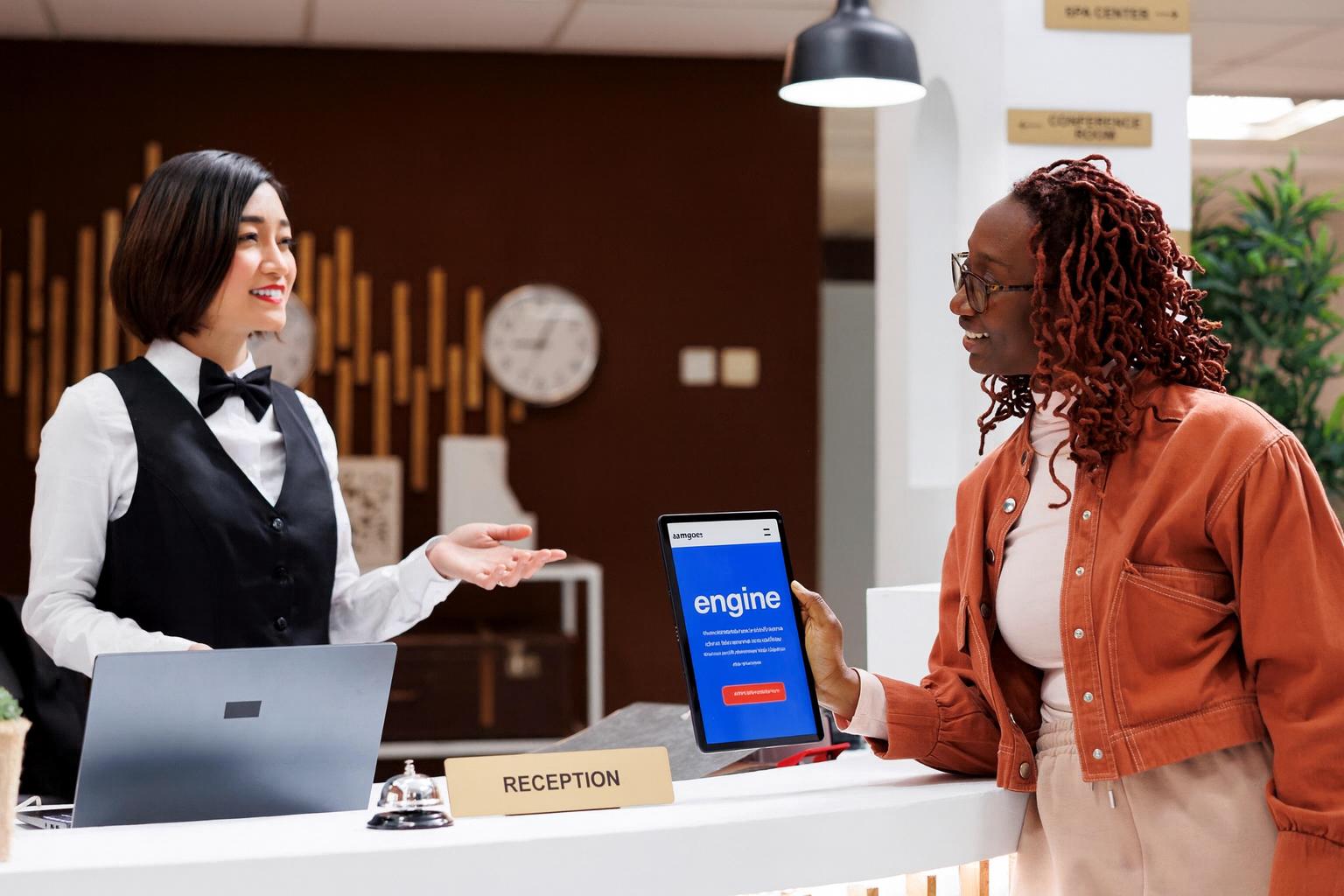
Engine gives your company access to private B2B hotel rates at more than 750,000 hotels worldwide, along with flights and rental cars on one simple platform. Track every stay by project, job number, or cost center, and replace messy spreadsheets and missing receipts with clean monthly invoices your finance team will love. Crews can check in without credit cards using Direct Bill while Flex protection helps you avoid costly change and cancellation fees when plans shift. It is 100% free to join and use, with a valid work email required.

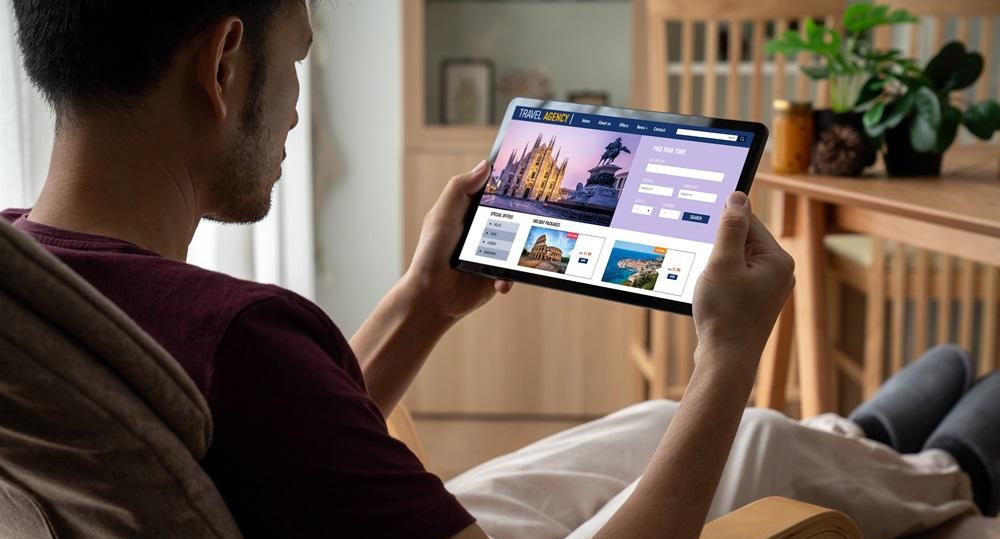
Business travel asks a lot from a hotel. It has to be a place to sleep, of course, but it also becomes a temporary office, a safe base in an unfamiliar city, and a spot where travelers try to keep some kind of normal routine going between meetings and long days on site. When that goes well, trips feel smooth and productive. When it goes badly, you get missed calls, late arrivals, and frustrated employees.
Choosing the right property is not only about price or brand. Location, room setup, food options, and transportation all affect how much real work your team can get done. The more you send people on the road, the more those details add up in time, cost, and morale.
This guide walks through what to look for in business hotels, how to compare different properties, and how loyalty programs and booking tools can support frequent travelers without getting in the way.
Why finding a great business hotel is important
When teams travel, the hotel touches almost everything about the trip. It influences:
- How long it takes to get to job sites and meetings
- Whether travelers can actually get focused work done at night
- How safe and comfortable they feel in the area
- How easy it is to stick to budgets and per diem policies
A good business hotel supports the trip. It keeps commutes short, offers a reliable workspace, makes meals straightforward, and removes surprises from the bill. A poor fit does the opposite. It creates friction that shows up as wasted time, extra transportation costs, and travelers who come home more exhausted than they need to be.
Key hotel qualities and amenities to look for
Once you know why the choice matters, it helps to break things down into a simple checklist. The sections below cover the biggest factors that separate a business ready hotel from a place that is better suited to vacation travel.

1. Location and the daily commute
Location is usually the single most important factor for business trips. Every extra minute spent fighting traffic or navigating unfamiliar transit is time not spent on actual work.
Start by mapping the places your travelers must be during the trip:
- Project sites
- Customer offices or job trailers
- Conference centers or arenas
- Hospitals, campuses, or industrial parks
Then work backward to the hotel, instead of picking a property first and hoping the commute will work out.
What to look for in a business friendly location:
- Walking distance or a short rideshare from key sites
- Easy access to major highways or ring roads
- Transit lines, commuter rail, or subway stops nearby
- Neighborhoods that stay active and reasonably safe into the evening
- Pharmacies, convenience stores, and basic retail within reach
Thinking this way helps you avoid booking somewhere just because it is in a well known downtown, when the real work happens in a different part of town.

2. In room setup for actually getting work done
For many travelers, the guest room is where most of the real work happens. If the space is not set up for that, productivity drops quickly.
Non negotiables for business hotel rooms:
- A real work surface, not just a tiny side table
- A comfortable, adjustable desk chair
- Reliable, fast Wi Fi that does not throttle under normal use
- Plenty of outlets near the bed and desk, with some USB options
- Good task lighting around the desk area
For longer assignments and rotating crews, extended stay style rooms are worth seeking out. Features like full kitchens, larger fridges, and extra storage help people settle into a weekly routine instead of living entirely out of a suitcase.
3. On site amenities that actually matter for business trips
Hotel amenity lists can be long, but only some of those perks really move the needle for business travel. A good business hotel focuses on practicality more than novelty.
High value amenities for business travelers:
- Twenty four hour front desk and reliable late night support
- Early check in or late check out options when schedules are tight
- A secure, well lit property and corridors
- Business center or lobby space with printers and seating
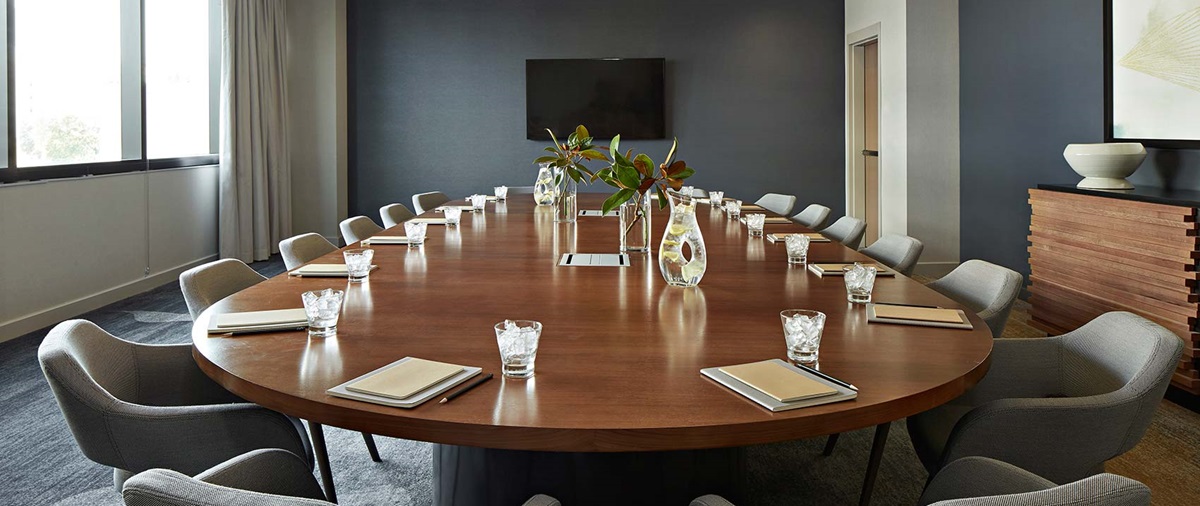
- Meeting rooms or small conference spaces for quick huddles
- Fitness room that opens early and closes late
Laundry is also a major factor on longer stays. Self serve laundry or affordable laundry service keeps uniforms, workwear, and business clothes in rotation without emergency trips to a laundromat.

4. Food options: from grab and go to full kitchens
Everyone has to eat, and business hotels that make food simple will always stand out. Food is about more than comfort. It touches budgets, schedules, and how much time travelers lose to logistics.
Check these food related details before you book:
- On site restaurant, cafe, or bar with reasonable hours
- Complimentary or reasonably priced breakfast
- Convenience market or pantry in the lobby
- Fridge and microwave in every room at minimum
- Suites or extended stay units with full kitchens for longer projects
- Delivery coverage from major food delivery services in that area
If your organization uses per diem policies, hotel choice can have a big impact on whether travelers can stay within those limits. Properties with kitchenettes and nearby affordable options make it easier to keep spending under control without sacrificing decent meals.
5. Transportation and parking
Even with a strong location, your travelers will likely need to move around the city. That might mean rental cars, company vehicles, shuttle services, rideshare, or public transit.
Transportation questions to answer in advance:
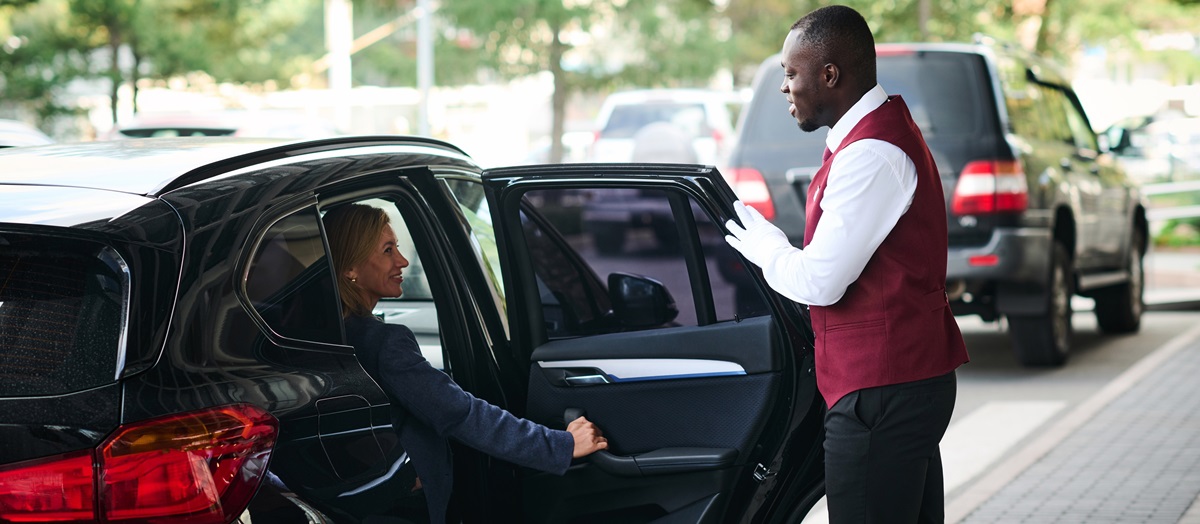
- Does the hotel offer an airport shuttle, and what are the hours and frequency
- How much is parking, and is there space for vans, trucks, or trailers
- Are there nearby transit stops that connect directly to major work sites or venues
- Is the area friendly to walking after dark, or will travelers rely heavily on rideshares
This part is especially important for construction crews and field teams who may arrive with work trucks or specialized vehicles. Some properties can accommodate larger rigs in their lots, while others are designed almost entirely for compact cars and valet only parking.

Business focused hotel brands to know
Once you have a clear sense of what your travelers need, it helps to know which hotel families tend to cater more heavily to business guests. Individual properties will always vary, but some brands consistently emphasize meeting space, connectivity, and work friendly room setups.
The examples below are not exhaustive, but they highlight common choices for business trips in many markets.
These brand notes should not replace research on individual properties. They give you a starting point when you are comparing options in a new city and trying to narrow down a long list of potential hotels.
Rewards programs and booking tools for frequent business travelers
Once you have the fundamentals of a good business hotel covered, rewards programs and booking tools become useful tie breakers. They can help stretch your travel budget, make policy enforcement easier, and give frequent travelers small perks that make time on the road more bearable.
The corporate travel rewards programs covered below are Engine Rewards, Perk, and Navan Rewards.
Corporate travel platforms
Corporate travel platforms sit between your company and the hotel. They aggregate hotel options, apply your policies, and generate reports. Some also include their own reward structures.
When comparing platforms for hotel booking, consider:
- How easy it is for travelers to search, filter, and book on their own
- Whether negotiated or private rates are available alongside public prices
- How well the tool handles approvals, budgets, and per diem limits
- What kind of rewards, if any, are offered to the company or to travelers
Some platforms focus on hotel only bookings. Others cover flights, rental cars, and expenses in the same system. The right choice depends on how complex your travel program is and how much you want to centralize.
Hotel loyalty programs
Hotel loyalty programs add a second layer of benefits on top of whatever your company booking process looks like. For frequent travelers, this can mean upgrades, late checkout, and access to lounges that make working on the road much easier.
Here are some common business focused options and how they tend to stack up:
Marriott Bonvoy
- Strengths: Large global footprint across many price points, from select service to luxury. Elite benefits can include lounge access and late checkout at higher tiers.
- Trade offs: Dynamic award pricing can make point values harder to predict, and popular business hubs can require a lot of points for free nights.
Hilton Honors
- Strengths: Easy paths to status through frequent stays or co branded credit cards, plus flexible daily food and beverage credits at many properties.
- Trade offs: Individual properties have more control over upgrades, so treatment can vary, and point values per night are often lower than some competitors.
World of Hyatt
- Strengths: Highly regarded top tier status with strong benefits such as confirmed suite upgrades and waived resort fees on award stays.
- Trade offs: Smaller overall footprint, which can make it harder to rely on Hyatt alone outside major cities and resort areas.
IHG One Rewards
- Strengths: Solid coverage in secondary and roadside markets through brands like Holiday Inn and Holiday Inn Express, plus milestone benefits as elite members hit night thresholds.
- Trade offs: Top tier benefits are somewhat lighter than some other programs, especially around guaranteed lounge access.
Choice Privileges
- Strengths: Strong value for frequent road trips, especially at midscale and roadside properties that are common along highways and in smaller towns.
- Trade offs: Benefits and property quality can vary widely between locations, and booking windows for award stays are more restrictive than some other programs.
For most companies, it is not realistic to force all travel through a single hotel loyalty program, especially when crews need to stay near specific job sites. Instead, think of loyalty as a useful layer when there are several good hotel options that meet your practical needs.
In the end, the best business hotel is the one that supports the work your travelers came to do. Start with location and daily logistics, make sure rooms and amenities help people stay productive, then use brands, loyalty programs, and booking tools to refine your choices rather than drive them.



.jpg)


.jpg)

.jpg)




.avif)








.avif)

