Traveling for work can be exciting, but it’s smart to remember that not every hotel stay is risk-free. Problems can pop up when you least expect them, from lost luggage to break-ins to hidden fees.
No matter how often you travel, these nine hotel safety tips will help you stay safe, sleep better, and protect your belongings on the road.
1. Choose your hotel wisely
Don’t just book the cheapest room near your meeting—check the hotel’s safety first. Start by using Google Maps Street View to get a feel for the neighborhood. Is it well-lit? Are there nearby restaurants or shops, or does it seem isolated? A quick scan can reveal a lot.
Next, read recent guest reviews on trusted sites. If you see frequent complaints about break-ins, poor lighting, or unsecured access points, consider other options. Prioritize hotels with visible safety features like 24-hour front desk service, security cameras in common areas, well-lit parking and entrances, and digital key cards.
Major hotel brands like Marriott and Hilton often invest in stronger security protocols and have trained staff monitoring activity to give business travelers extra peace of mind.
2. Ask for a specific room
Aim for a room between the third and fifth floors. Lower levels are easier for intruders to access, while rooms above the sixth floor can be harder to evacuate quickly during emergencies.
Choose a room near a stairwell or elevator to ensure multiple exit options. If possible, skip rooms with balconies that are easy to reach from the ground or adjoining spaces.
3. Be discreet when checking in
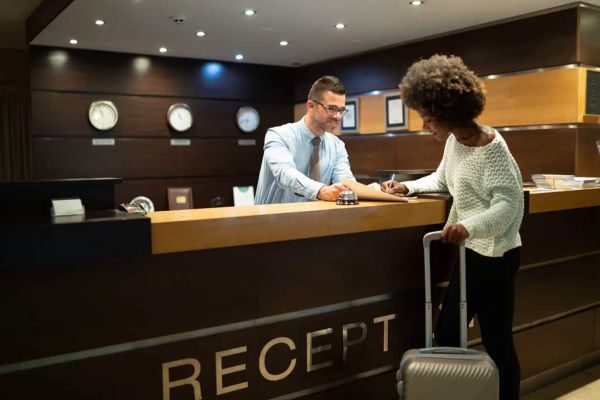
Keep personal details private at the front desk. If possible, ask the hotel staff to write down your room number instead of saying it aloud—especially in a busy lobby. It only takes one person overhearing your room info to target it while you're out at dinner or a meeting.
Also, stay aware of your belongings. Place your bags between your feet while checking in so they can't be grabbed and taken while you're distracted.
If you’re traveling alone, avoid mentioning that fact in casual conversations with strangers in the lobby or bar. Even friendly small talk can give away more than you intend, and sharing that you’re solo makes you more vulnerable to bad actors.
4. Empty your car and park in view
If possible, choose a well-lit parking spot within view of the lobby or your room. Visibility and lighting are key deterrents—thieves tend to avoid areas where they can be easily seen. If the hotel offers valet parking and you trust the property, that can add an extra layer of security.
Pro tip: Most car break-ins happen overnight. Before you check in, remove any valuables or shopping bags from your vehicle. Bring them inside or lock them in the trunk if you can’t carry everything at once.
5. Invest in your own locks
Even at high-quality hotels, extra precautions go a long way. Packing a few simple items can help you feel more secure in your room, like:
- A portable door lock or wedge to block the door from opening
- A rubber doorstop for added reinforcement
- A sticky note or piece of opaque tape to cover the peephole
Always use the room’s deadbolt and latch when inside, even if you’re just showering or taking a quick nap. Many hotel break-ins happen when guests assume it’s safe to leave the door ajar or unlocked. That second barrier helps prevent unauthorized entry, whether it’s someone with a key card or a staff member entering by mistake. It’s a small habit that can do a lot to keep you safe.
6. Be careful when your room is unoccupied
Before leaving your room, take a few easy steps to make it less obvious that you're away. Close the curtains or blinds so passersby can’t spot an empty room or valuables inside. Leave a light on and keep the TV playing at low volume to create the illusion someone’s still there.
Hanging the “Do Not Disturb” sign can also deter unwanted entry from staff (or strangers) while you're out or resting.
7. Protect your data on hotel Wi-Fi
While hotel Wi-Fi is convenient, it’s not always secure. Use a VPN to encrypt your connection and keep your browsing private. It’s a smart layer of protection, especially if you’re handling sensitive work while traveling.
Also, avoid plugging your phone into public USB ports without a data blocker. Some criminals use hidden tools in these ports to steal data or install malware.
8. Make sure it's safe before you open the door
If someone knocks and claims to be hotel staff, don’t open the door right away. Use the peephole and keep the security latch or chain in place while speaking. When in doubt, call the front desk to confirm that someone was actually sent to your room.
9. Check the locking mechanism on the safe
When you arrive, test the in-room safe to ensure the lock works properly and isn’t damaged or loose. If it seems off, request a new key or a different room.
If the safe is secure and large enough, use it to store valuables like your passport, laptop, or extra credit cards while you're out. If it’s too small or you don’t trust it, keep essentials in a zippered bag or backpack with a small lock. For extra peace of mind, consider packing a portable travel safe or lockbox to store inside your luggage.
Stay safe and book smart with Engine
Hotel safety doesn’t have to be complicated. Small choices like picking a better room, packing a door wedge, or booking with a trusted company like Engine make a big difference.
Engine partners with trusted hotels that prioritize traveler safety, with features like 24/7 front desk service, secure access, and well-lit surroundings. Whether you’re travelling solo or managing a team, you can rest easy and focus on your trip—not what’s happening outside your door.
Ready to travel with peace of mind? Explore Engine’s hotel booking tools and see how easy safe business travel can be.
FAQs
What hotel safety gadgets should you pack?
A few compact safety gadgets can give you added peace of mind while traveling for work. A portable door lock or wedge blocks the door from opening, even if someone has a key card. A small personal alarm can alert others quickly if you feel unsafe. A USB data blocker protects your phone from hackers when using public charging stations, and RFID-blocking wallets help shield credit cards and hotel keys from digital theft. These tools take up little space but offer a lot of protection.
Why do people place a towel under a hotel room door?
Pushing a rolled towel against the bottom of your hotel room door is a common safety habit, especially for solo travelers. It blocks hallway light, adds a bit of sound insulation, and can help slow smoke in the rare event of a fire. It’s a simple, no-cost trick that makes your room feel more private, secure, and comfortable.
Why should you choose a reputable hotel?
Staying at a well-known brand or highly rated property can improve both comfort and safety. Trusted hotel chains often invest in trained staff, secure entry systems, surveillance cameras, and clear emergency protocols. For instance, brands like Hilton and Hyatt typically have 24/7 front desk service and well-lit facilities. Budget motels or poorly reviewed properties may not meet the same safety standards. Spending a bit more on a trusted hotel often means fewer risks and more peace of mind.