Trump Administration Proposal Would Require Five Years of Social Media History, Emails, Phone Numbers, and More for Visa Waiver Travelers

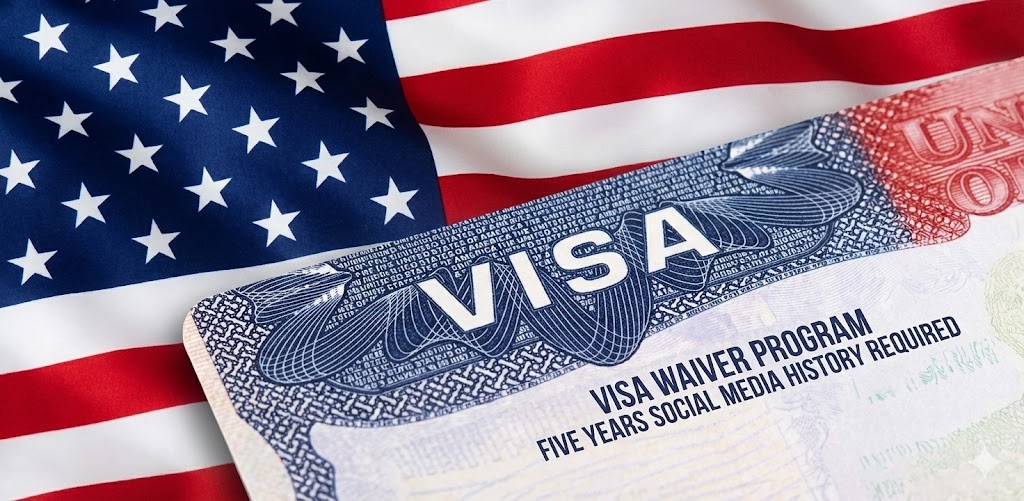
WASHINGTON - The Trump administration is moving to expand the information it collects from travelers who enter the United States without a traditional visa, proposing a rule that would require Visa Waiver Program travelers to disclose five years of social media identifiers, among other information, when applying for travel authorization through ESTA.
The proposal would turn a long optional question on the ESTA application into a mandatory field and add additional data points, including telephone numbers used in the last five years, email addresses used in the last 10 years, and biographical details about immediate family members such as parents, spouses, siblings, and children. The notice also references IP address and photo related metadata tied to electronically submitted images.
What CBP is proposing
The change was published as a federal notice in early December 2025, opening a 60 day public comment period. If finalized, the new requirements would be built into the ESTA process so screening can occur before travelers board flights.
In addition to social media identifiers, the proposal expands the list of data elements CBP wants to collect, including:
- Phone numbers used in the past five years
- Email addresses used in the past 10 years
- Immediate family biographical information, including names, dates of birth, and places of birth
- IP address and electronically submitted photo metadata
CBP frames the expansion as part of strengthened vetting designed to identify security threats earlier in the travel process.
Who would be affected
The proposed ESTA change targets travelers from the 42 countries in the Visa Waiver Program. That includes many major US allies such as the United Kingdom, France, Germany, Japan, Australia, South Korea, Italy, and New Zealand. VWP travelers typically enter the US for stays of up to 90 days after receiving ESTA authorization.
This proposal is narrower than broader visa vetting policies because it focuses on visa free entry, rather than on travelers applying for standard visas through US consulates.
Additional changes mentioned in the notice
The same notice describes process changes that could affect how applicants complete ESTA. It references requiring applicants to provide a photograph of their face as part of an application submission. It also discusses a shift toward the ESTA mobile application for submitting new applications, with the website positioned more for information and status checks.
Why this is controversial
Civil liberties groups and privacy advocates argue that requiring years of social media identifiers and additional personal data could chill speech and encourage self censorship among travelers who worry that lawful opinions, jokes, or political criticism could be misread during screening.
Travel industry groups have also warned that tighter screening and added friction could discourage international visitors, especially ahead of major global events scheduled in the United States, including the 2026 FIFA World Cup and the 2028 Los Angeles Olympics.
What happens next
The proposal is not final. The government is collecting public feedback during the comment period, after which the rule can be revised and then moved forward through additional federal review steps before any implementation.
Key dates:
- Early December 2025: notice published and public comment period opened
- February 2026: comment period expected to close
- Mid to late 2026: potential implementation window if finalized
Timeline, how US social media vetting expanded
- 2016: social media identifiers added to ESTA as an optional question
- 2019: most visa applicants required to list social media usernames used in the prior five years
- January 2025: renewed focus on intensified screening and vetting policies
- December 2025: proposal published to make five years of social media identifiers mandatory for ESTA, along with expanded personal data collection
If the proposal is finalized, it would mark one of the most significant expansions of data collection for visa free visitors since the Visa Waiver Program adopted ESTA, shifting more screening and scrutiny into the pre-travel approval stage.